
What is young-onset dementia?
Dementia is a group of symptoms that show your brain isn’t working as it should. It is caused by diseases that damage your brain. It is not a normal part of getting older.
Dementia is progressive, meaning it gets worse over time.
‘Young-onset dementia’ is the name for dementia that appears before the person is 65.
Who does young-onset dementia affect?
Anyone can develop young-onset dementia, but some groups are at greater risk.
People with a
learning disability
A learning disability is to do with the way someone's brain works. It makes it harder for someone to learn, understand or do things.
are more likely to develop young-onset dementia, especially those with
Down syndrome
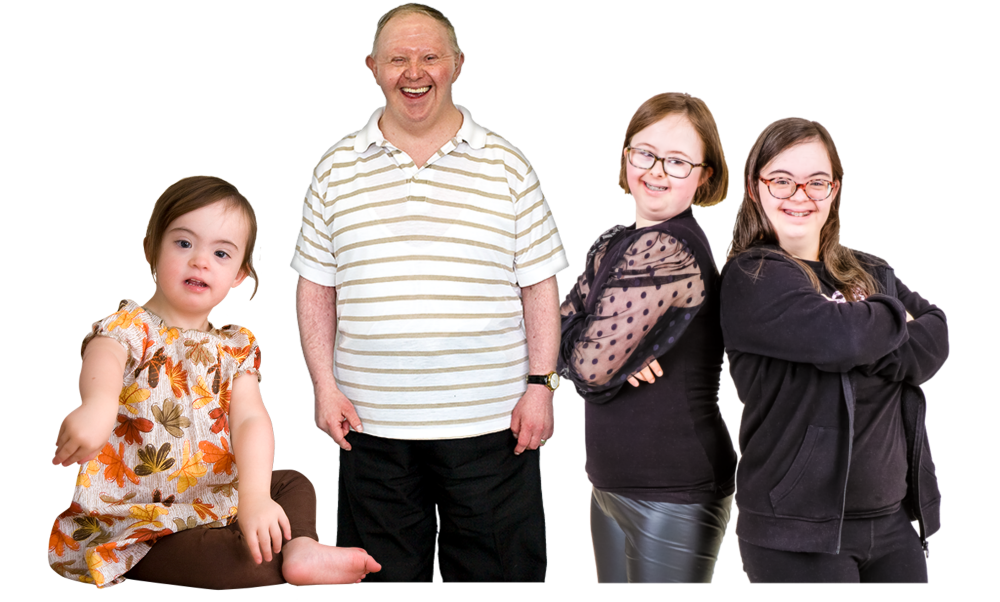 Down syndrome, also known as Down's syndrome, is a type of disability. People with Down syndrome may find it hard to learn new things and may need support. They may have more problems with their health too.
.
How does young-onset dementia affect people?
Young-onset dementia affects everybody differently. The symptoms somebody has will depend on the areas of the brain affected.
Memory issues are a common symptom of young-onset dementia, but it is not always the first sign of the condition.
Early symptoms can include:
- Sudden behaviour or personality changes
- Worsening speech and language difficulties
- Vision, movement, and coordination problems
- Increased difficulty in planning and making decisions
- Memory issues.
For people with a learning disability, it can be difficult to recognise the symptoms of young-onset dementia due to something called diagnostic overshadowing.
Diagnostic overshadowing is when the symptoms a person has from one condition cover up the symptoms of a second condition. For example, the condition that causes someone’s learning disability might make it harder to tell that they have developed difficulties planning and making decisions.
It is important that supporters of people with a learning disability pay attention to any changes in that person’s behaviour, routines, and communication.
Diagnosis of young-onset dementia
There is no cure for dementia, but a diagnosis A diagnosis is when a medical professional like a doctor has said you have a certain illness or condition. can help someone to access the proper support.
If you are worried that you, a loved one, or someone you support has young-onset dementia, speak to a GP first. The GP can rule out if there is anything other than dementia that could be causing the symptoms. They can then refer the person to a specialist service A service gives people what they need, like healthcare services that help people when they are ill, and support services that give people support. for further testing.
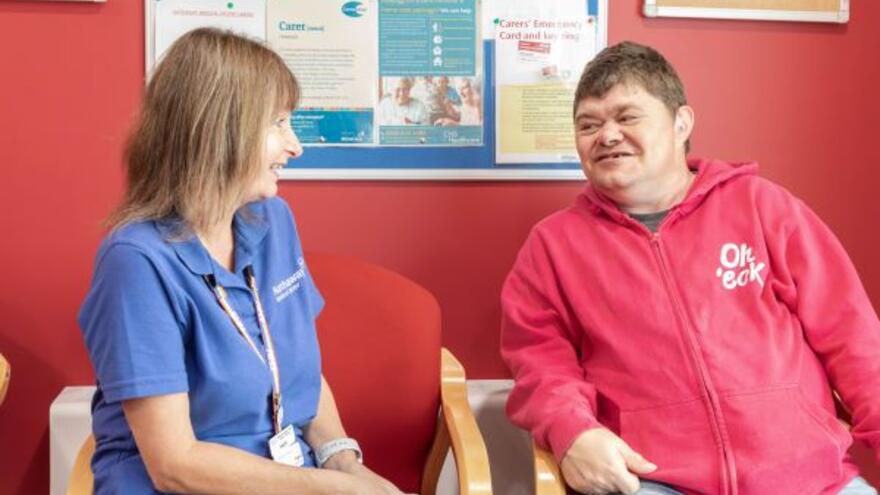
If you are the supporter or loved one of someone with a learning disability, you may be asked to answer some questions about the person’s normal behaviour. This is to help the GP or specialist determine if some behaviours the person is showing are related to their learning disability, or if they could be a symptom of young-onset dementia.
People with Down syndrome should have a baseline
assessment
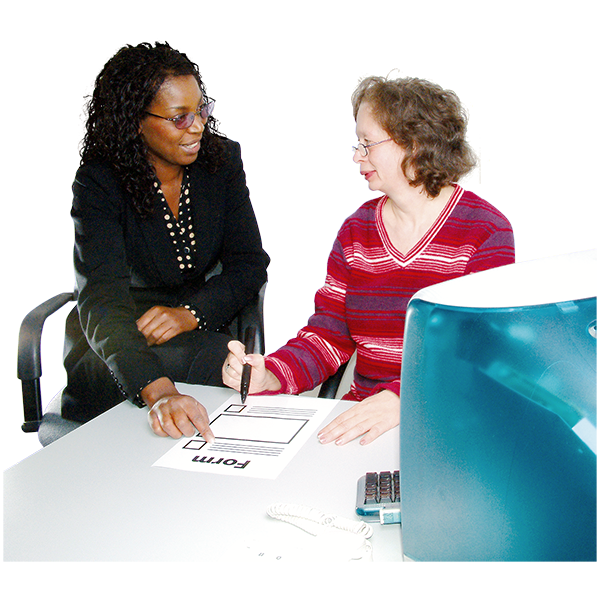 An assessment is a way of finding out what help a person needs. When you have an assessment, you might have to go to a meeting or fill in a form.
once they are 30. This assessment records their skills and abilities, making it easier to detect young-onset dementia if it happens later on. This can be done by asking your GP specifically for a “baseline dementia assessment”. Your GP can then refer you to a specialist or appropriate service who can carry out the assessment.
Help and support for living with young-onset dementia
With proper support systems in place, people with young-onset dementia can live high quality lives where they have autonomy and choice.
Support for someone with young-onset dementia might involve:
- Regular health-checks and care reviews
- Consistent routines, familiar people and surroundings
- Personal support to complete day-to-do tasks
- Accessibility Accessibility is about making it easier for someone to join in, get, use or do something. and safety modifications to their home.
These are just some examples, a proper care plan should be put together by the individual’s specialist care provider after they have been diagnosed. This plan will be tailored to fit the person’s individual needs.
For more advice and information around young-onset dementia, visit Alzheimer’s Society.
For general advice for living with a learning disability, you can contact the Learning Disability Helpline to chat to one of our friendly and informed advisors.
Information about young-onset dementia
Young-onset dementia is less common than dementia in people over the age of 65.
Around 70,000 people in the UK are estimated to be living with young-onset dementia.
No, Alzheimer’s disease is the name of one type of dementia. Young-onset dementia is just the name for any type of dementia that happens before the person is 65.
Young-onset dementia can be any of the types of dementia, including Alzheimer’s disease.
Most cases of young-onset dementia are not inherited.
However, there can be a genetic component to dementia, and to young-onset dementia especially. If you have a family history of dementia it might be worth browsing the Alzheimer’s Society pages on genetic testing.
Care. Community. Campaign
Support to live life to the full.
This is learning disability.
More conditions linked with Learning Disability
Get help and advice online with Mencap
Whether you're a parent, healthcare professional, or someone with a learning disability, we've created a tool that offers clear explanations, helpful resources, and easy read Easy Read is a way of making written information easier to understand. Pictures are usually added next to the writing. resources to guide you towards the information you need.

Thank you to the National Lottery Community Fund for their generous grant, funding this work.
Many thanks to Alzheimer’s Society for their support with the information displayed on this page.
Page sources:
- Dementia UK, What is young onset dementia? https://www.dementiauk.org/information-and-support/young-onset-dementia/
- NHS The NHS is the National Health Service. The NHS gives free healthcare to everyone in the UK and includes things like your GP (doctors) surgery and hospitals. , How to get a dementia diagnosis: https://www.nhs.uk/conditions/dementia/symptoms-and-diagnosis/diagnosis/
- Alzheimer’s Society, Young-onset dementia: https://www.alzheimers.org.uk/about-dementia/types-dementia/young-onset-dementia
- Alzheimer’s Society, Learning disabilities and dementia: https://www.alzheimers.org.uk/about-dementia/types-dementia/learning-disabilities-dementia
- Gov.uk, Dementia and people with learning disabilities: making reasonable adjustments – guidance Guidance means being given clear instructions to be able to do something well. : https://www.gov.uk/government/publications/people-with-dementia-and-learning-disabilities-reasonable-adjustments/dementia-and-people-with-learning-disabilities