
Young-onset dementia
Young-onset dementia
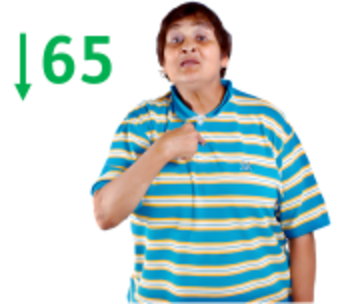
What is young-onset dementia?
Young-onset dementia is when a person starts to have dementia before they are 65 years old.
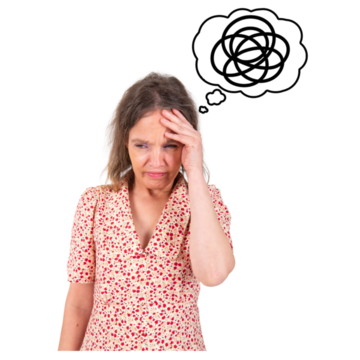
Dementia is when you do things which show that your brain is not working like it should.
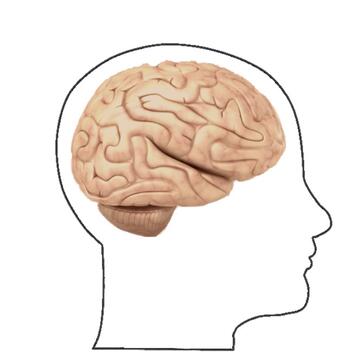
Dementia happens when diseases harm your brain and stop it working like it should.
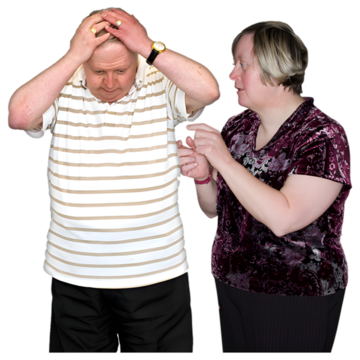
Dementia gets worse the longer you have it.
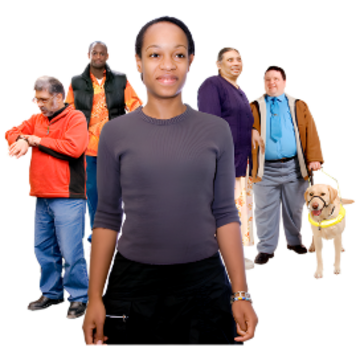
Young-onset dementia and learning disability
Anyone can have young-onset dementia.

If you have a learning disability A learning disability is to do with the way someone's brain works. It makes it harder for someone to learn, understand or do things. you are more likely to have young-onset dementia than people without a learning disability.
If you have
Down syndrome
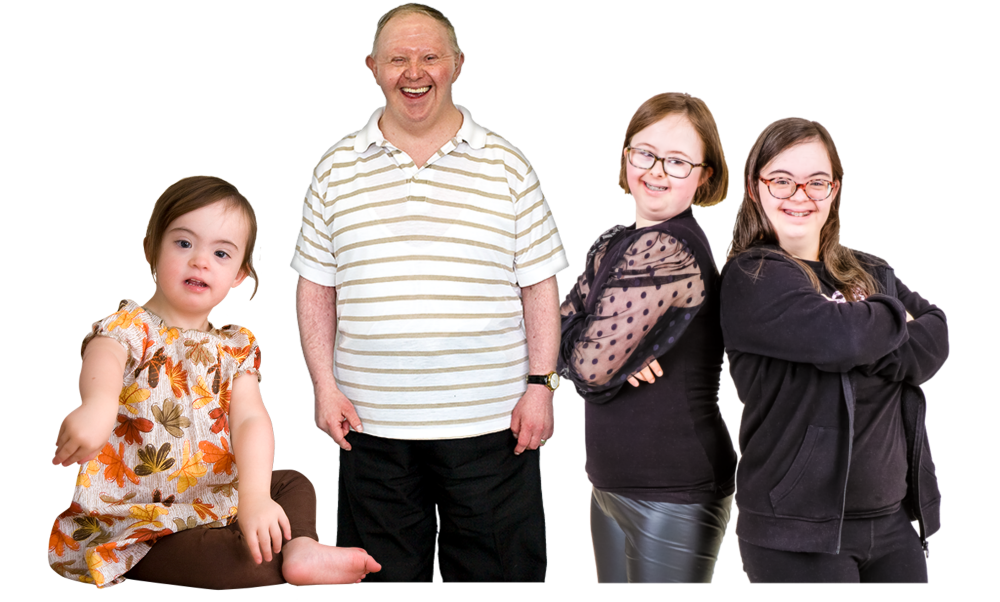 Down syndrome, also known as Down's syndrome, is a type of disability. People with Down syndrome may find it hard to learn new things and may need support. They may have more problems with their health too.
you are more likely to have young-onset dementia.
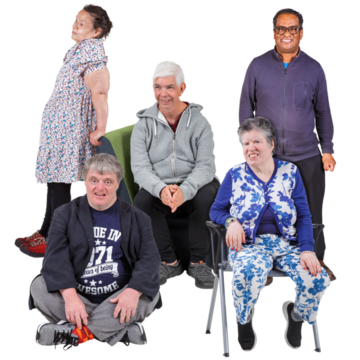
How do I know if I have young-onset dementia?
Everyone with young-onset dementia is different.
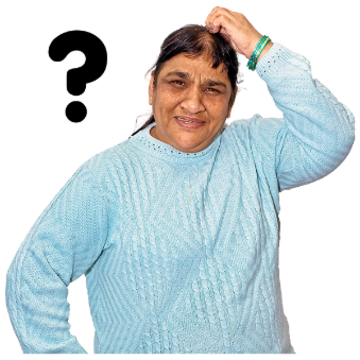
Someone might have young-onset dementia if they start to:
- behave differently
- find it more difficult to talk or understand things
- find it more difficult to see, move or use their hands or legs
- find it more difficult to plan or decide things
- find it more difficult to remember things.
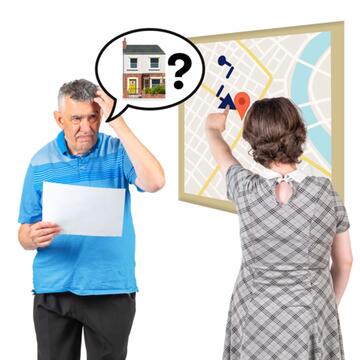
If someone has a learning disability it might be hard to tell if they are finding it more difficult to do things like planning or remembering.
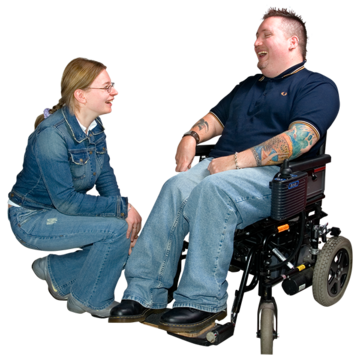
If you support someone with a learning disability, it is important to look for any changes to how they behave or talk.
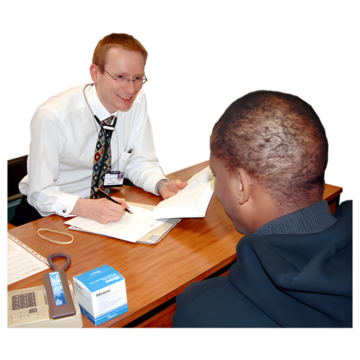
Help
If you think you might have young-onset dementia, talk to your doctor.
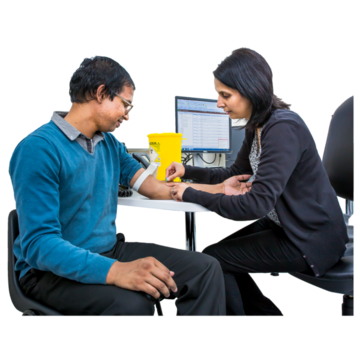
The doctor will find out if something else is making you behave differently.
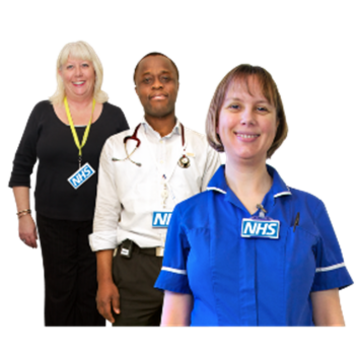
If the doctor does not find anything making you behave differently, they can refer you to a special service A service gives people what they need, like healthcare services that help people when they are ill, and support services that give people support. for more tests.

If you have Down syndrome you should have a baseline
assessment
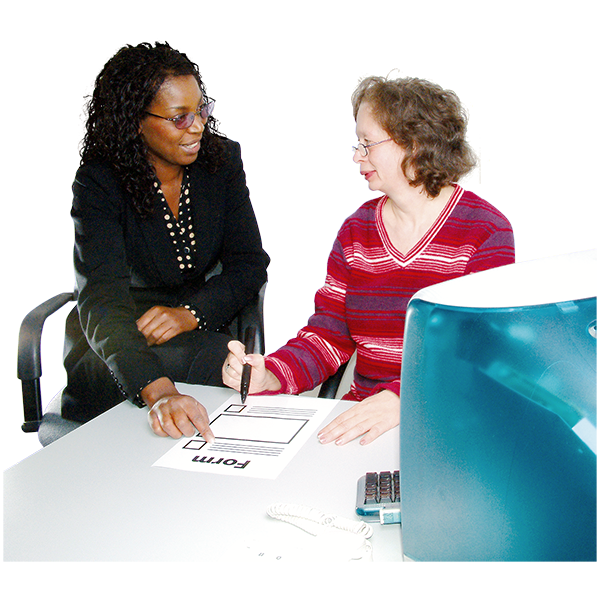 An assessment is a way of finding out what help a person needs. When you have an assessment, you might have to go to a meeting or fill in a form.
when you are 30 years old.
A baseline assessment tests how easy or difficult it is for you to do things.
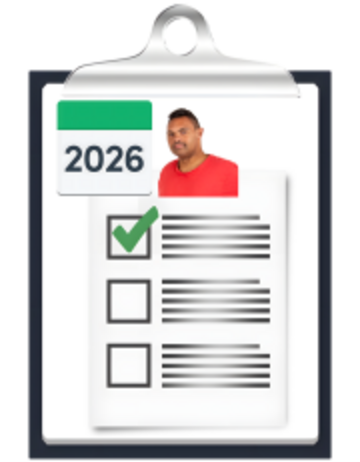
In the future, people can look at the baseline assessment to see if you are finding it more difficult to do the same things.
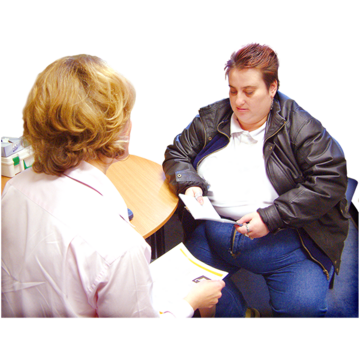
This will help them to see if you might have young-onset dementia.
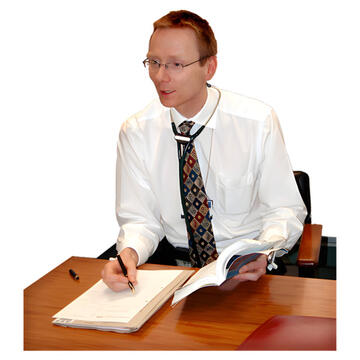
Ask your doctor for a baseline dementia assessment. They might refer you to someone else to do the assessment.
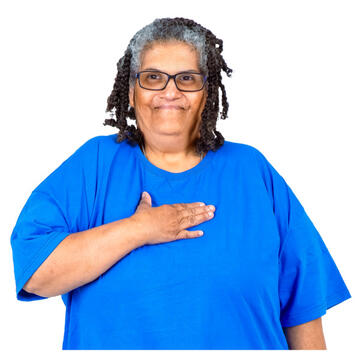
People with young-onset dementia can make choices if they have the right support.
The Alzheimer's Society has information and support about young-onset dementia.
You can contact the Learning Disability Helpline for information and support about living with a learning disability:
- email [email protected]
- phone 0808 808 1111.
Thank you to the National Lottery Community Fund for their generous grant, funding this work.

First created 14/07/2026
Last updated 14/07/2026