
Rights of people with a learning disability
People with a
learning disability
A learning disability is to do with the way someone's brain works. It makes it harder for someone to learn, understand or do things.
in the UK have the same
human rights
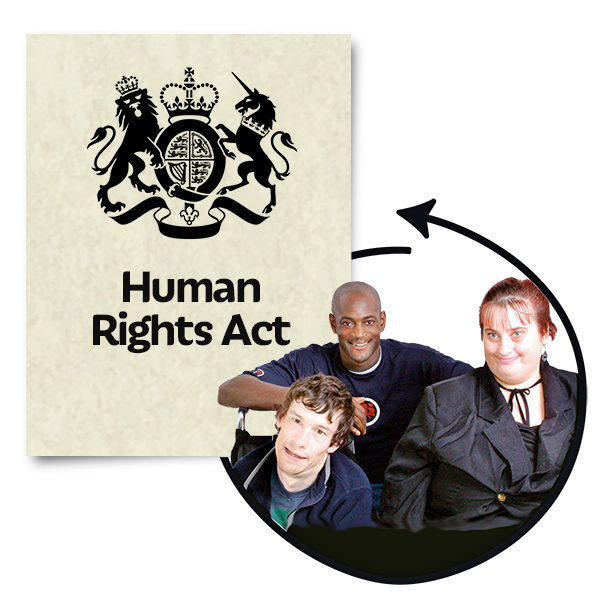 Human rights are the rights that everyone has. These include the right to go to school and the right to start a family.
as everyone else, protected by the Human Rights Act 1998 and the Equality Act 2010, which include fair treatment,
dignity
Dignity means you treat yourself and others well and with respect.
, and
equality
Human rights are the rights that everyone has. These include the right to go to school and the right to start a family.
as everyone else, protected by the Human Rights Act 1998 and the Equality Act 2010, which include fair treatment,
dignity
Dignity means you treat yourself and others well and with respect.
, and
equality
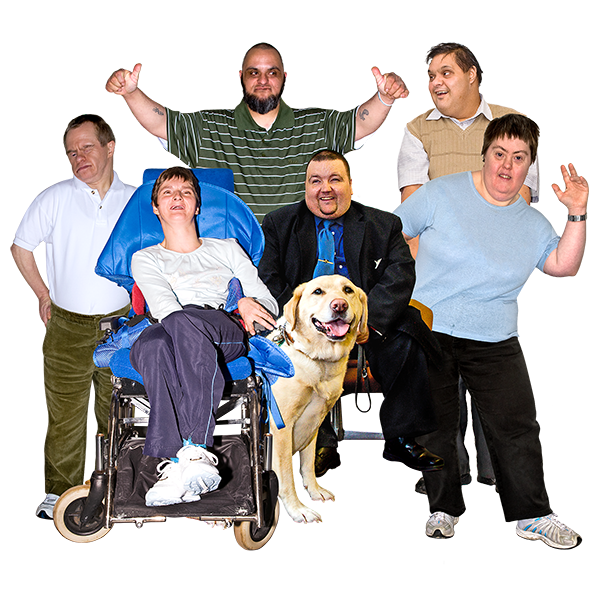 Equality is when everyone is treated fairly.
in healthcare,
education
Education is when you learn things. When you fill in a form to get a job, education means you write where you went to school, college or university.
, work, and
community
A community is the people and places in an area.
life.
Equality is when everyone is treated fairly.
in healthcare,
education
Education is when you learn things. When you fill in a form to get a job, education means you write where you went to school, college or university.
, work, and
community
A community is the people and places in an area.
life.
Some of the key
rights
Rights are the things everyone should be allowed to do like have a say, or go to school.
include accessing reasonable adjustments to services, and receiving protection against
discrimination
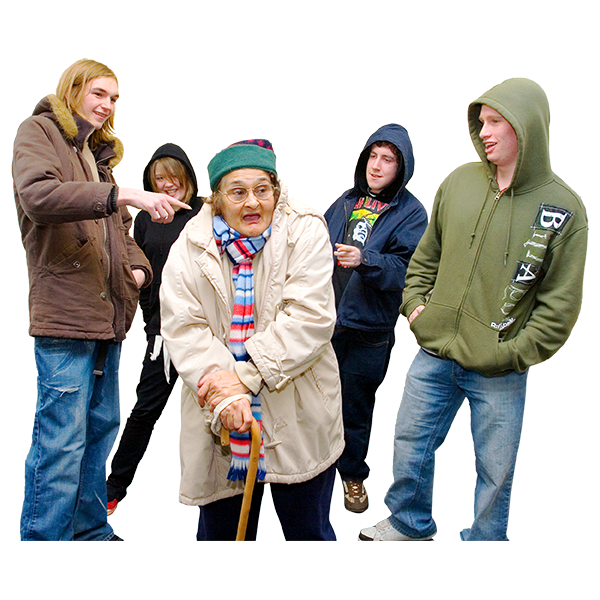 Discrimination is when someone is treated differently (usually in a bad way) because of things like their disability or their religion.
and
abuse
Abuse is when someone bullies you and does or says something to you that makes you feel hurt, upset or scared.
.
Discrimination is when someone is treated differently (usually in a bad way) because of things like their disability or their religion.
and
abuse
Abuse is when someone bullies you and does or says something to you that makes you feel hurt, upset or scared.
.
Know your rights to receive social care
We have produced a series of 'Know your rights' downloadable guides that will help ensure your rights to receive
social care
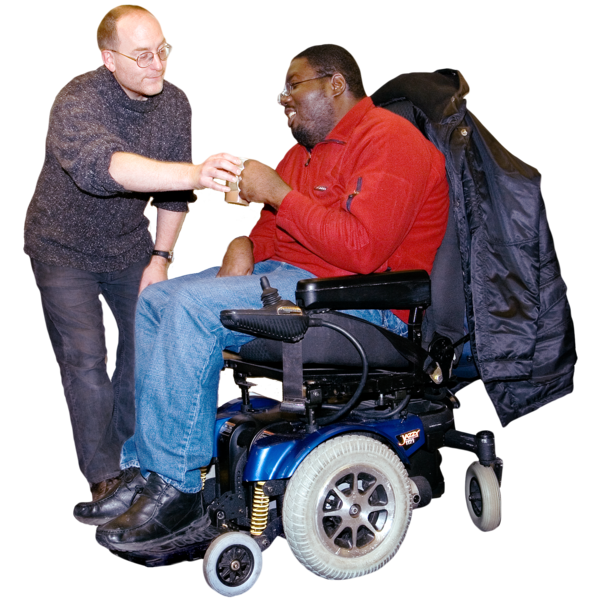 Social care means the services that give care and support to people who need it.
are protected.
Social care means the services that give care and support to people who need it.
are protected.
Your rights to support with transport
There are many ways that people with a learning disability can get the right support when travelling on trains, buses, taxis and through airports.

Your child's rights in education
It's important to get the education your child deserves - we've highlighted the key educational rights of children and young people with a learning disability.

More information about your rights
 Ismail Kaji
 By Mencap
How to join the learning disability register
You need to ask your doctor to add you to their
learning disability register
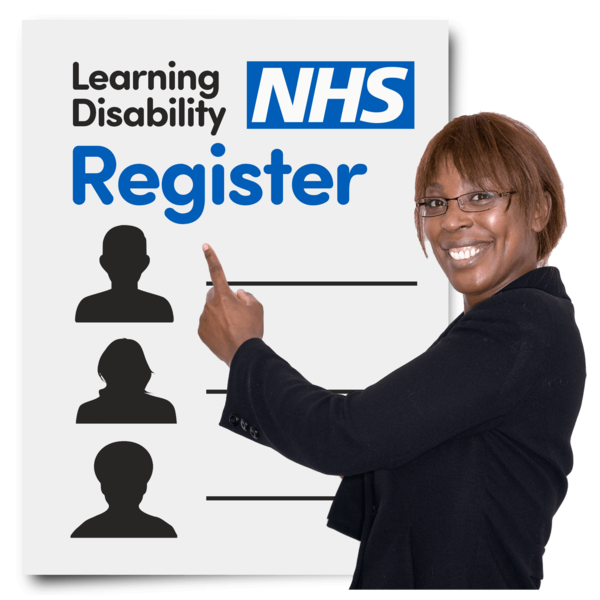 The learning disability register is a list of people with a learning disability that the doctor’s surgery looks after.
.
The learning disability register is a list of people with a learning disability that the doctor’s surgery looks after.
.
To help you do this we've created a tool that builds a letter for you to send to your doctor.
Questions and answers
Protocol 1, Article 2 of the Human Rights Act, Article 28 of the UN Convention on the Rights of the Child, and Article 24 of the UN Convention on the Rights of Persons with Disabilities all state the right of disabled people to receive an education.
Young people, with or without a learning disability, must now be in education or training until at least the age of 16. In England, they must then do one of the following until they are 18:
- stay in full-time education, e.g. at a college
- start an apprenticeship or traineeship
- work or
volunteer
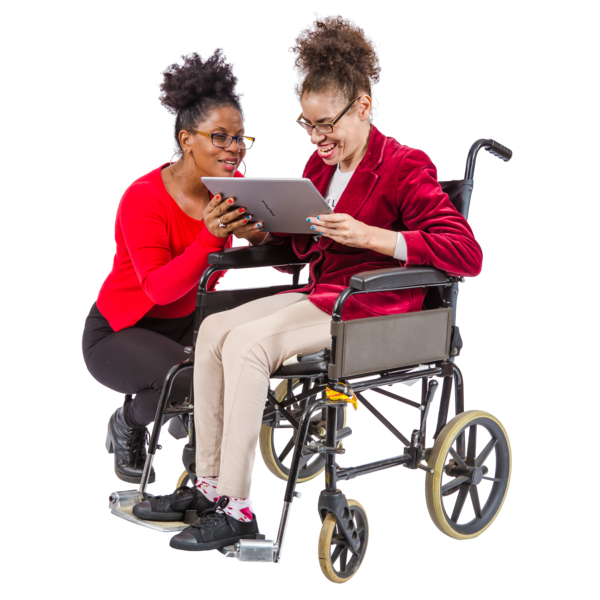 A volunteer is someone who helps out by doing work for free.
(for 20 hours or more a week) while in part-time education or training.
A volunteer is someone who helps out by doing work for free.
(for 20 hours or more a week) while in part-time education or training.
Challenging behaviour
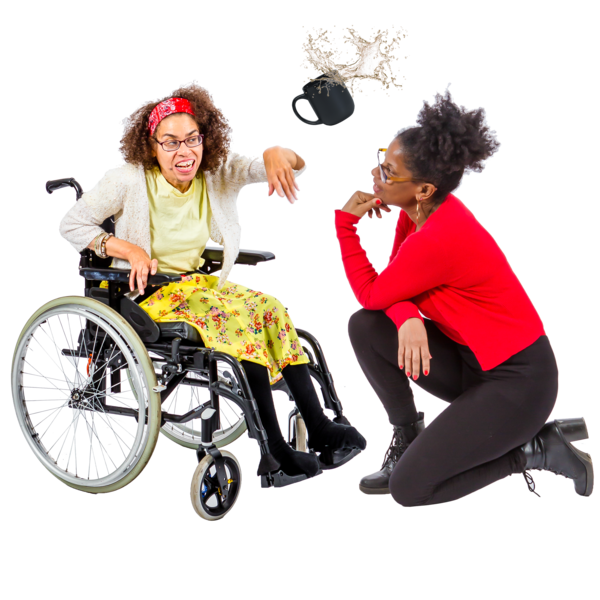 Challenging behaviour can be when someone hurts themselves, hits or pinches someone else, or breaks something. Some people might behave like this because they are upset or because people do not understand them.
describes behaviour that is challenging to parents, carers, teachers and other professionals.
Challenging behaviour can be when someone hurts themselves, hits or pinches someone else, or breaks something. Some people might behave like this because they are upset or because people do not understand them.
describes behaviour that is challenging to parents, carers, teachers and other professionals.
Challenging behaviour can include tantrums, hitting or kicking other people, throwing things or self-harming.
Hate crime
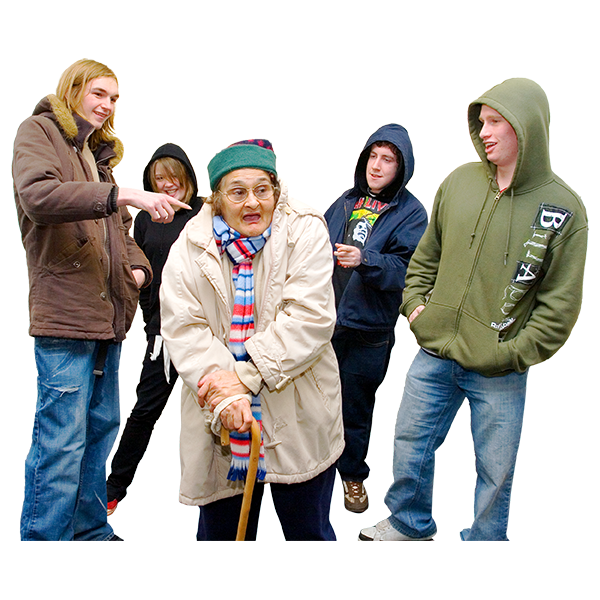 A hate crime is when someone is hurt or bullied because of things like: their disability or their religion.
is when someone does something to hurt someone because of who they are - such as because of their race,
sexuality
Sexuality is how you feel about yourself and your body. It is about finding out and knowing what feels right for you.
or disability.
A hate crime is when someone is hurt or bullied because of things like: their disability or their religion.
is when someone does something to hurt someone because of who they are - such as because of their race,
sexuality
Sexuality is how you feel about yourself and your body. It is about finding out and knowing what feels right for you.
or disability.
We want to see a future where no person with a learning disability is a victim of hate
crime
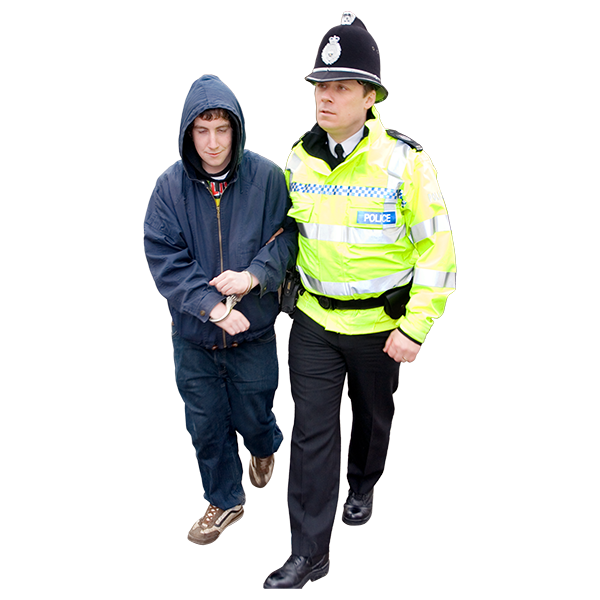 A crime is when someone does something wrong and breaks the law.
. This is why our Hear my voice
campaign
A campaign is when people work together to try to change something.
calls for everyone to be fully included in society and to live their lives free from fear.
A crime is when someone does something wrong and breaks the law.
. This is why our Hear my voice
campaign
A campaign is when people work together to try to change something.
calls for everyone to be fully included in society and to live their lives free from fear.
Having lasting powers of attorney allow you to make decisions for someone else if they lose the
mental capacity
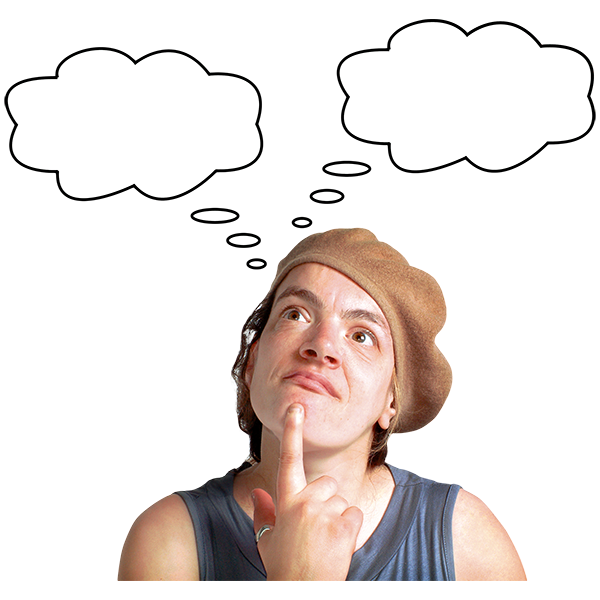 Mental capacity means being able to make a decision when it needs to be made.
to make those decisions themselves.
Mental capacity means being able to make a decision when it needs to be made.
to make those decisions themselves.
To have capacity to make a particular decision at a given time a person must be able to:
- understand the information relevant to the decision, including the consequences of making or not making the decision
- retain that information long enough to make the decision
- use or weigh the information as part of the decision making process
- communicate the decision in any recognisable way.
Failing any one of the above means the person lacks the capacity to make this decision on this occasion.
Reasonable adjustments are small changes that can help people with a learning disability to be treated equally.
Under the Equality Act 2010, all disabled people have the right to reasonable adjustments when using public services, including healthcare. These adjustments remove barriers that disabled people would otherwise face in accessing these services.
The
Accessible
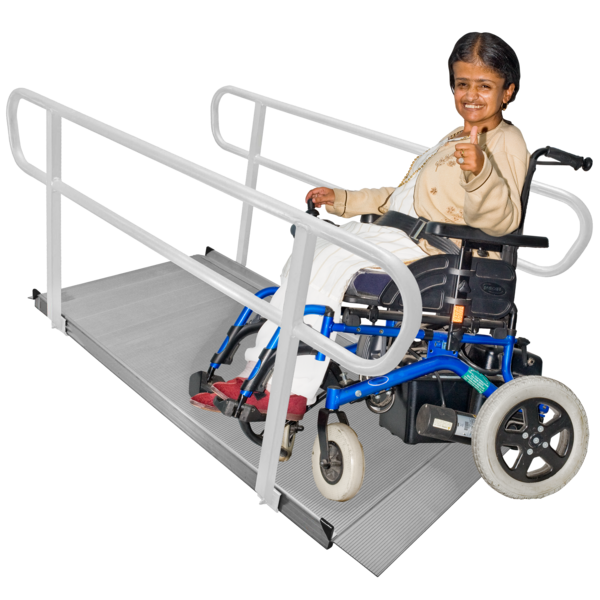 Accessible means something is easy for people to use or join in with. For example: Accessible writing means the writing is easy to read and understand.
Information Standard is a
law
Accessible means something is easy for people to use or join in with. For example: Accessible writing means the writing is easy to read and understand.
Information Standard is a
law
 Laws are the rules that everyone in the country has to follow. If you don't follow the rules you can get in trouble with the police.
which aims to make sure people with a disability or sensory loss are given information they can understand, and the communication support they need.
Laws are the rules that everyone in the country has to follow. If you don't follow the rules you can get in trouble with the police.
which aims to make sure people with a disability or sensory loss are given information they can understand, and the communication support they need.
The ‘Mental Capacity Act’ is an important law for people with a learning disability.
It helps make sure that people who may lack capacity to make decisions on their own get the support they need to make those decisions.
The Equality Act says all people should be treated equally in places like schools and hospitals.
It protects people from discrimination by stating changes should be made for disabled people to make sure they are treated equally.
The Care Act 2014 is the law covering social care (care and support), bringing together many existing laws and creating some new important rights.
It tells local councils across England what they need to do if someone needs social care support.
Your council should help you if you don't have a place to live. They should also help you if you cannot stay in your home because:
- you are being abused or hurt there
- you do not have enough money to live there
- your
landlord
 A landlord is the owner of a property which they rent out to tenants. They can be a council, a housing association, or an individual person.
gave you a letter that said you must leave your home.
A landlord is the owner of a property which they rent out to tenants. They can be a council, a housing association, or an individual person.
gave you a letter that said you must leave your home.
But sometimes your council might say that they can't help you - this is wrong.
The Learning Disability Helpline
Our free helpline service offers advice and support for people with a learning disability, and their families and carers.