
Every child and young person with a learning disability A learning disability is to do with the way someone's brain works. It makes it harder for someone to learn, understand or do things. has the right to an education Education is when you learn things. When you fill in a form to get a job, education means you write where you went to school, college or university. .
All children have education
rights
Rights are the things everyone should be allowed to do like have a say, or go to school.
including inclusion in mainstream education, extra support, and protection from
discrimination
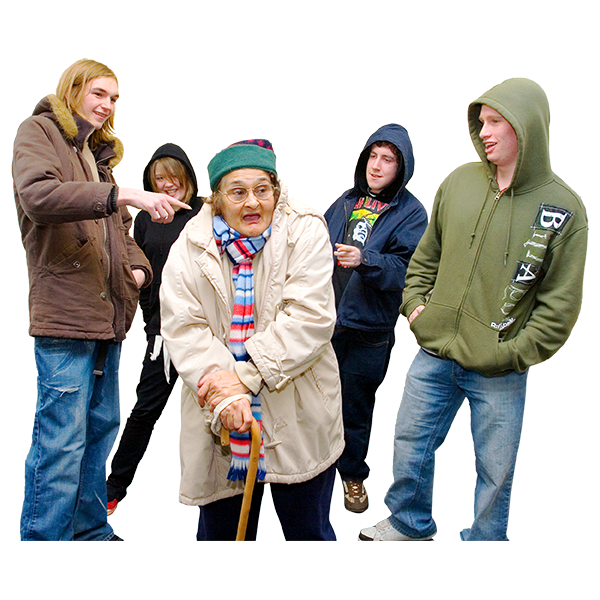 Discrimination is when someone is treated differently (usually in a bad way) because of things like their disability or their religion.
.
Discrimination is when someone is treated differently (usually in a bad way) because of things like their disability or their religion.
.
Right to education
It wasn’t until 1970 that disabled children – previously classed as being unable to be educated – were given a right to participate in education.
However, the
law
 Laws are the rules that everyone in the country has to follow. If you don't follow the rules you can get in trouble with the police.
has changed substantially since then: Protocol 1, Article 2 of the Human Rights Act, Article 28 of the UN Convention on the Rights of the Child, and Article 24 of the UN Convention on the Rights of Persons with Disabilities all state the right of disabled people to receive an education.
Laws are the rules that everyone in the country has to follow. If you don't follow the rules you can get in trouble with the police.
has changed substantially since then: Protocol 1, Article 2 of the Human Rights Act, Article 28 of the UN Convention on the Rights of the Child, and Article 24 of the UN Convention on the Rights of Persons with Disabilities all state the right of disabled people to receive an education.
Young people must be in education until at least 16 years old
Young people, with or without a learning disability, must now be in education or training until at least the age of 16. In England, they must then do one of the following until they are 18:
- stay in full-time education, e.g. at a college
- start an apprenticeship or traineeship
- work or
volunteer
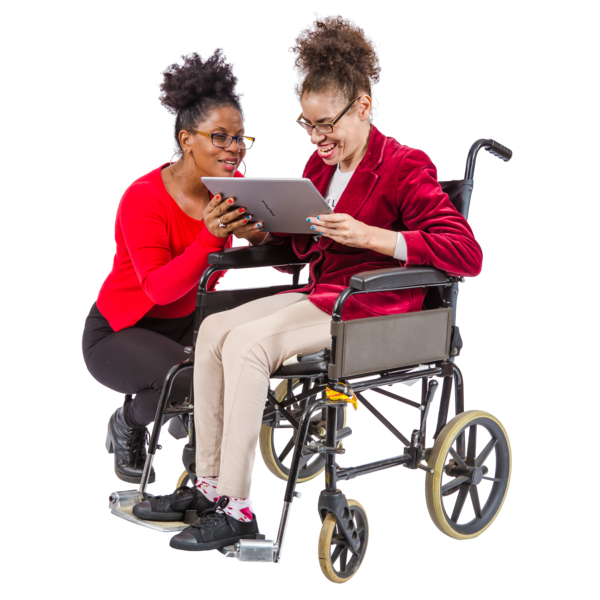 A volunteer is someone who helps out by doing work for free.
(for 20 hours or more a week) while in part-time education or training.
A volunteer is someone who helps out by doing work for free.
(for 20 hours or more a week) while in part-time education or training.
Involving children, young people and families
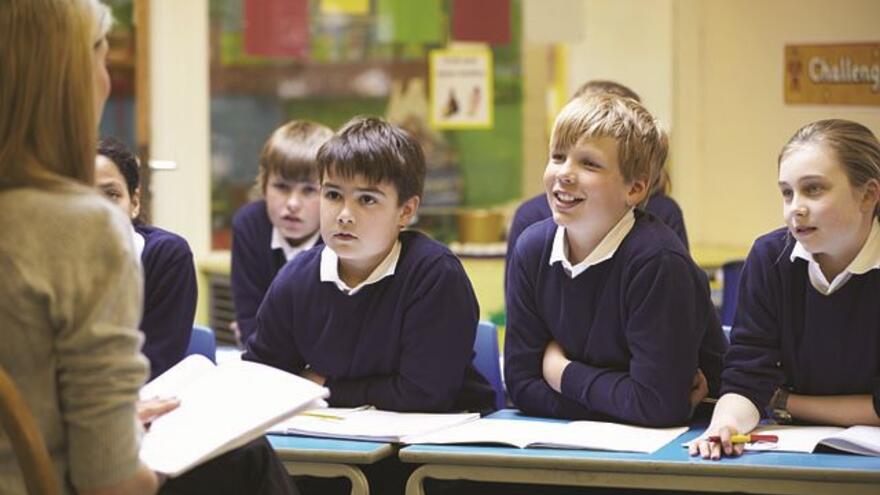
According to Section 19 of the Children and Families Act 2014, English councils must ensure they involve children, young people and families in decisions about themselves and the local area by:
- taking account of their views, wishes and feelings
- allowing them to participate as fully as possible in decisions
- providing them with information or supporting them to enable this participation.
Presumption for inclusion
The education system is based on the assumption that all children and young people will attend mainstream education unless in certain circumstances. These include where such a placement would affect the education of other pupils in the school or if the young person or the child’s family state a preference for specialist provision.
Specialist settings are only available to children and young people who have an Education, Health and Care (EHC) Plan, unless in exceptional circumstances. They can be requested on an EHC Plan by a young person or a child’s family.
Special educational needs
Every
local authority
 A local authority is also called a council. They are a group of people who make decisions about some of the things in the area where you live like schools, social care (support for people), parks and dustbin collection.
in England must make sure it identifies all children and young people in its area who have, or may have, special educational needs or disabilities (SEND).
A local authority is also called a council. They are a group of people who make decisions about some of the things in the area where you live like schools, social care (support for people), parks and dustbin collection.
in England must make sure it identifies all children and young people in its area who have, or may have, special educational needs or disabilities (SEND).
Right to receive additional support in education
Children and young people with special educational needs (SEN), including those with a learning disability, have a right to receive special educational provision. This is defined as “educational or training provision that is additional to, or different from, that made generally for other of the same age” in mainstream settings.
In England, children and young people with SEN may also receive some health care provision and
social care
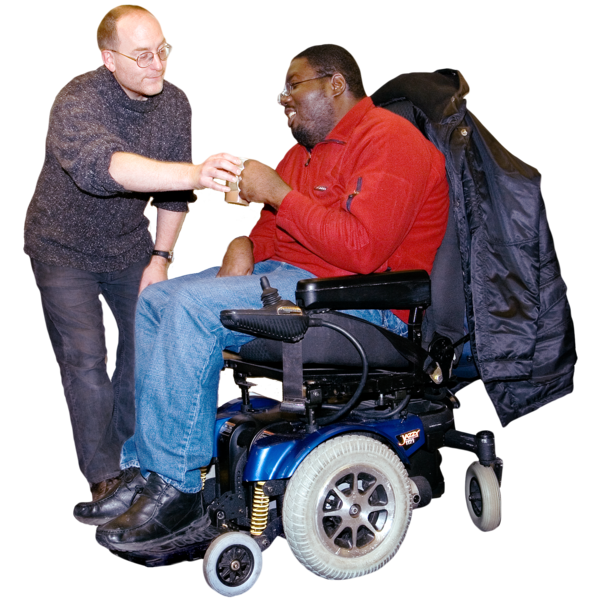 Social care means the services that give care and support to people who need it.
provision to help them with their learning and development.
Social care means the services that give care and support to people who need it.
provision to help them with their learning and development.
Rights under the Equality Act 2010
The
Equality
 Equality is when everyone is treated fairly.
Act protects
certain
Certain means you are sure about something.
groups of people from being discriminated against, such as people with a learning disability. Therefore, a child or young person with a learning disability must not be discriminated against, directly or indirectly, and the reason for this must not be because of their disability.
Equality is when everyone is treated fairly.
Act protects
certain
Certain means you are sure about something.
groups of people from being discriminated against, such as people with a learning disability. Therefore, a child or young person with a learning disability must not be discriminated against, directly or indirectly, and the reason for this must not be because of their disability.
In education, there are also further rights that children and young people with a learning disability have:
- the right to have ‘reasonable adjustments’ made to ensure that they are not at a substantial disadvantage compared with their peers
- the right to have discrimination eliminated, equality of opportunity promoted and good relations fostered between themselves and children and young people without a disability. This should be enabled by, for example, a school or college.
SEND Code of Practice
The SEND Code of Practice contains the guidance Guidance means being given clear instructions to be able to do something well. that professionals working with children and young people with SEN must follow.
It is also an incredibly important document for families of children and young people with SEN.
This is because it shows you what support you can expect your child to receive, as well as who is accountable for delivering it.
Yes. By law, all children and young people, including those with a learning disability, have the right to an education.
Yes. Young people must stay in education or training until at least age 16. In England, they must continue in education, training, or approved work until they are 18.
Most children and young people will attend a mainstream school or college. Specialist settings can be available if your child has an education, health and care plan or in exceptional circumstances.
An education, health and care (EHC) plan sets out your child’s education, health, and social care needs. It explains what support they must receive and who is responsible for providing it.
Children and young people with special educational needs have the right to extra support.
Yes. Under the Equality Act 2010, schools and colleges must make reasonable adjustments so your child is not at a disadvantage because of their learning disability.
Yes. The law says councils must involve children, young people, and families in decisions. This includes listening to your views and providing information to help you take part.
More information about education
The creation of this page was funded by The National Lottery Community A community is the people and places in an area. Fund.