
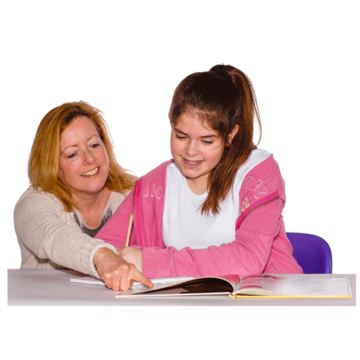
There are lots of different places where a child with a learning disability A learning disability is to do with the way someone's brain works. It makes it harder for someone to learn, understand or do things. can learn new things.
This page tells you about the different places they can go, based on their age.
Many children and young people with a learning disability have an educational experience Experience is when you have learned or tried something before. that may consist of different types of educational provision.
Use our quick links to find the types of provision that a child or young person can access throughout their educational journey.
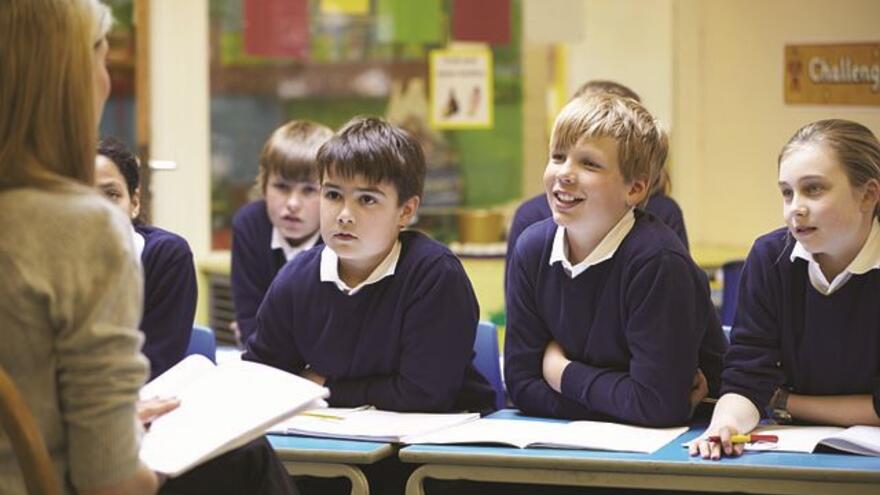
Quick links:
Early Years (Typically for ages 0 to 5 years)
- Nurseries
- Childminders
- Pre-schools/Nursery schools
Early Years education is where children's learning journey begins. It includes nurseries, pre-schools, childminders and reception classes. Learning is largely play-based and focuses on developing communication, social skills, confidence, physical development and early literacy and numeracy.
Do you need anything to access it?
No. All children can access Early Years provision. Your child may receive SEND support or, in some cases, have an Education, Health and Care Plan (EHCP).
Primary Education (Typically for ages 5 to 11 years)
Primary school is the first stage of compulsory education. Children learn the core subjects such as reading, writing, maths and science, alongside subjects like art, music, PE and computing. Schools also support children's emotional wellbeing, friendships and
independence
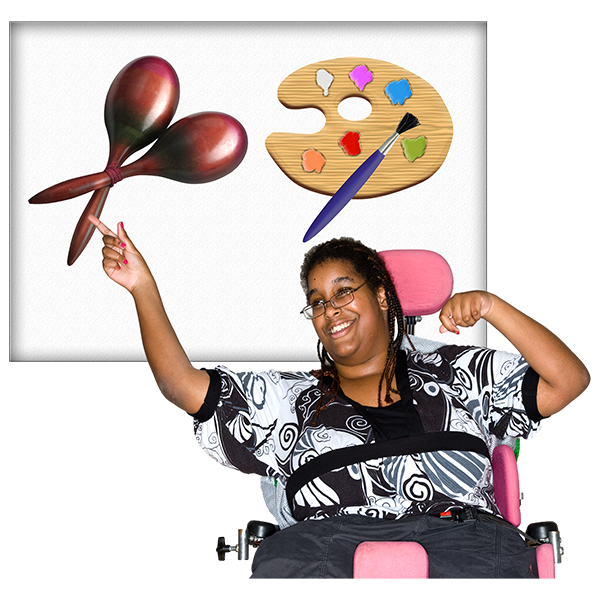 Independence means doing things on your own. Making your own choices.
.
Do you need anything to access it?
No. Every child is entitled to a school place. Your child can receive additional support in a mainstream school with or without an EHCP.
Secondary Education (Typically for age 11 to 16 years or 18 if staying in sixth form)
Secondary school prepares young people for adulthood, further education and
employment
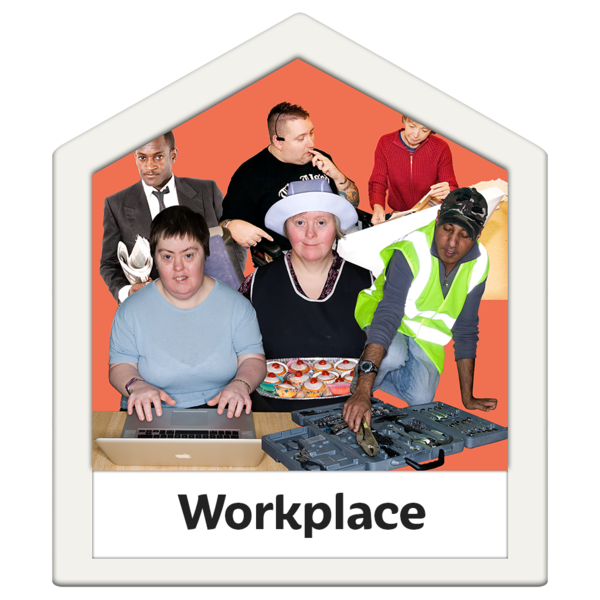 Employment means having a job.
. Alongside a broad curriculum, pupils usually begin working towards GCSEs or equivalent qualifications.
Do you need anything to access it?
No. Most young people with a learning disability will receive SEND support within school, while others may have an EHCP if they need more specialist provision.
Resource Bases/Special Support Centres/Inclusion Bases (Typically for ages 4 to 19 years)
Many mainstream schools have specialist provisions within them, often called Resource Bases, Inclusion Bases, Learning Support Centres, Special Support Centres, or Additionally Resourced Provisions (ARPs). The name varies between local authorities A local authority is another name for your local council. It is a group of people whose job is to look after the area where you live. Local authorities means more than one local authority. .
These settings allow children and young people with learning disabilities to benefit from specialist teaching and support while also having opportunities to learn, socialise and take part in activities alongside their mainstream peers where appropriate.
For some children, this can offer the best of both worlds, access to specialist support while remaining part of a mainstream school community A community is the people and places in an area. .
Do you need anything to access it?
Many resource bases require a child to have an EHCP, with the provision specifically named within the plan. However, some schools also offer enhanced support places without an EHCP, depending on local arrangements.
Specialist Schools (Typically for ages 4-19 years for with some up to 25)
Special schools provide education for children and young people with learning disabilities whose needs cannot be fully met in a mainstream school, even with additional support. They offer smaller class sizes, highly trained staff, specialist teaching approaches and adapted environments that enable children to learn in a way that suits them.
Many special schools also provide therapies, communication support, life skills teaching and opportunities to develop independence alongside the curriculum. Every special school is different, and some specialise in supporting pupils with profound and multiple learning disabilities (PMLD), severe learning disabilities (SLD), moderate learning disabilities (MLD) or complex needs.
Do you need anything to access it?
Most children attending a special school have an Education, Health and Care Plan (EHCP). The
local authority
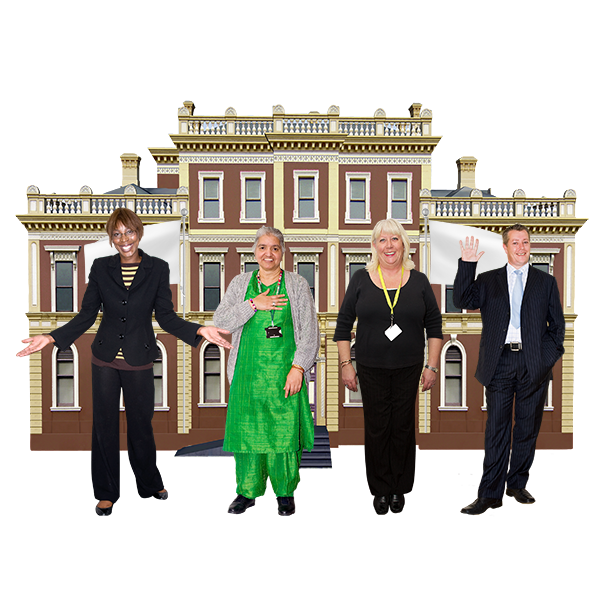 A local authority is also called a council. They are a group of people who make decisions about some of the things in the area where you live like schools, social care (support for people), parks and dustbin collection.
will usually name the school in the EHCP if it is considered the most appropriate setting to meet your child or young persons needs.
Alternative Provision (Typically for ages 5-16 years, some up to 18)
Alternative Provision (AP) offers education outside a traditional mainstream classroom when a child or young person needs something different to help them succeed. For children with a learning disability, this might be because their current placement is no longer meeting their needs, they have become emotionally overwhelmed, their attendance has reduced, or they would benefit from a smaller, more personalised learning environment.
Alternative Provision is designed to help children re-engage with learning in a way that works for them. Many settings offer smaller class sizes, flexible timetables, practical learning opportunities and increased individual support to build confidence, develop skills and help children achieve positive outcomes.
Do you need anything to access it?
Placements are usually arranged through your child's school or the local authority A local authority is another name for your local council. It is a group of people whose job is to look after the area where you live. . An EHCP is not essential, although many children attending Alternative Provision do have one or require one.
Pupil Referral Units and Alternative Provision Colleges (Typically for ages 5-16 years)
Pupil Referral Units are a type of Alternative Provision that supports children who cannot attend mainstream school for a variety of reasons. While PRUs are often associated with exclusion, they also support children whose education has been disrupted by health needs, emotional wellbeing or other circumstances.
Some children with learning disabilities may attend a PRU if it is considered the most appropriate short-term placement while longer-term plans are made, although many will instead access specialist provision more suited to their learning needs.
PRUs provide smaller classes, specialist staff and additional pastoral support to help children continue learning and prepare for their next educational placement.
Do you need anything to access it?
Placements are usually made by the local authority or a child's school. An EHCP is not required, although some pupils attending PRUs have one, and many are identified as requiring one.
Hospital Schools (Typically for ages 4-18 years)
Hospital schools support children and young people who are unable to attend their usual school because they are receiving treatment in hospital. This includes children's hospitals, specialist medical units and inpatient mental health services.
The aim is to help children continue their education during treatment, maintain routines where possible and make returning to school easier once they are well enough. Teachers work closely with healthcare professionals and the child's home school to ensure learning is adapted to the child's health and wellbeing.
Children with learning disabilities who require extended hospital treatment should still have access to education that meets their individual needs.
Do you need anything to access it?
Children usually need to be admitted to hospital or receiving treatment that prevents them from attending school. The length of treatment required varies between hospital schools. An EHCP is not required.
Further Education Colleges (Typically 16 to 19 years some up to 25)
Further Education (FE) colleges offer a wide range of opportunities after Year 11, including vocational courses, life skills programmes, supported internships A work placement for young people with additional needs, where they get support from a job coach. , supported learning courses and qualifications designed to prepare young people for employment, independent living or further study.
Many colleges have dedicated SEND teams and provide additional learning support, reasonable adjustments and specialist equipment where needed.
Do you need anything to access it?
Entry requirements depend on the course. Young people with learning disabilities can access support whether or not they have an EHCP, although those with an EHCP may continue to receive support until age 25 if they still require it.
Specialist Colleges (Typically 16 to 25 years)
Specialist colleges support young people with learning disabilities who need a higher level of support than a mainstream college can provide. They often combine education with therapies, communication support, personal care, travel training, independent living skills and preparation for adulthood.
Many specialist colleges focus on helping young people develop the confidence and practical skills needed to achieve their own goals, whether that is employment, volunteering,
supported living
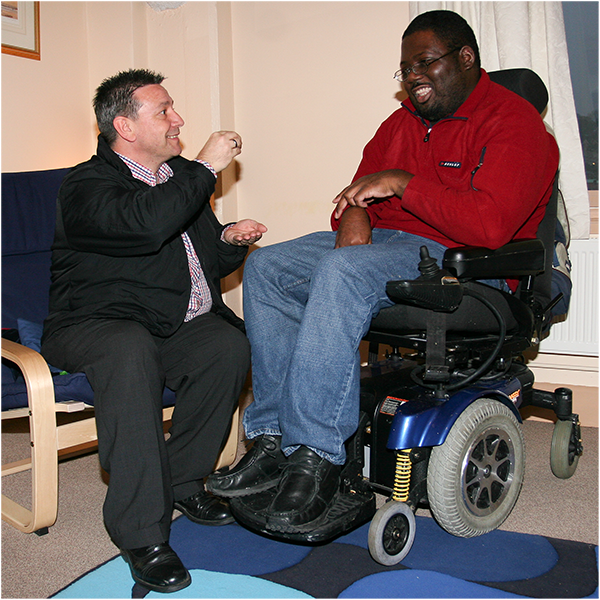 Supported living is when you live in your own home with support from staff. People who live in supported living have a tenancy agreement.
or greater independence.
Do you need anything to access it?
Most students have an EHCP, and placements are usually agreed and funded by the local authority following an
assessment
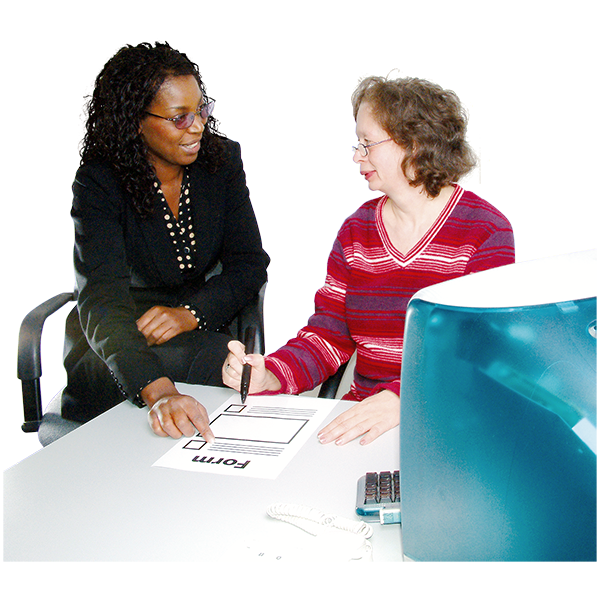 An assessment is a way of finding out what help a person needs. When you have an assessment, you might have to go to a meeting or fill in a form.
of need.
The creation of this page was funded by The National Lottery Community Fund.