
People who work in the health service have a huge impact on the lives of people with a learning disability.
The resources below will give you the tools to make sure you are making the adjustments needed to give great care to the people with a learning disability who come to you for support.
Identifying and reviewing patients with a learning disability
The
NHS
The NHS is the National Health Service. The NHS gives free healthcare to everyone in the UK and includes things like your GP (doctors) surgery and hospitals.
England and NHS Improvement document, 'Improving identification of people with a learning disability:
guidance
Guidance means being given clear instructions to be able to do something well.
for general practice' states that, from March 2020, practices needed to undertake on-going identification and review of the patients with a condition which may or may not be associated with a learning disability, to decide if they need to be added to the
learning disability register
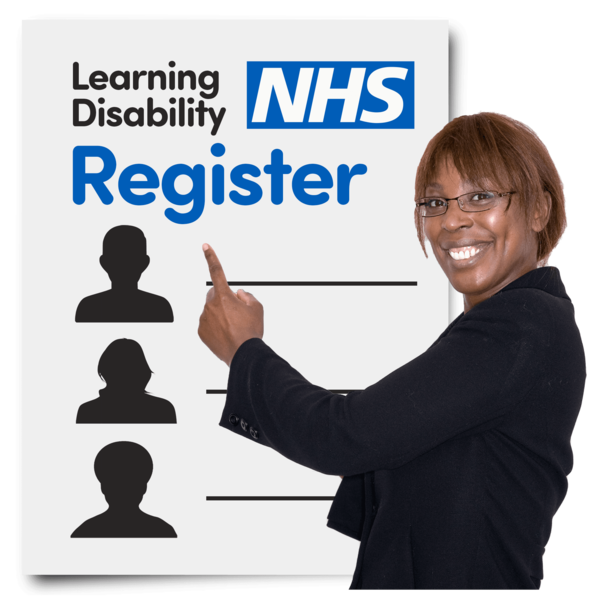 The learning disability register is a list of people with a learning disability that the doctor’s surgery looks after.
.
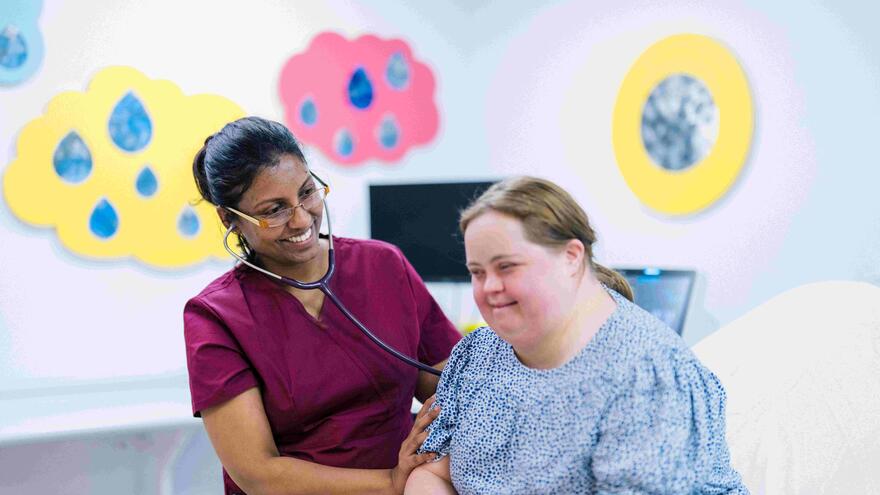
Communicating with people with a learning disability
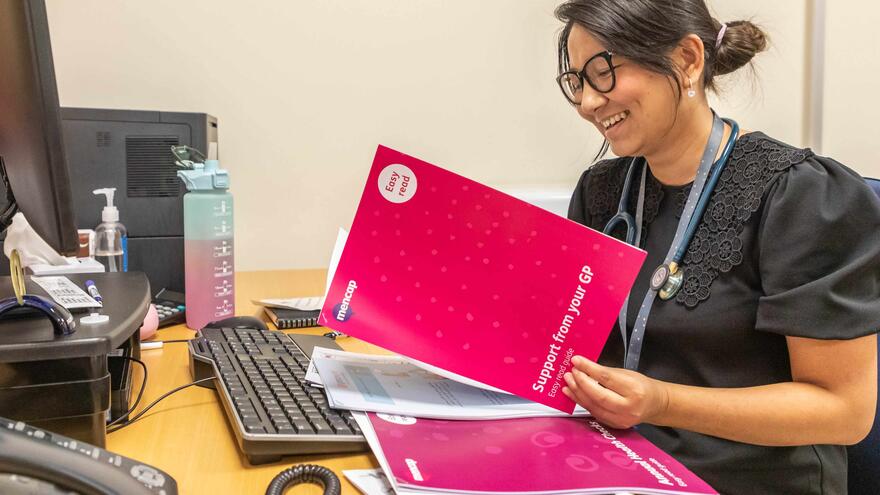
To help you explain conditions, treatments and other healthcare information to people with a learning disability Mencap have created a library full of Easy Reads which can be downloaded and printed.
 Edel Harris
What is a reasonable adjustment in hospital?
Watch our video about reasonable adjustments: simple or more complex changes made by healthcare professionals can help remove barriers that some people with a learning disability face, and enable them to access the healthcare they need.
Reasonable adjustments are small changes that can help people with a learning disability be treated equally.
The
law
 Laws are the rules that everyone in the country has to follow. If you don't follow the rules you can get in trouble with the police.
says that reasonable adjustments should be put in place and it is a patients right to ask for reasonable adjustments when they have a health appointment.
Reasonable adjustments can be made in the way that you treat a patient, or by providing them with things that can make their appointment easier.
Every person is different and will need different changes but there are some which are more common.
Examples of reasonable adjustments that a patient with a learning disability could ask for:
- Staff who speak clearly and use easy words
- A longer appointment
- Access to a hospital passport that tells staff all about the patient
- A quiet place to wait, or a private room
- Easy read information
- An appointment at a time which is better for them
- Having their appointment on time
- Having their
support worker
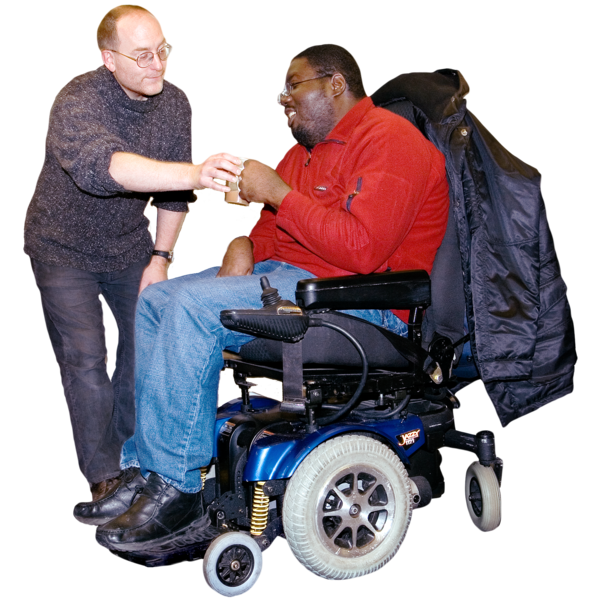 Support workers are people who are paid to give care and support to people who need it.
or a family member with them
- Help from a learning disability nurse
- Better physical access and help to get around
The learning disability register is a list of people with a learning disability that most doctors surgeries have. It helps the doctor’s surgery know who may need extra health support.
Patients do not need an official diagnosis A diagnosis is when a medical professional like a doctor has said you have a certain illness or condition. to go on the learning disability register.
People aged 14 and over who have been assessed as having a moderate or severe learning disability, profound learning disabilities, or a mild learning disability who may have other health needs, are entitled to a free
Annual Health Check
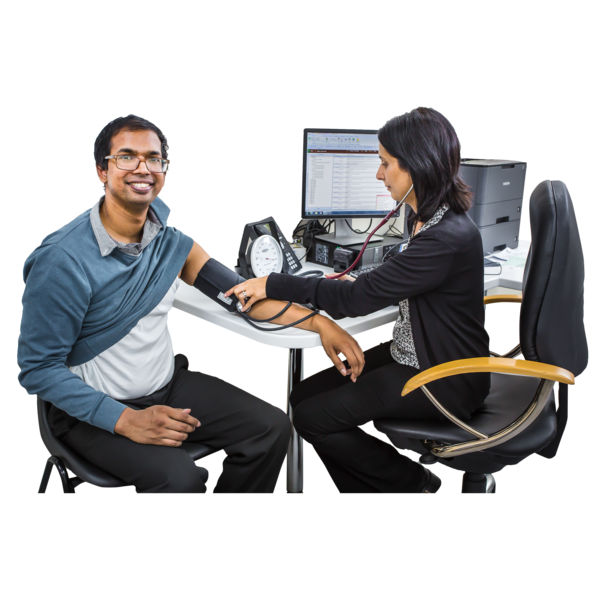 An annual health check is when you see a nurse or doctor once a year so they can help you stay well. Everyone aged 14 or over who has a learning disability should be invited for an annual health check.
.
Doctor’s surgeries should invite all people with a learning disability who are eligible for an Annual
Health Check
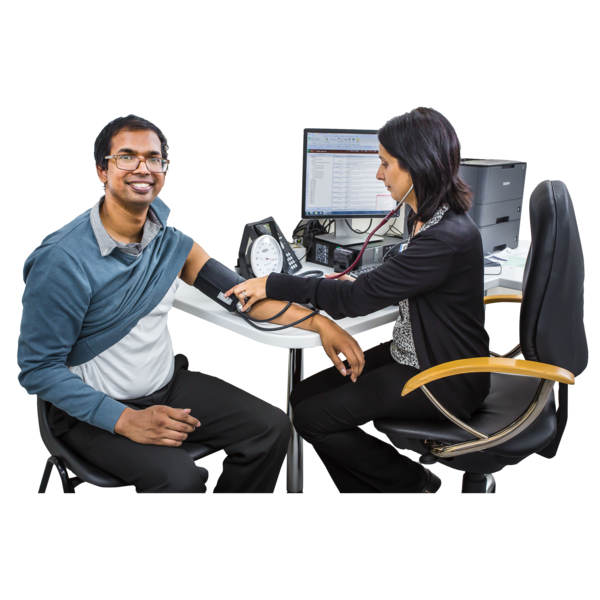 A health check is when you see a nurse or doctor so they can help you to stay well.
each year.
Annual Health Checks are part of the Enhanced Service (ES) that doctor’s surgeries can opt into.
Makaton is the UK's leading programme for adults and children with learning or communication difficulties.
It is a language programme that combine signs, symbols and speech to give different options for people to communicate.