
Help us continue the fight
For over 75 years, we have been campaigning to improve the quality of life for people with a
learning disability
A learning disability is to do with the way someone's brain works. It makes it harder for someone to learn, understand or do things.
, promoting health
equality
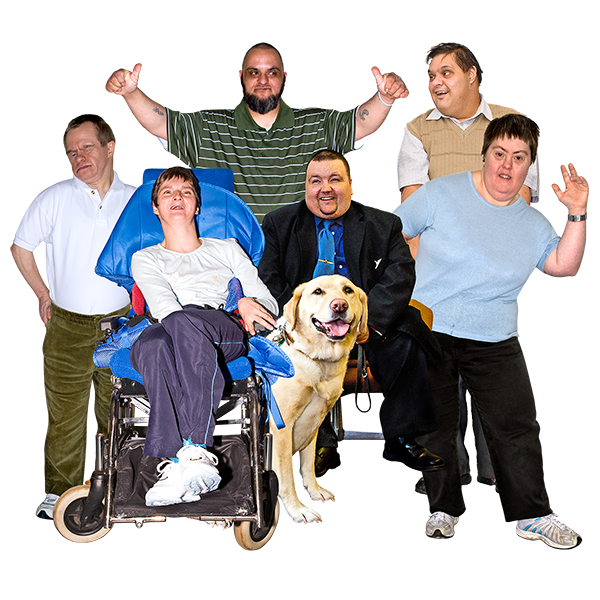 Equality is when everyone is treated fairly.
and ensuring the lived
experience
Experience is when you have learned or tried something before.
of people with a learning disability and their families is heard.
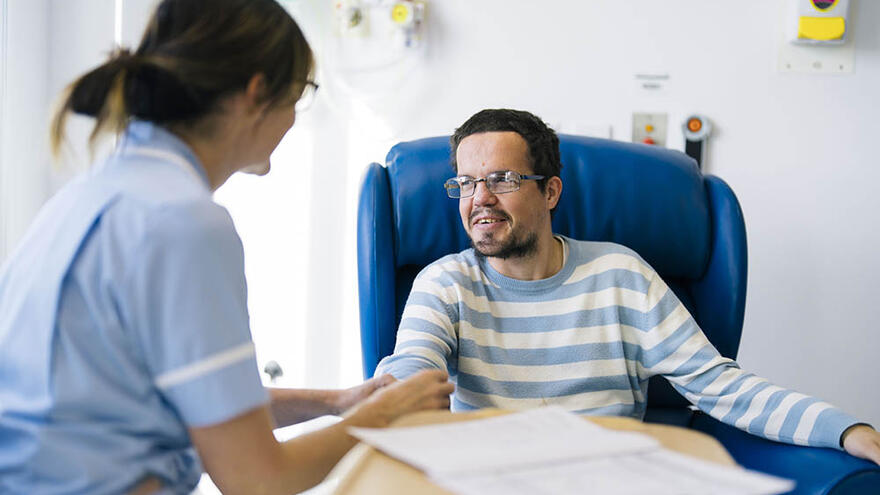
Our current priorities:
There's a long way to go to eliminate health inequality for people with a learning disability in the UK, but with your help, we are making a difference.
We need support to continue our work, so that people with a learning disability will have a better quality of life and be treated as equal members of society.
We work in different ways with people with a learning disability, their families, carers, and healthcare providers to improve access to healthcare.
Our Learning Disability Helpline offers guidance Guidance means being given clear instructions to be able to do something well. on a range of issues, including healthcare concerns and queries, as well as onward referral for legal advice and support.
There were over 8,600 enquiries made to our helpline in England over the 12 months to 31st March 2023, and our information and advice webpages had over 404,000 hits in the year to October 31st 2023.
Our HealthUnlocked online community A community is the people and places in an area. platform allows families with shared experiences to come together for peer support.

We campaign to get as many people as possible on the
learning disability register
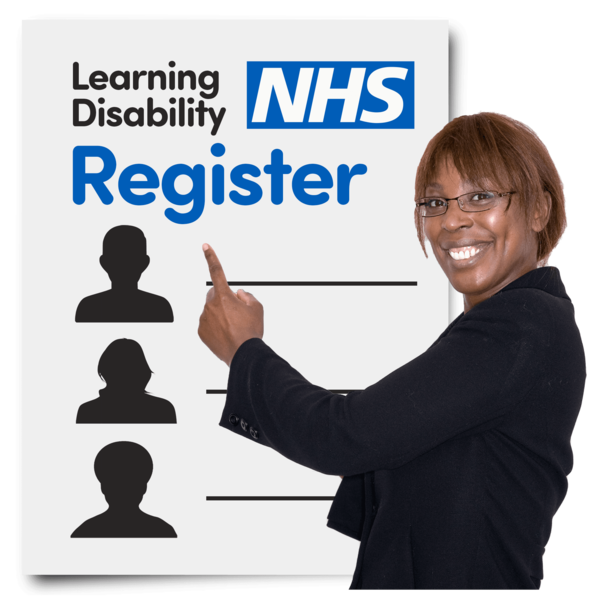 The learning disability register is a list of people with a learning disability that the doctor’s surgery looks after.
. Not enough people with a learning disability are on the learning disability register, especially in Black and Asian communities (1). Only 347,840 people were on the learning disability register in England in 2022/23.
We have reached more people with a learning disability and their families in Black and Asian communities. We worked with community groups and produced materials in languages other than English. We also promoted the register in pharmacies and targeted communications at staff working in GP surgeries to encourage them to promote it to patients. We need better data from the NHS The NHS is the National Health Service. The NHS gives free healthcare to everyone in the UK and includes things like your GP (doctors) surgery and hospitals. so we can target our resources more accurately.

Our Homes not hospitals campaign helps the thousands of people in the UK with a learning disability who are being detained in inpatient
assessment
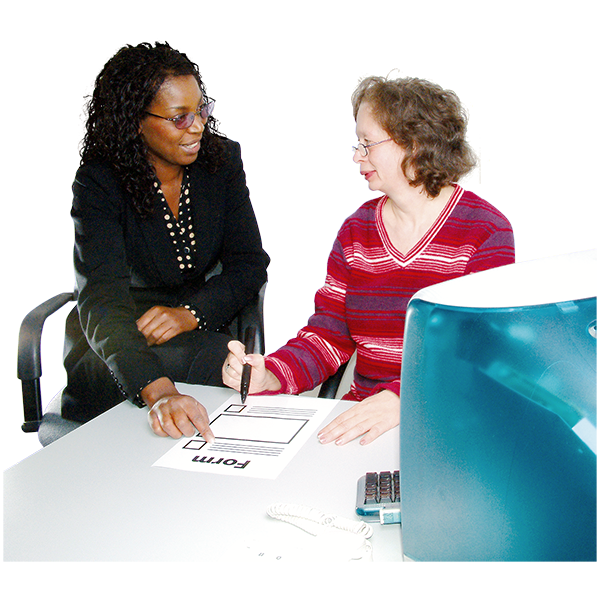 An assessment is a way of finding out what help a person needs. When you have an assessment, you might have to go to a meeting or fill in a form.
treatment units (ATUs) receive the care and suitable housing support they need in their communities.
We funded £177,000 to Access
Social Care
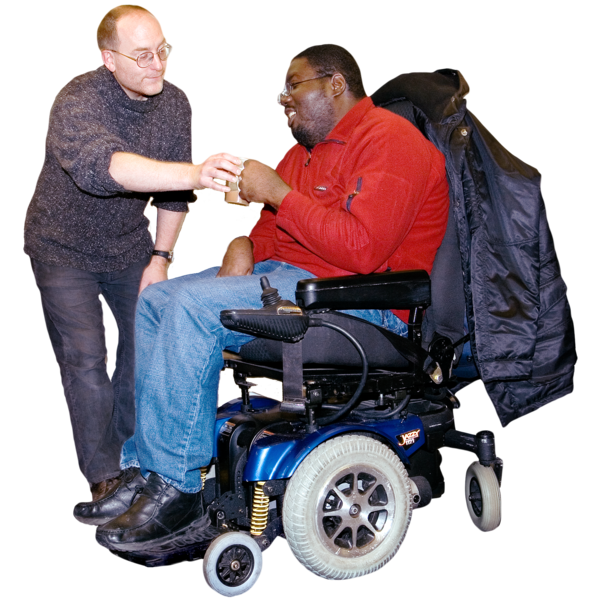 Social care means the services that give care and support to people who need it.
(FY 2022/23) to provide legal support for families (2), supporting 13 new families and 21 existing families to get expert legal help in their fight to get a loved one released (3).
There are sadly still over 2,000 people being detained across England (4), Northern Ireland (5) and Wales (6).
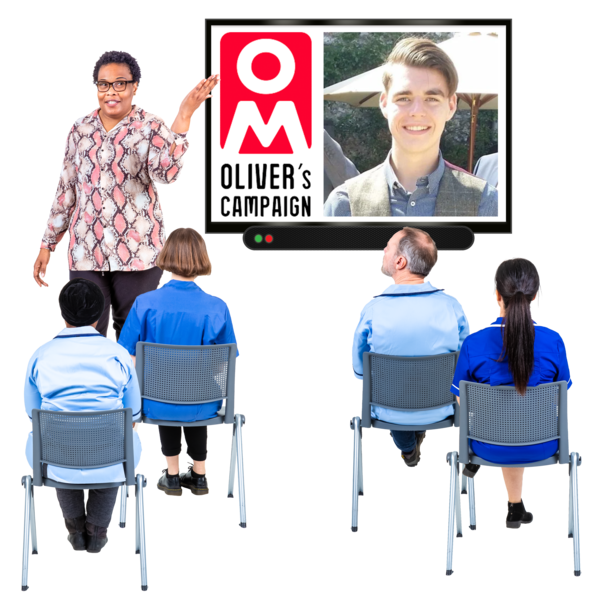
We’ve inspired ground-breaking change through the introduction of Oliver McGowan training, which ensures NHS
service
A service gives people what they need, like healthcare services that help people when they are ill, and support services that give people support.
providers and staff have the required
knowledge
Knowledge is knowing a lot about something.
to provide adequate support for people with a learning disability or
autism
 Autism is a disability. Autistic people find it difficult to understand what other people think and feel. They also find it difficult to tell people what they think and feel. Everyone with autism is different.
.
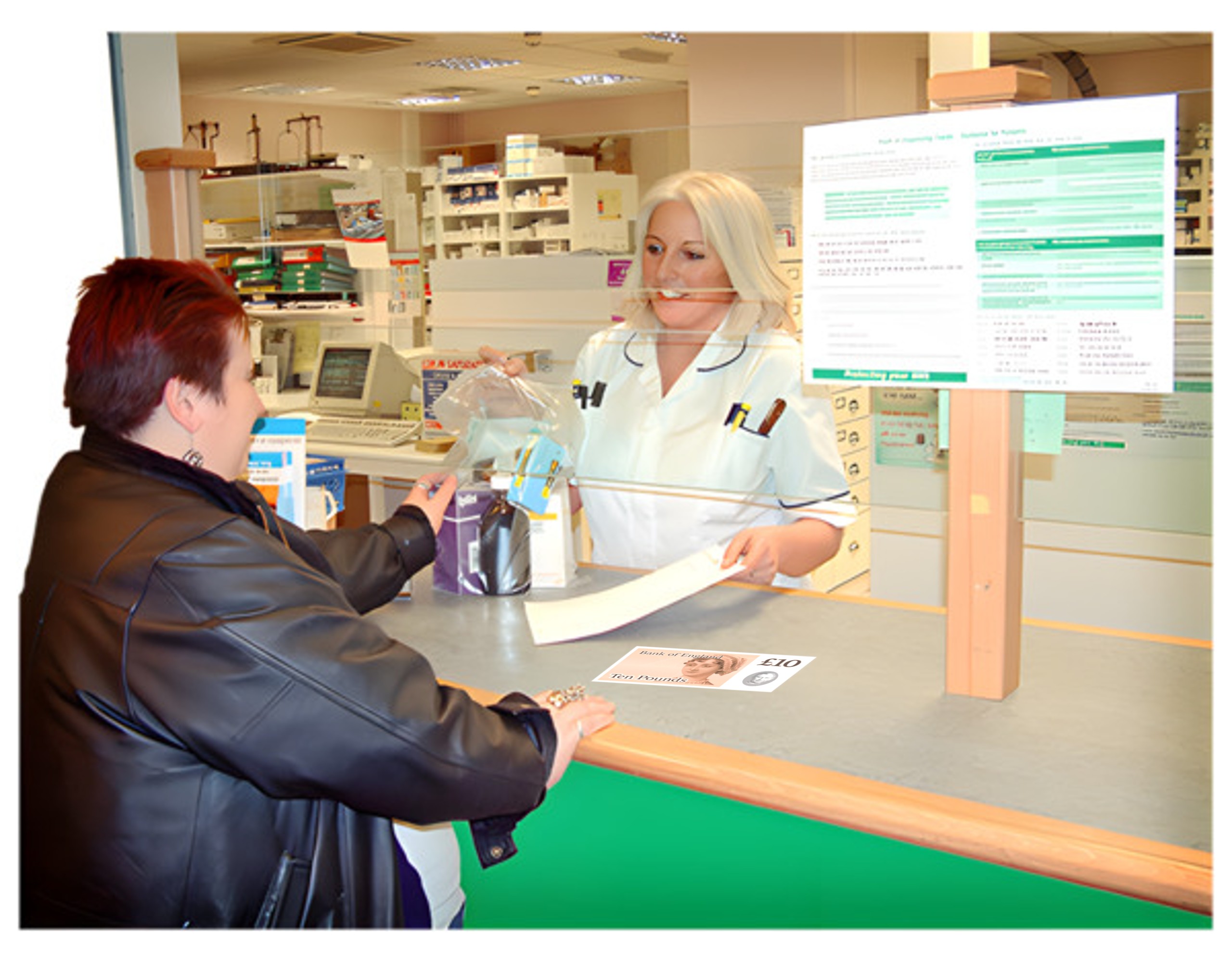
Our Treat Me Well campaign aimed to transform how the NHS treats people with a learning disability.
Focusing on finding solutions to healthcare inequalities in hospitals, and bringing about practical changes, so people with a learning disability always get the treatment they need and the equal access to healthcare they deserve.
Rachel’s Voice provides access to legal support for families of people with a learning disability who have died avoidably in a health or care setting.
Along with our partners at Fieldfisher, we’re funding this service with the aim of supporting 50-60 families over a 3-year period. The service will cover signposting to relevant services and information; instruction on how to handle and what to expect with inquests and hospital mistreatment cases; requesting access to inquests when they have not happened or have been denied; legal representation.
Evidence suggests that mental health problems may also be higher in people with a learning disability than in those without a learning disability (7). Almost 1 in 3 participants (31.7%) in Mencap’s Big Learning Disability
Survey
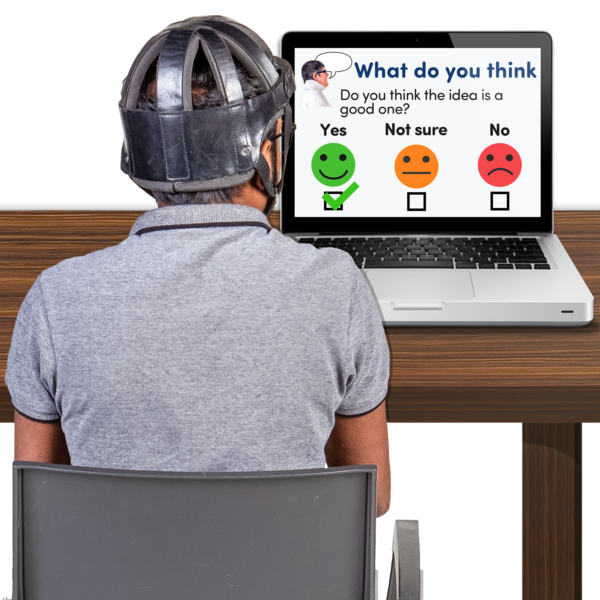 A survey is when someone asks you to answer some questions.
in 2022 reported that they had felt lonely and over 4 in 10 (43.5%) respondents said they had felt sad (8).
Mencap’s current focus is on creating
accessible
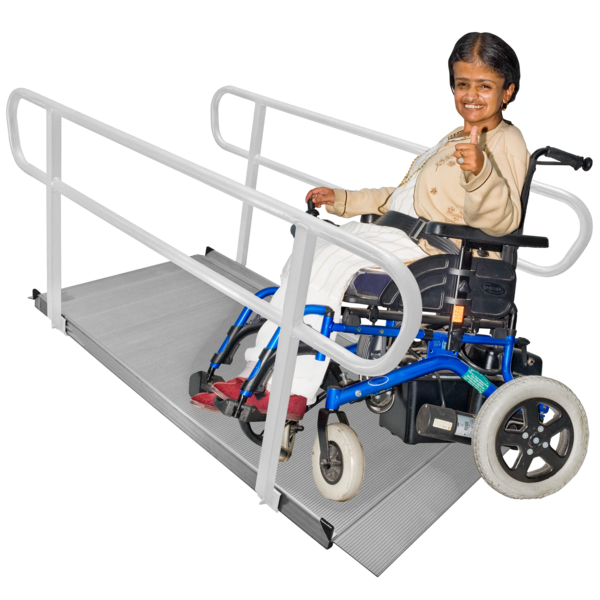 Accessible means something is easy for people to use or join in with. For example: Accessible writing means the writing is easy to read and understand.
resources around mental health and wellbeing to help those with a learning disability understand what mental illness can look and feel like, and to support them in developing coping strategies.

This is our mental health campaign, demanding that the mental health needs of people with a learning disability aren’t forgotten after Covid-19. This included lobbying to open up
day services
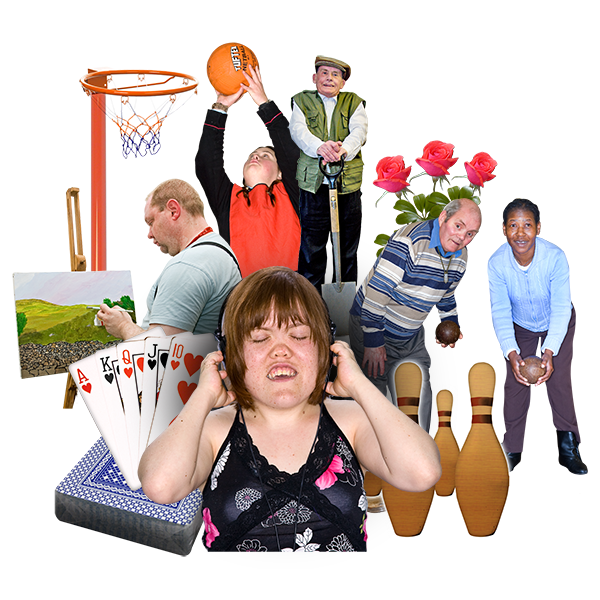 Day services are things some people with a learning disability do in the day, usually as part of a group. For example: drama or craft.
so that people with a learning disability can reconnect with others in their communities.
In Wales, the ‘Locked Out’ report found out that 73% of those surveyed had suffered a 48% reduction in day services post-pandemic, which has had a massive impact on people’s mental health and wellbeing.
We were instrumental in lobbying the government The Government are the people who run the country. They decide how much tax people should pay for things and how things like the National Health Service should work. to ensure people with a learning disability were prioritised in the rollout of the COVID-19 vaccination, which made a real difference and will have saved lives
We held our first health inequalities summit in April 2023, where health leaders and campaigners came together to talk about life expectancy, avoidable deaths and other barriers people with a learning disability face when accessing healthcare.

Mencap also works to ensure people with a learning disability have access to the social care they need and are entitled to. The right support is linked to healthcare, as social care professionals can monitor any health conditions, help direct those they support to health services and explain what options are available.
There is also a link between day-care services and mental health. Many day-care services have not been reinstated since the pandemic, meaning people are missing out on community connection, which has a knock-on effect on their mental health and wellbeing.
Our Why We Care campaign, launched in February 2024, aims to give a voice to care workers, to set out their work and passion for the role as well as the pressures they face due to the government’s underfunding of the sector and its decision to de-prioritise social care. We hope to use this to engage government and other decisions makers, as well as the wider public, in a discussion about the value of care work and the positive difference it can make.
Campaigning and support in Wales

- provided support to families/carers to be able to challenge the healthcare their relatives received, including the family of Paul Ridd.
- worked with the Paul Ridd Foundation in Wales to create mandatory Mandatory means that something must be done. learning disability awareness training which is now being delivered to all NHS staff in Wales.
- successfully campaigned to make Wales the first country to offer annual health checks for people with a learning disability.
- provided evidence to Welsh
Parliament
Parliament is a group of people who make laws and check what the government is doing.
’s Health & Social Care Committee
consultation
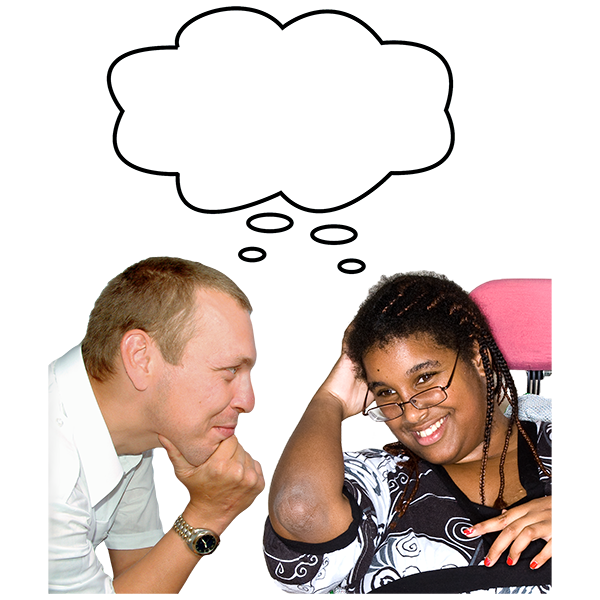 Consultation is finding out what people think about something.
on access to dentistry. We provided a number of first-hand stories, highlighting the poor attitudes of some dental surgeries, and the often-massive distances individuals must travel in rural Wales to access a dentist.
- supported a number of people we support to access free ear-syringing in their communities. Welsh GPs no longer have to offer this free of charge, and people were sign-posted to private providers. However, local health boards must. The influencing team collected the stories of people across Wales, and sought clarification from health boards and Welsh Government.
- alongside colleagues in the Learning Disability Consortium (Mencap Cymru, Learning Disability Wales, Down’s Syndrome Association, All Wales People First, All Wales Forum of Parents & Carers) we successfully campaigned to ensure COVID- vaccine A vaccine is medicine that helps your body to fight an infection in the future. was rolled out to ALL people with a learning disability in Wales, as initial JCVI guidance did not guarantee this.
- colleagues sit on several groups with other learning disability
organisations
Organisations are groups like companies and businesses.
in Wales, collaborating to influence the Welsh Government. We represent the interests of people with a learning disability and their families on the Senedd’s cross-party learning disability group and are part of the Learning Disability Ministerial Advisory group. Our team in Wales are also currently lobbying the Welsh government to ensure they give
consent
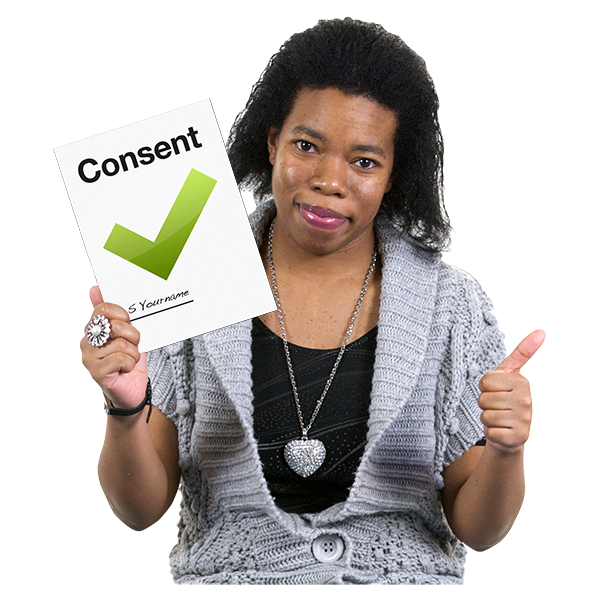 Consent is when you say yes to something, like an operation, or Mencap using your photo for a story. You may have to sign something to say yes. If you can't make your own decisions, someone else can say yes or no for you. They must think about what is right for you.
to changes to the Mental Health Bill that Mencap is proposing.
There is still more to do
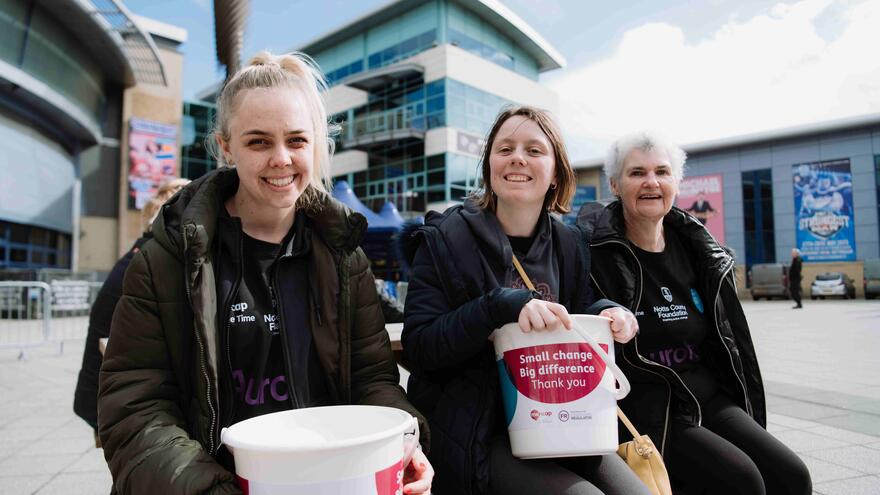
We know that there’s a long way to go to eliminate health inequality for people with a learning disability in the UK, but we also know that our work is making a difference - without our fundraised income Income is all the money you get from things like paid jobs and government benefits. , we wouldn’t have been able to achieve what we have so far.
We rely on the kindness of our generous supporters to continue and expand upon our work in the healthcare sector, conducting and responding to the latest research Research is a way of finding out information which could come from books, or asking people what they think. on the needs of people with a learning disability.
* Office for National Statistics (ONS), released 5 July 2022, '>Mortality in England and Wales: past and projected trends in average lifespan.'
Sources:
- https://www.mencap.org.uk/sites/default/files/2022-09/Mencap%20Annual%20Report%202021.22.pdf
- https://www.mencap.org.uk/sites/default/files/2023-09/Mencap-AR-2022-v8b.pdf
- https://www.mencap.org.uk/sites/default/files/2023-09/Mencap-AR-2022-v8b.pdf
- https://digital.nhs.uk/data-and-information/publications/statistical/learning-disability-services-statistics/at-september-2023-mhsds-july-2023-final/datasets---at
- https://www.health-ni.gov.uk/news/mental-health-learning-disability-inpatients-202223
- https://gov.wales/sites/default/files/statistics-and-research/2019-11/patients-mental-health-hospitals-units-31-march-2019-249.pdf
- https://onlinelibrary.wiley.com/pb-assets/assets/13652788/JIR-Editorial-Mental-Health-Loneliness-and-Social-Inclusion-May-2022-1653298008610.pdf
- https://www.mencap.org.uk/sites/default/files/2022-12/Report_%20BLDS2022.pdf