
Some speech, language and communication difficulties that people with learning disability A learning disability is to do with the way someone's brain works. It makes it harder for someone to learn, understand or do things. may demonstrate are:
- difficulty understanding what has been said or written
- frustration when they cannot express their thoughts or feelings
- difficulty to produce sounds for speech
- finding it hard to understand and express nonverbal communication like emotions, body language and tone of voice
- difficulty eating, drinking and swallowing.
Speech and Language Therapy (SALT)
Speech and Language Therapy (SALT) includes an
assessment
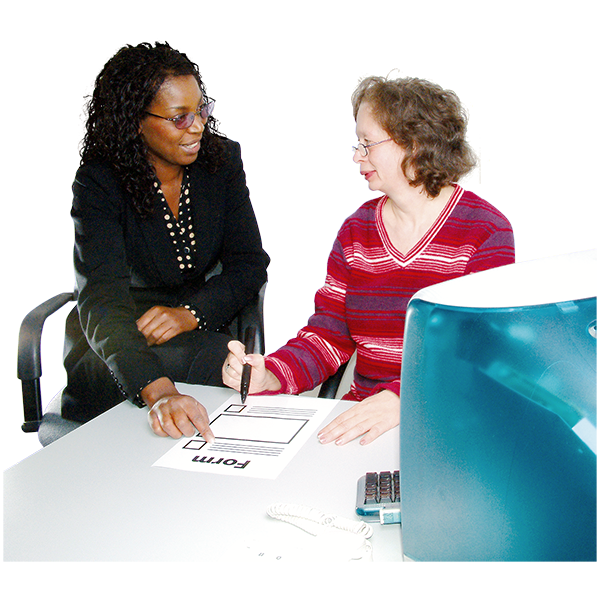 An assessment is a way of finding out what help a person needs. When you have an assessment, you might have to go to a meeting or fill in a form.
,
diagnosis
A diagnosis is when a medical professional like a doctor has said you have a certain illness or condition.
, and treatment for children and adults with communication, speech, language, or eating and swallowing difficulties.
These specialist services help people improve their functional communication, supporting conditions like learning disabilities, stroke,
autism
 Autism is a disability. Autistic people find it difficult to understand what other people think and feel. They also find it difficult to tell people what they think and feel. Everyone with autism is different.
, or developmental delays, using tailored therapy.
Speech and language therapy for people with a learning disability
Speech and language therapy can help people with a learning disability communicate to the best of their ability.
Therapist might explore other ways of communicating through:
- the use of signing
- symbols
- communication aids.

How to get Speech and Language Therapy
If you or someone you care for has communication, voice or swallowing problems, you should first contact your doctors surgery or health visitor.
Your doctor or health professional can refer you to your local speech and language therapy department. This is usually at a hospital. You can also search your local hospital to see if they have a speech and language therapy service. Some of them may allow you to self-refer to them directly.
More information about speech and communicating
Speech is how we say sounds and words out loud, whereas language refers to the words we use and how we use them to share thoughts.
Speech and language therapists provide support and treatment for children and adults who have difficulties with communication, or with eating, drinking, and swallowing.
They work with parents, carers, and other professionals, such as teachers, nurses, occupational therapists, and doctors.
People can communicate in many ways without spoken words, this includes using:
- eye contact and facial expression
- gestures - like pointing, hand leading and signing
- body language
- touch and movement
- picture cards, photos or symbols
- objects of reference
- electronic devices - these are also called augmentative and alternative communication (AAC) devices.

Thank you to the National Lottery Community Fund for their generous grant, funding this work.

This article was created thanks to funding from the British Gas Energy Trust.