
Speech and language
Speech and language

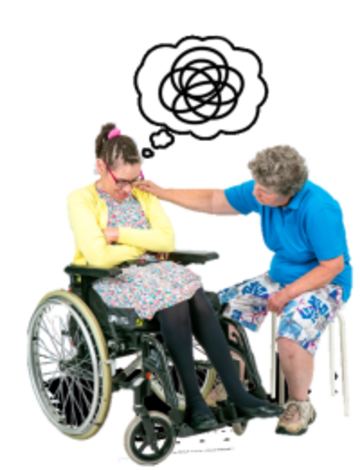
Some people with a learning disability find communication difficult.

They might find it difficult to:
- read

- write

- understand what other people say
- speak.

They might also find it difficult to understand or use non-verbal communication.

Non-verbal communication is the extra ways we use to help people understand what me mean.

For example:
- body language. Body language can be how we stand or sit and how we move our arms or hands.
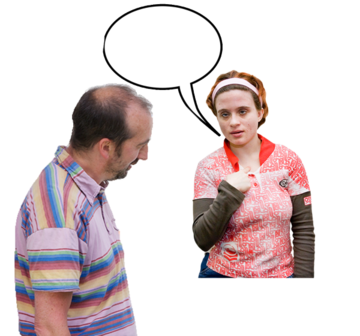
- how we say things. The same word or sentence can mean different things if we say it loudly, quietly, as a joke or as a question.

People with a learning disability might get annoyed or upset when they can not let other people know what they think or want to say.
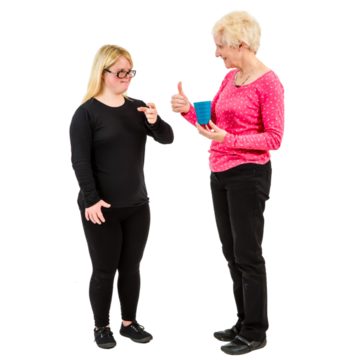
Some people with a learning disability might find Speech and Language Therapy useful.

What is Speech and Language Therapy?
Speech and Language Therapy (SALT) is a special service A service gives people what they need, like healthcare services that help people when they are ill, and support services that give people support. to help people with communication, speaking and swallowing.
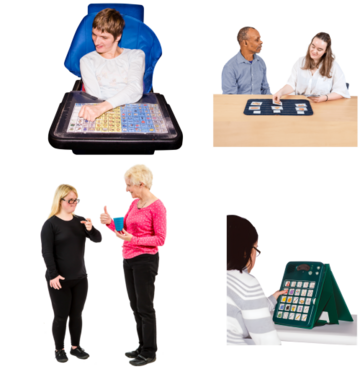
Speech and Language therapists can help people to communicate by teaching them how to use:
- signs
- symbols
- communication aids.
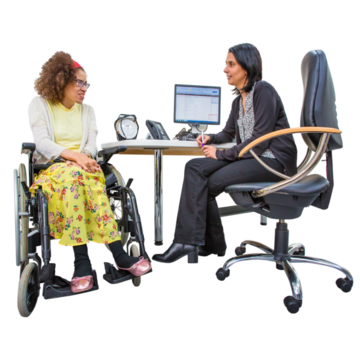
If you or someone you care for finds it difficult to speak, swallow or communicate, you should contact your doctor or health visitor.
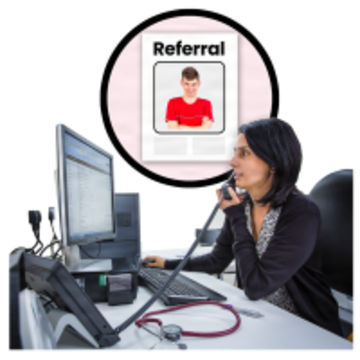
Your doctor or health visitor might refer you to your local speech and language therapy team.

In some areas, you can refer yourself to your local speech and language therapy team.

Our speech and language page has links to other pages about communication.

First published 08/09/2026
Last updated 08/09/2026