
What is epilepsy?
Epilepsy is a brain condition that causes someone to have seizures.
Epilepsy is more common in people with a learning disability A learning disability is to do with the way someone's brain works. It makes it harder for someone to learn, understand or do things. . Sometimes they can have the same underlying cause, such as a condition someone was born with that affects how their brain works.
Around 1 in 5 people who have a learning disability will have epilepsy, compared to just 1 in 100 among people who do not have a learning disability.
For people with profound and multiple learning disabilities (PMLD) epilepsy is even more common, affecting around 1 in 2.
What causes epilepsy?
Seizures are caused by a sudden burst of electrical activity in the brain. This unexpectedly changes the brain’s usual way of working for a short time.
Seizure triggers can be very different, but may include tiredness and stress.
How does epilepsy affect someone?
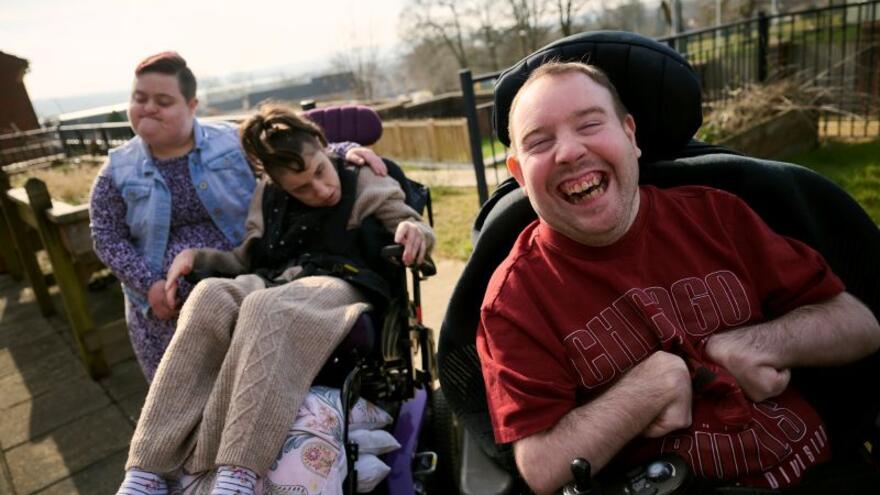
Seizures can come in many forms and can look different for each person. Some people might have more than one type of seizure. People may have a seizure where they go stiff, fall to the floor and shake, this is called a tonic-clonic seizure. Other seizure types might make them go quiet and appear absent for a short time.
Seizures range in severity from mild to severe and life threatening Threatening is when someone says they are going to do something bad to you or others. , but all seizures are serious and need the right care and support.
Living with epilepsy
With proper support epilepsy can be managed and those with it can live happy and full lives. Many people with epilepsy take medication to prevent or reduce the frequency of their seizures. Knowing what triggers someone’s seizures can also help to reduce the number of seizures they have.
Where to get help and support about epilepsy
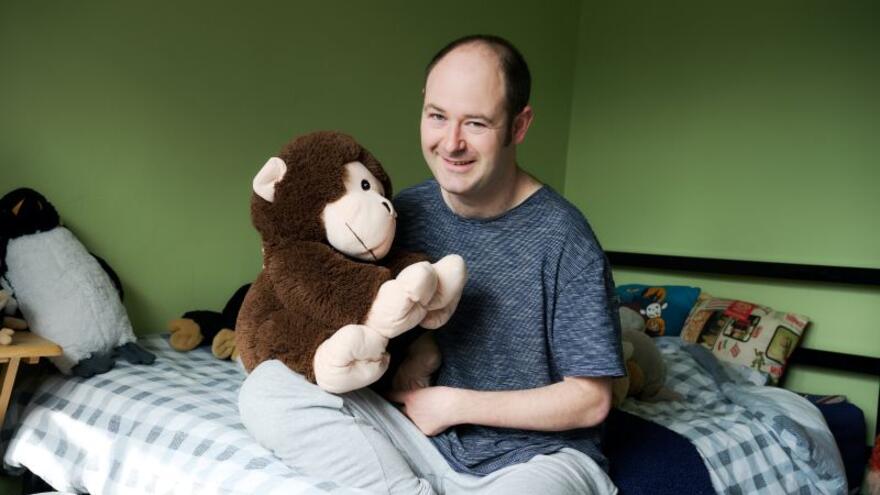
A learning disability can make epilepsy harder to manage. It may be harder for someone with a learning disability to spot, anticipate, or explain the signs of their seizures. Someone with a learning disability may also need support taking their medication on time or managing their health appointments.
The support that each individual needs will be unique to them, it’s important to keep a dialogue going between the person with a learning disability, their supporters, and their health care team. With the right level of support in place someone with a learning disability and epilepsy can live a happy and healthy life.
For more information and advice about epilepsy, including Easy Read Easy Read is a way of making written information easier to understand. Pictures are usually added next to the writing. information and videos, visit Epilepsy Action’s page on epilepsy and learning disability.
If you have a learning disability, or are a carer or family member of someone with a learning disability, you can also chat to Mencap's friendly advisors on our learning disability helpline about managing health conditions when you have a learning disability.
Watch: Miles’ story
Miles has a learning disability and epilepsy as well as other health conditions. In this video, his
support worker
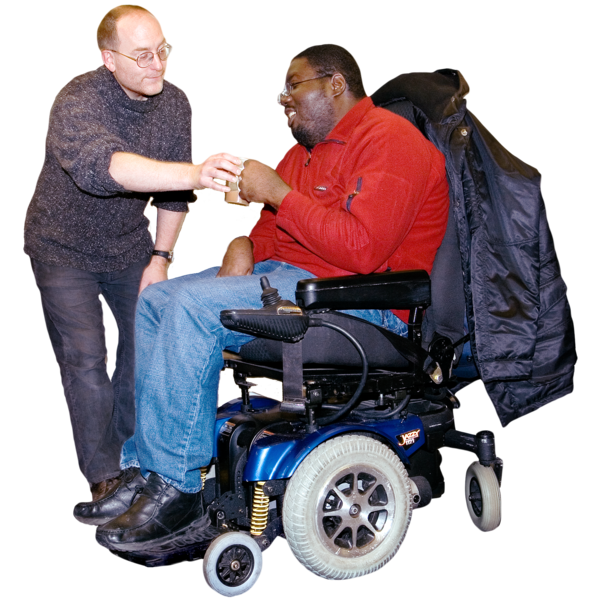 Support workers are people who are paid to give care and support to people who need it.
explains how Miles used to have intense seizures almost yearly, but with the right care and attention he now hasn’t had any in a long time
Questions and answers about epilepsy
If you or someone you are supporting is showing signs of a seizure, and they:
- are having a seizure for the first time
- hurt themselves during the seizure
- have a seizure lasting more than 5 minutes, or having more than one seizure in a row without regaining consciousness (waking up)
- struggle breathing after the seizure has stopped.
You should call 999 immediately and ask for an ambulance.
It should say in someone’s care plan what to do if they have a seizure.
With proper support epilepsy can be managed and those with it can live happy and full lives. Many people with epilepsy take medication to prevent or reduce the frequency of their seizures. Knowing what triggers someone’s seizures can also help to reduce the number of seizures they have. Seizure triggers can be very different, but may include tiredness and stress.
Epilepsy is a brain condition that causes someone to have seizures. Seizures are caused by a sudden burst of electrical activity in the brain. This unexpectedly changes the brain’s usual way of working for a short time.
Seizures can come in many forms and can look different for each person. Some people might have more than one type of seizure. People may have a seizure where they go stiff, fall to the floor and shake, this is called a tonic-clonic seizure. Other seizure typess might make them go quiet and appear absent for a short time. Seizures range in severity from mild to severe and life threatening, but all seizures are serious and need the right care and support.
Seizures range in severity from mild to severe and life threatening, but all seizures are serious and need the right care and support.
With proper support epilepsy can be managed and those with it can live happy and full lives. Many people with epilepsy take medication to prevent or reduce the frequency of their seizures. Knowing what triggers someone’s seizures can also help to reduce the number of seizures they have. Seizure triggers can be very different, but may include tiredness and stress.
Epilepsy is a brain condition that causes someone to have seizures.
Although epilepsy is not a learning disability it is more common in people with a learning disability.
Care. Community. Campaign
Support to live life to the full.
This is learning disability.
More conditions linked with Learning Disability
Get help and advice online with Mencap
Whether you're a parent, healthcare professional, or someone with a learning disability, we've created a tool that offers clear explanations, helpful resources, and easy read resources to guide you towards the information you need.

Thank you to Epilepsy Action for their advice and support with the information on this page.
Page sources: