
Epilepsy and learning disability Easy Read
Epilepsy and learning disability
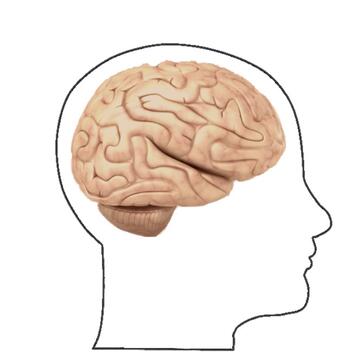
What is epilepsy?
Epilepsy is a brain condition that causes someone to have seizures.
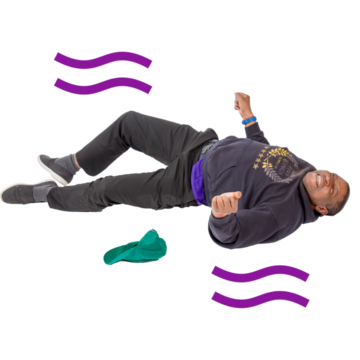
Seizures are sometimes called fits.
A seizure is when someone's body suddenly starts to act differently.
For example, some seizures can make your body go stiff, fall to the floor and shake.
Epilepsy is more common in people with a learning disability A learning disability is to do with the way someone's brain works. It makes it harder for someone to learn, understand or do things. .
Epilepsy is even more common in people who have lots of different learning disabilities.
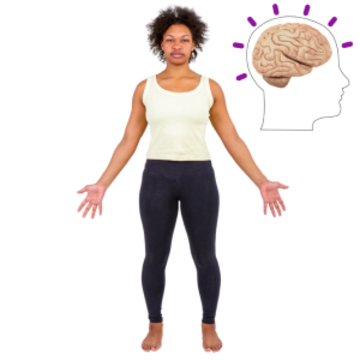
What causes epilepsy?
Seizures are caused by a sudden electrical rush inside the brain.
This changes the way the brain works for a short time.

The triggers for a seizure can be very different but may include being tired or stressed.
A trigger is a thing that starts something.
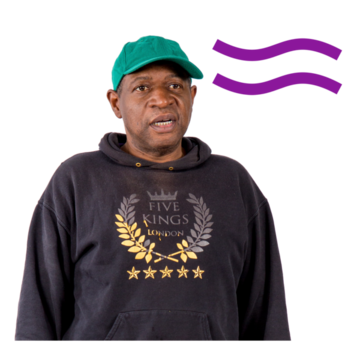
Some people may have more than one type of seizure.
Some people have seizures where their body goes stiff, falls to the floor and shakes.
This is called a tonic-clonic seizure.
Some people have seizures that might make them go quiet and look blank for a short time.
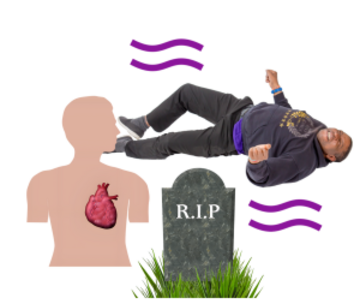
Seizures range from mild to life threatening Threatening is when someone says they are going to do something bad to you or others. .
Life threatening means you could die.
All seizures are serious and need the right care and support

Living with epilepsy
With good support people with epilepsy can live happy and full lives.
Many people take medicine to stop or lessen the amount of seizures they have.
Knowing what triggers someone's seizure can help lessen them too.
Where to get help and support about epilepsy
It might be hard for someone with a learning disability to notice the signs of a seizure or when to take medicine.
The kind of support they need will be individual to them.
It is important that their supporters and health care team keep in close contact with them.
You can get more information and advice about epilepsy from the Epilepsy Action
website
 A website is a page you can go to on the internet like Google or YouTube.
.
If you have a learning disability, or are a carer, or a family member of someone with a learning disability, you can contact the Learning Disability Helpline.

What to do if someone has a seizure
If someone shows signs of a seizure, and they are having a seizure for the first time, or,

they hurt themselves during the seizure, or,
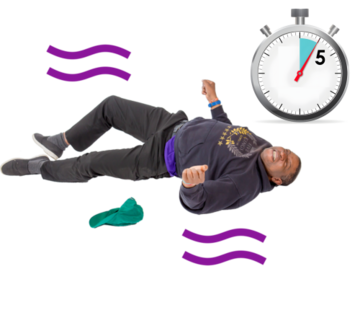
they have a seizure for more than 5 minutes, or are having more than one seizure in a row without waking up, or,
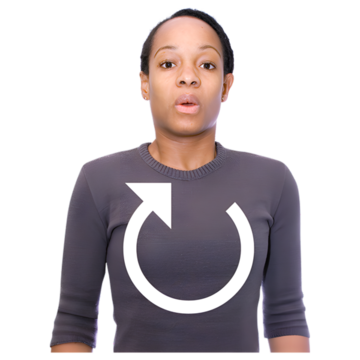
they are finding it hard to breathe after the seizure has stopped,
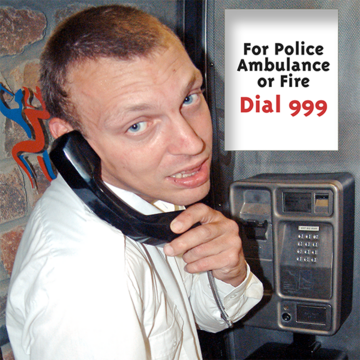
You should phone 999 as soon as possible and ask for an ambulance.
Thank you to the National Lottery Community Fund for their generous grant funding this work.

This Easy Read Easy Read is a way of making written information easier to understand. Pictures are usually added next to the writing. was first published in September 2025.
Last updated 25/09/2025.