

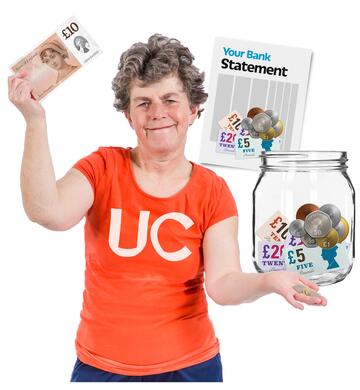
You might get money from work (wages), family, or benefits like universal credit,
personal independence payment
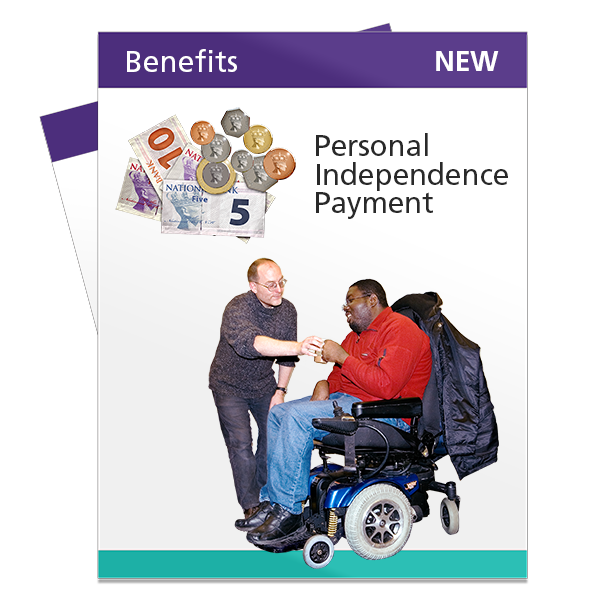 Personal Independence Payment (PIP) is the name of a benefit that some people with a disability or health condition get. The money is to pay for extra help you might need to look after yourself and to get around. Some people who used to get Disability Living Allowance (DLA) now get PIP instead.
or attendance allowance.
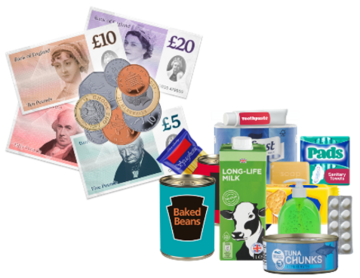
You will spend money on things you need like rent Rent is the money that you pay to live in your home when you have a tenancy agreement. Your home belongs to a landlord, but you have a right to live there as long as you follow the rules that are in your tenancy agreement. and bills, and on things you want like games and days out.
Money coming in
Money you have coming in is called income Income is all the money you get from things like paid jobs and government benefits. . Your money might come from:
- Wages - money from working
- Family
- Universal Credit
-
Employment
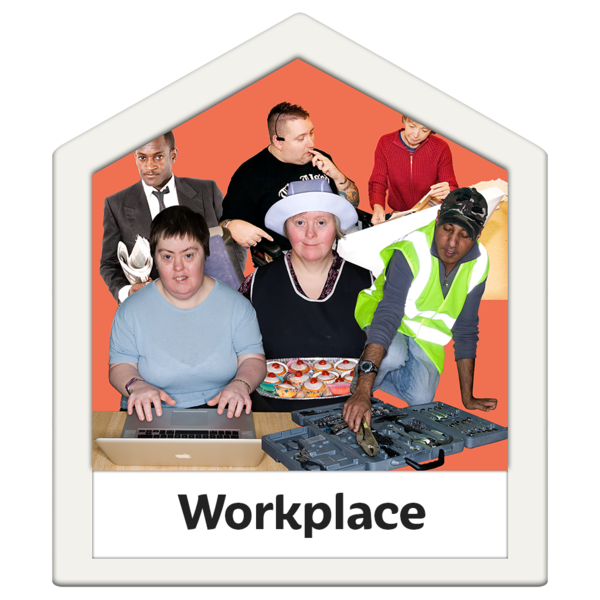 Employment means having a job.
and Support Allowance (ESA)
- Personal
Independence
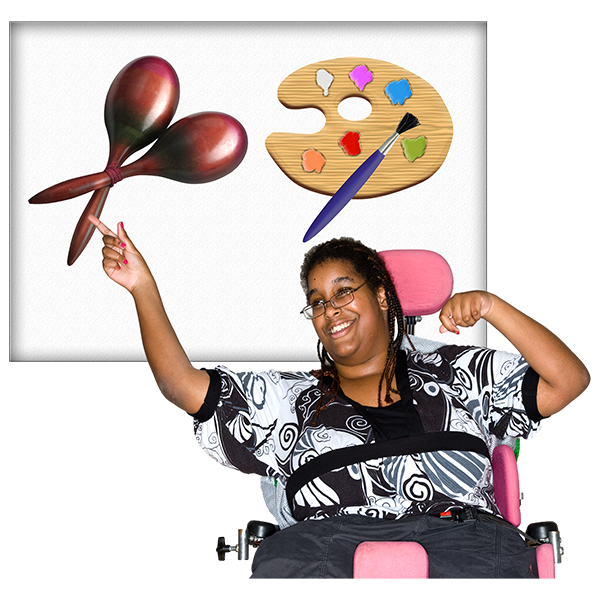 Independence means doing things on your own. Making your own choices.
Payment (PIP)
-
Disability Living Allowance
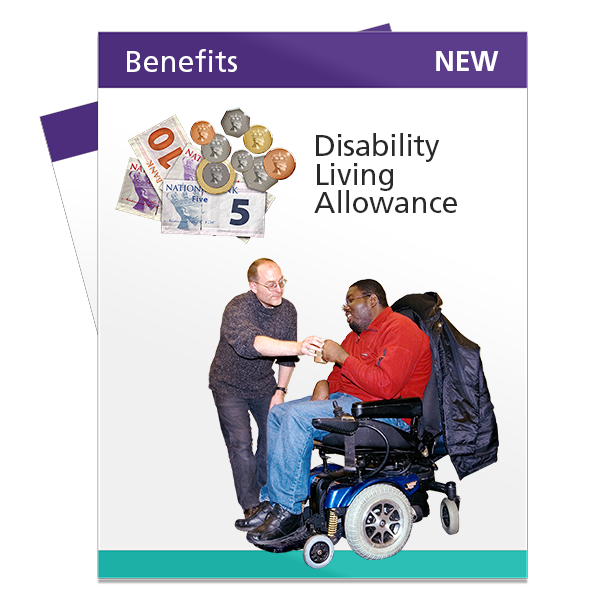 Disability Living Allowance (DLA) is the name of a benefit that some people with a disability get. The money is to pay for extra help you might need to look after yourself and to get around. Disability Living Allowance is being replaced by a benefit called Personal Independence Payment (PIP).
(DLA)
- Attendance Allowance
Wages
Wages are money your employer pays you for the work you do.
You are paid a set amount for each hour you work.
Money can be paid to you by:
- Bank transfer
- Cash
- Cheque
Money going out
Money you have going out is called expenditure. Expenditure is all the money you spend.
You spend money on the things you need like: rent or mortgage, gas and electric, water, food, travel, mobile phone.
You also spend money on the things you want like: holidays, takeaways, electronic gadgets, cinema ticket and days out.
Small spending can add up over time.
For example: If you bought a £1 chocolate bar every day, you would have spent £7 a week on chocolate bars.
£7 a week would total £28 a month on chocolate bars.
And £28 a month would total £364 a year on chocolate bars.
How to save money
We have information on ways to manage your money, and save on everyday expenses Expenses means the money you spend to buy things or pay for services. like food and energy.
Helpful tips
Write down everything that you spend in one week. It's good to know where your money is coming in and out. You might see some things that you didn't need to spend on.
Small changes can save a lot of money over time.
When buying something, ask yourself: “Do I need this? Or do I want this?”
How do savings impact benefits?
Your benefits can be affected by how much you have in savings. It is important to inform the Department for Work and Pensions The Department for Work and Pensions is sometimes called the DWP. It is part of the government and manages payments and benefits like Universal Credit, Personal Independence Payment, Employment and Support Allowance, and Income Support. ( DWP DWP stands for the government Department for Work and Pensions. ) if you have a changes in your income.

Questions and answers about money coming in and going out
Income is all the money you get.
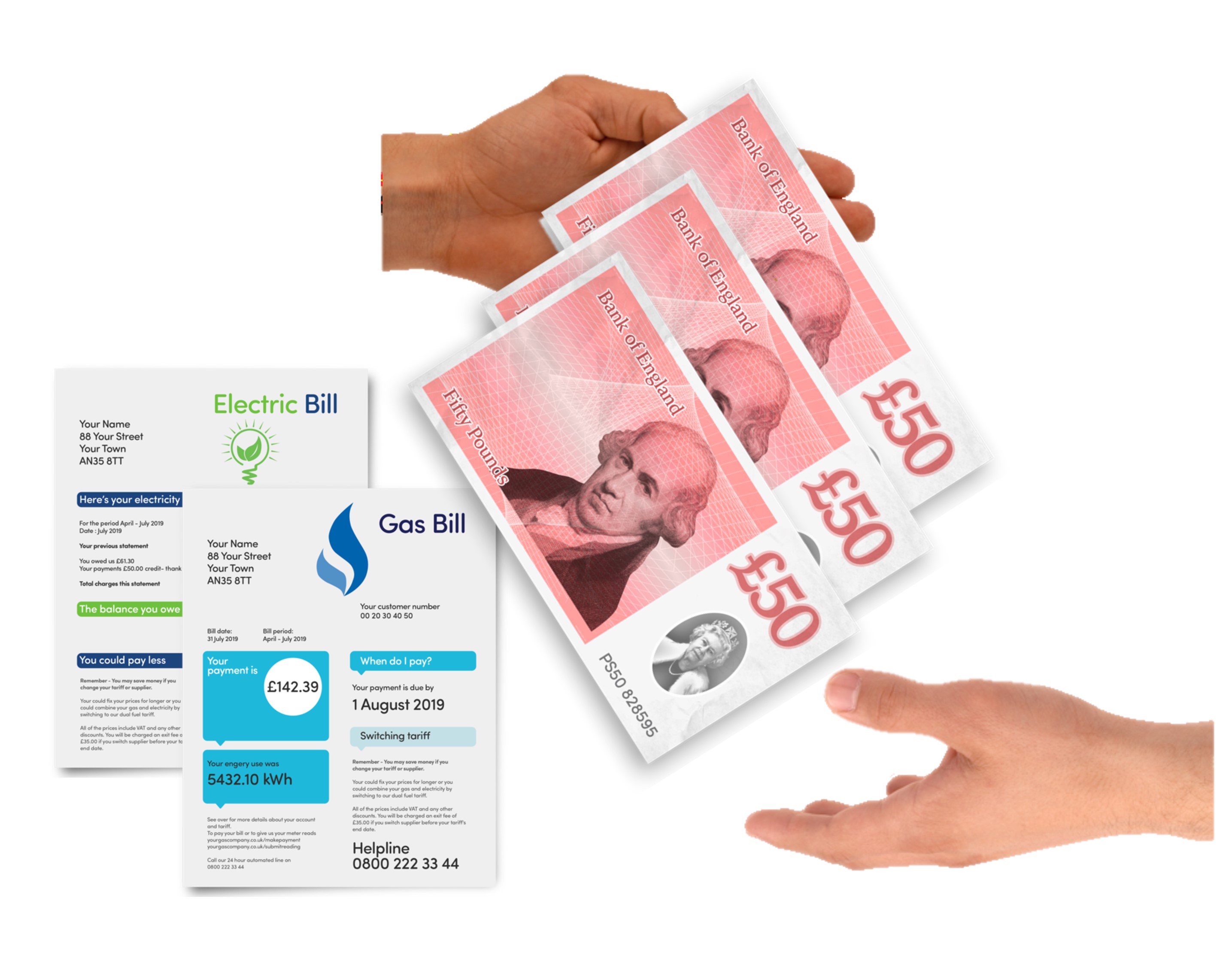
Expenditure is all the money you spend.
It's good to understand where your money goes as it can help you to make spending choices.
Teaching resources available to download
Thanks to support from BNY, our money resources are now available to download. These can be used to present or share with other people, providing them with important information about money, spending, budgeting, borrowing, debt, and scams.
Use the buttons below to download the PDF presentation materials.
 By Mencap