


A
budget
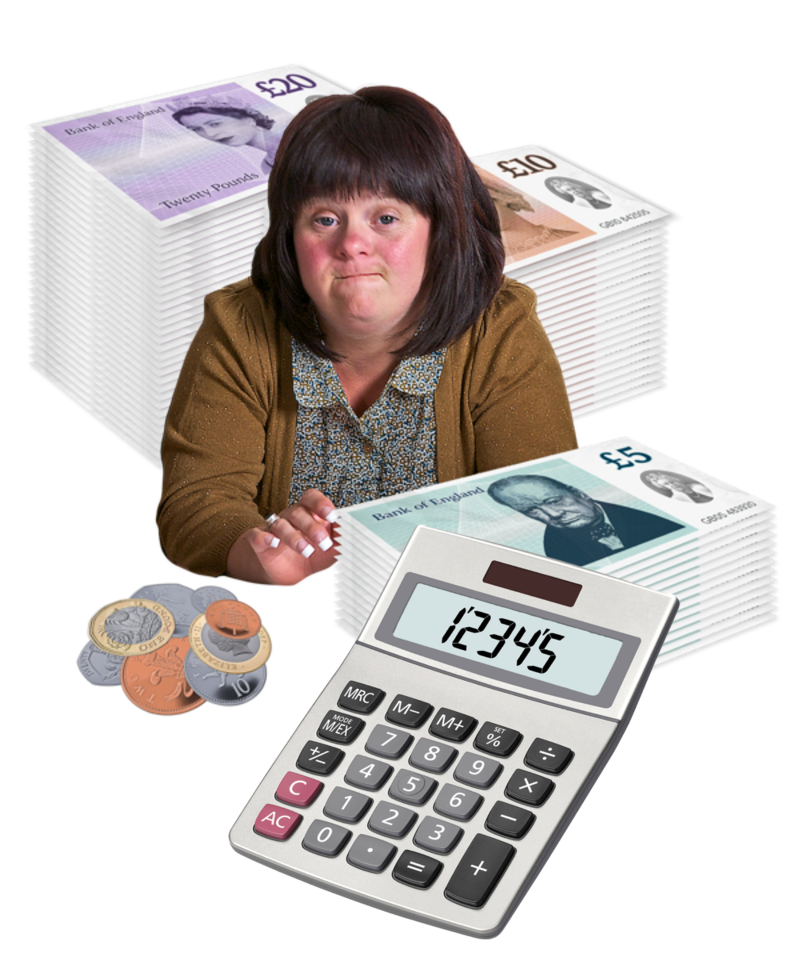 A budget is a plan where you look at how much money you have and how you will spend it.
is a money plan to help you pay for what you need, know what you can spend, and avoid money problems.
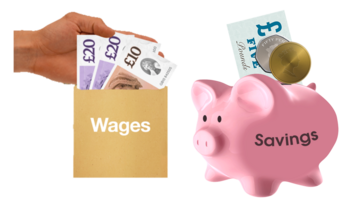
Saving means keeping money to spend later. You might save for things like a car or holiday.
What is a budget?
A budget is a plan for your money.
It can help you pay for the things you need and know how much you can spend. It will help you save and avoid owing money.
How to make a simple budget plan
- Look at your bank statement
- Write down all money coming in - this is your income Income is all the money you get from things like paid jobs and government benefits.
- Write down all money going out - this is your expenditure
- Take spending away from income - this shows how much you have left
- Wages £ + Universal Credit (UC) £ +
Personal Independence Payment
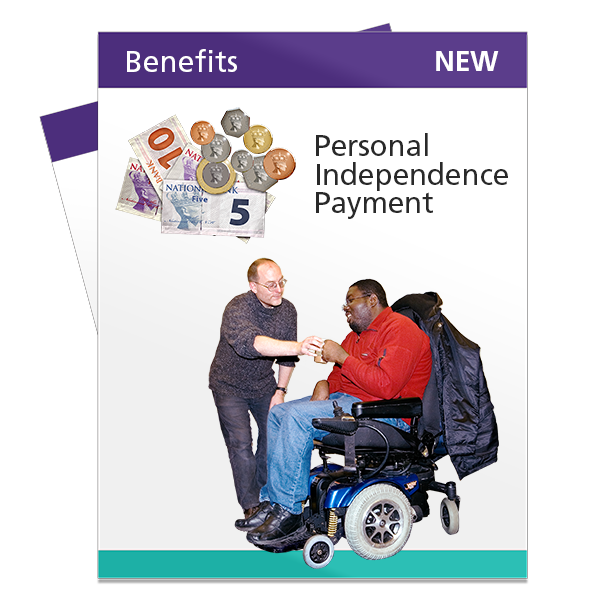 Personal Independence Payment (PIP) is the name of a benefit that some people with a disability or health condition get. The money is to pay for extra help you might need to look after yourself and to get around. Some people who used to get Disability Living Allowance (DLA) now get PIP instead.
(PIP) £ = Your total income
- Rent Rent is the money that you pay to live in your home when you have a tenancy agreement. Your home belongs to a landlord, but you have a right to live there as long as you follow the rules that are in your tenancy agreement. £ + Bills £ + Food £ = Your total spending
Your total income - your total spending = your money leftover
Example:
- £525.00 wages + £393.45 UC + £116.80 PIP= £1035.25 total income each month
- £560.00 rent + £219.50 bills + £175.00 food = £954.50 total spending each month
£1035.25 total income each month - £954.50 total spending each month = £80.75 money leftover
What is saving?
Saving means keeping your money to use in the future.
You might want to save for:
- A holiday
- A car
- A TV
- Something important
- An emergency

Financial emergencies
A financial Financial means anything that is to do with money. It is used to describe how people, businesses, or governments get money and how they use it emergency is something:
- Unexpected Unexpected means not knowing that something was going to happen.
- Important
- Urgent
For example: if your boiler breaks down and you need to pay to have it fixed to make sure you have heating and hot water.
Having savings can help in emergencies.
Saving money
How to save money:
- Make a budget so you know how much money you have left to spend or save
- Open a savings account so you keep savings separate from your spending money
- Set up a standing order to move money into your savings account each month
- Use apps that round up your spending, these small savings build up.
To help with day-to-day saving you can plan your meals and write a shopping list so you only buy what you need, compare prices in other shops and buy items that are on sale.
How to save money
We have information on ways to manage your money, and save on everyday expenses Expenses means the money you spend to buy things or pay for services. like food and energy.
Helpful tips
See if you can save a small amount each month. Even £1 or £2 helps and soon builds up over time.
It can also help to keep your savings in a separate account from your spending money.
Questions and answers about budgeting and saving
Saving any money is good. Being able to save small amounts will built up over time.
It is good to have some savings as they can help with emergencies.
By planning your meals and checking your spending regularly can help you stick to your budget plan.
Some means-tested benefits can be affected by your personal savings. These benefits include:
- Universal credit
- Housing benefit
- Income-related
employment
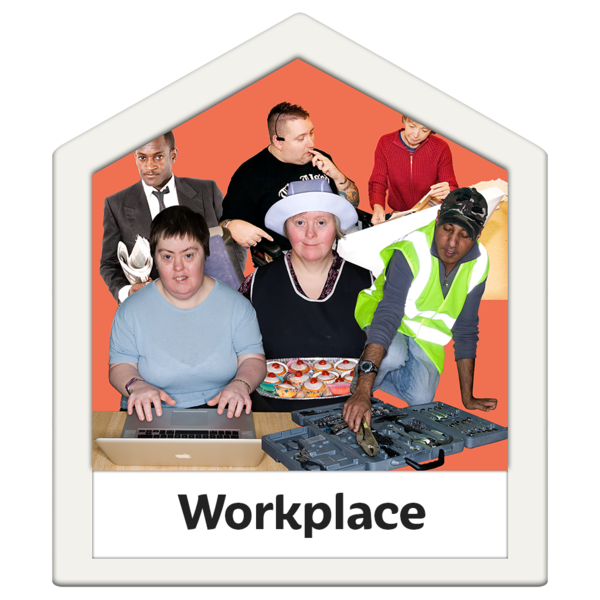 Employment means having a job.
and support allowance
-
Council tax
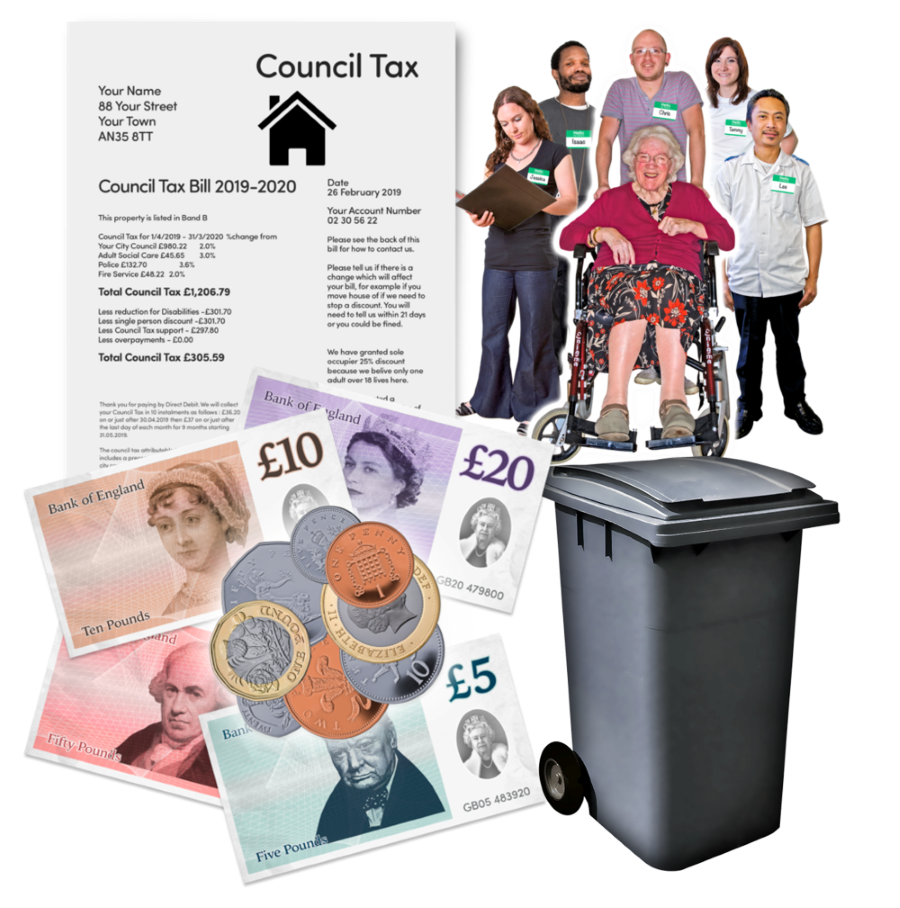 Council Tax is the money that people pay to the council. It helps to pay for things like social care (support for people), parks and dustbin collection.
support
-
Pension
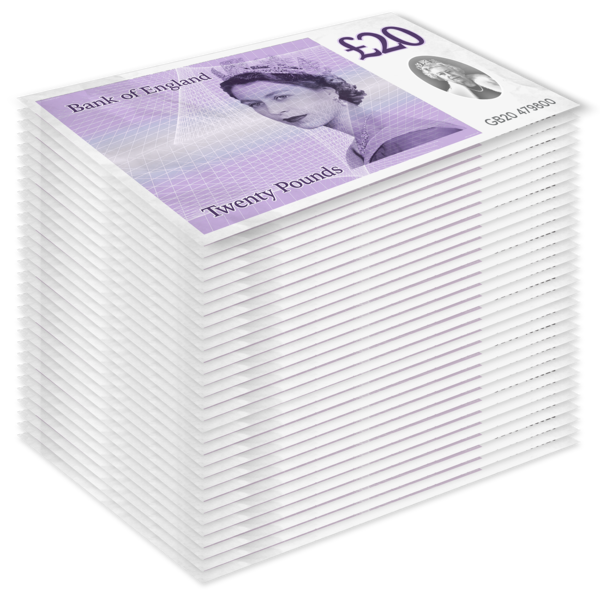 A pension is money you get when you are older to pay for the things you need. You can pay money into your pension when you are working so there is more money for when you are older.
credit
How much you have in savings can affect whether you’re eligible for benefits, and how much you receive in benefits.
If you're unsure, you can use an online benefits calculator to see what benefits you could be entitled to. Visit: