

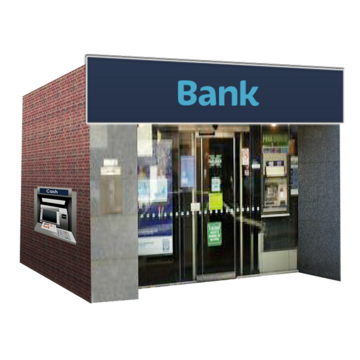
Banks may let you borrow money using a credit card or loan. This money must be paid back with more money called interest.
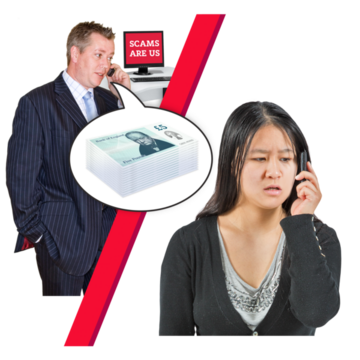
A scam is when someone tricks you to steal your information and money.
Borrowing, lending and giving
- Lending means giving money and expecting it back.
- Giving is when money is given as gift. It is not going to be returned.
- Borrowing is using money you do not have yet.
When you borrow from a bank or credit card, you pay interest. This means you will pay back more than you borrowed.
If you're unsure about money and borrowing - it is always best to talk to someone you trust first.
What is debt?
Debt is money you owe.
Before borrowing, it is important that you know:
- How much you will pay back
- When you must pay it back
- And how to pay it back.
Where to get help with debt
- StepChange: 0800 138 1111
- National Debtline: 0808 808 4000
- Mencap Learning Disability A learning disability is to do with the way someone's brain works. It makes it harder for someone to learn, understand or do things. Helpline: 0808 808 1111

A Debt Management Plan (DMP)
A Debt Management Plan (DMP) is a way to pay back money you owe based on what you can afford to pay back each month. Unlike an Individual Voluntary Arrangement (IVA) which is a formal, legally binding solution, a DMP is an informal, flexible arrangement to repay debts.
The debt charity StepChange will support you to set up a DMP.
They will work with you to make a
budget
 A budget is a plan where you look at how much money you have and how you will spend it.
that meets your needs. If a DMP is the right option for you, they’ll help you set up and manage your plan at no extra cost. The plan will allow you to pay your creditors at a reduced and reasonable rate, making it easier to stay on top of your
finances
 Finances are anything to do with money.
.
They speak directly with your creditors, so you don’t have to.
Alternatives to borrowing
Instead of borrowing, you could:
- Save up
- Wait until payday
- Buy a cheaper item
- Cut back on other spending
- Work more hours if you can
- Sell something you don’t need
If you are thinking about borrowing money, always speak to someone you trust first.
Keeping your money safe from scams
Anyone can be scammed. A scam is when someone tricks you to steal your money. Scams can happen by phone, email, text message, online and in-person.
Scammers may ask you for:
- Bank details
- PIN or passwords
- Personal information
Remember: a bank will never ask you for your PIN or password.
View our easy read guide on how to protect yourself from scams.
Top tip: don't answer a call if you don't know the number or are not expecting a call.
What to do if you are scammed
- Stop talking to the scammer
- Tell someone you trust
- Contact your bank straight away
- Report fraud online or by calling 0300 123 2040.
Money mules
A money mule is someone that lets a criminal use their bank account to receive and send money.
This is a serious
crime
 A crime is when someone does something wrong and breaks the law.
. Never let anyone put money into your account or ask you to send money on, even if they say you can keep some of the money.
Questions and answers about borrowing and keeping money safe
No. If you borrow money, you will always pay back more.
If you are unsure, stop and ask someone you trust.
Do not feel rushed into giving information or clicking a link in an email.
If you feel worried about money it is always best to speak to someone.
Your bank is there to help you, you can call them for help. There are also debt charities and support helplines.