
What is the learning disability register?

The learning disability register is a list of people with a learning disability that most doctors surgeries have. It helps the doctor’s surgery know who may need extra health support.
Mencap's I'm In campaign A campaign is when people work together to try to change something. aims to spread awareness of the learning disability register.
How to use this advice tool (Easy Read)
We have made Easy Read instructions on how to use this tool to find the things you want to know about.
Read the instructionsHad you heard about the learning disability register before?
About the learning disability register
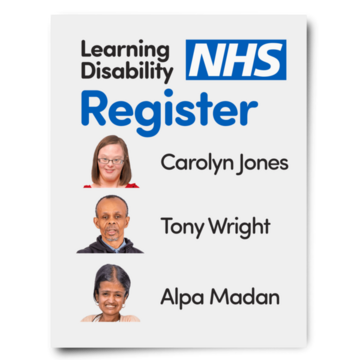
The
learning disability register
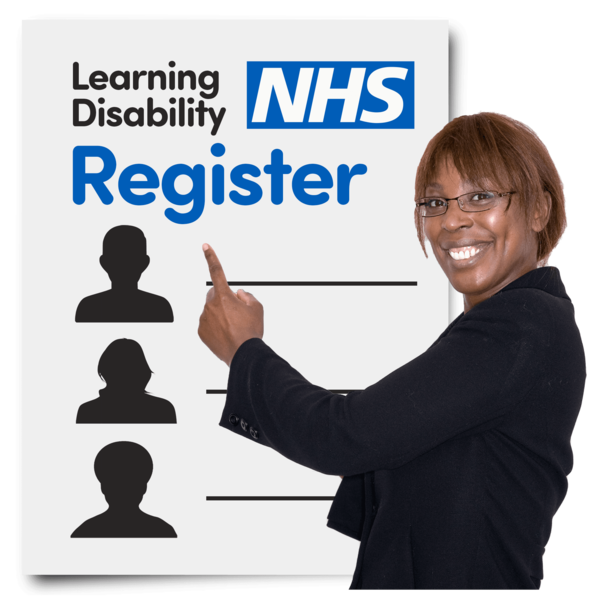 The learning disability register is a list of people with a learning disability that the doctor’s surgery looks after.
is a list of people with a
learning disability
A learning disability is to do with the way someone's brain works. It makes it harder for someone to learn, understand or do things.
that the doctor’s surgery looks after.

Most doctor’s surgeries have a learning disability register.
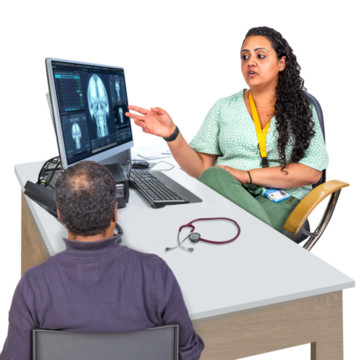
You do not need an official diagnosis A diagnosis is when a medical professional like a doctor has said you have a certain illness or condition. to go on the learning disability register.
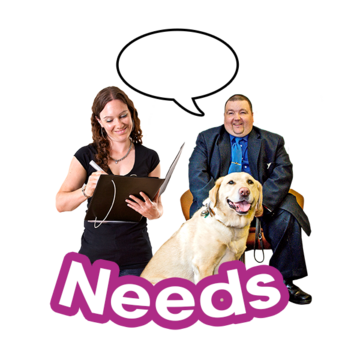
The learning disability register helps the doctor’s surgery know who may need extra health support.
How to join the learning disability register
You need to ask your doctor to add you to their learning disability register.
To help you do this we've created a tool that builds a letter for you to send to your doctor.
We're on a mission to spread awareness of the importance of joining the learning disability register
Important announcement
Wes Streeting MP, Secretary of State for Health and
Social Care
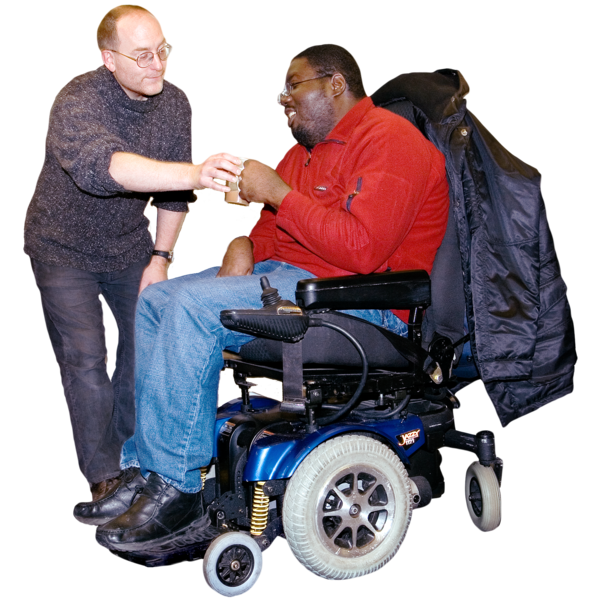 Social care means the services that give care and support to people who need it.
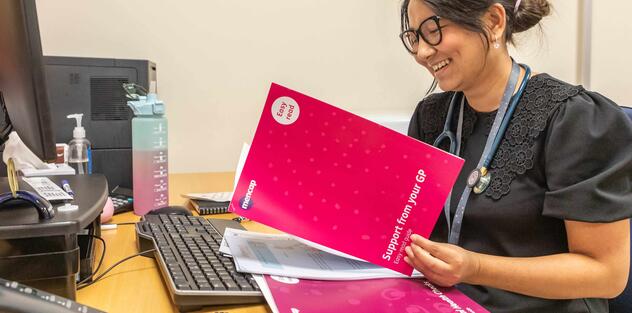
, and Ismail Kaji, Mencap’s Parliamentary and Government Engagement Officer have written a letter to all health staff working in a GP surgery to help tackle the health inequalities that people with a learning disability face.
It highlights the importance of the learning disability register, annual health checks, good health action plans, and
accessible
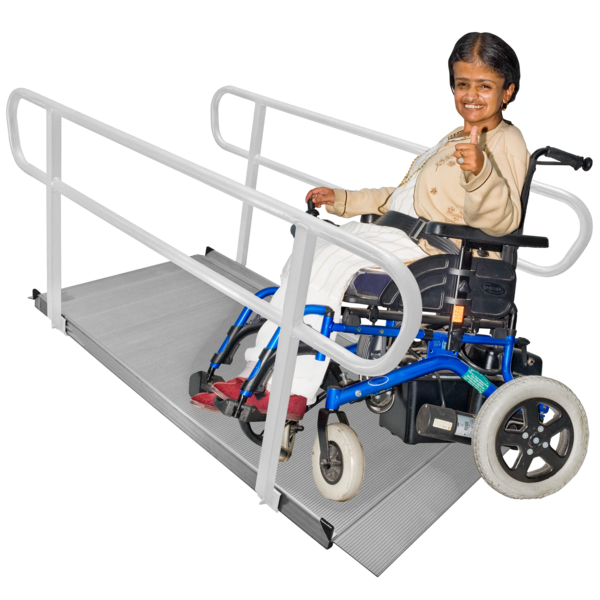 Accessible means something is easy for people to use or join in with. For example: Accessible writing means the writing is easy to read and understand.
information within GP surgeries and explains what 'good' looks like.



Are you on the learning disability register?
Find out more about the importance of joining your GP learning disability register by watching our video.
Annual health check invite
People on the learning disability register may be able to have a free Annual Health Check.
Annual health checks are for people with a learning disability who are over 14 years old. They happen every year and can help you stay healthy.
When you are on the learning disability register, your doctor’s surgery should invite you for an annual health check every year.
For more information, see our page about annual health checks.
Free flu jabs
People on the learning disability register and their carers can get a free flu vaccine A vaccine is medicine that helps your body to fight an infection in the future. .
You can ask your doctor's surgery or pharmacy for advice about the flu jab.
For more information, see our page about vaccines.
Who can get on to the learning disability register?
People of any age and with any learning disability can join the learning disability register.
You can be on the register, even if you live on your own or do not get much support in your everyday life.
Lots of people are missing from the learning disability registers, so it is a good idea to check you are on it.
If you are not on the learning disability register, it may mean the doctor’s surgery do not know you have a learning disability.
You do not need to have a formal diagnosis of a learning disability for the GP to add you to the learning disability register.
The GP may ask you questions about your learning disability and how it affects your everyday life. The GP can add you to the learning disability register if they think you would benefit from being on it.
The Government has sent this letter to GPs about the learning disability register. You could show this letter to your GP to help them understand more about the learning disability register and health support for people with a learning disability.
How do I get on the learning disability register?
Contact your doctor's surgery
First, you, a family member or carer, should contact your doctor's surgery to make sure you are on their learning disability register.
To help with this you could use our letter building tool which creates a letter for you. The tool can also send the letter to your surgery for you by email, or you can choose to download it and print it out for posting.
Check if you're already on the register
The receptionist may not be able to check if you are on the learning disability register.
You may need to make an appointment to talk about the learning disability register and if you can be added.
Explain how your learning disability affects you
At your appointment, it may be helpful to tell them about your learning disability and the kind of support you need.
You could also talk to them about the reasonable adjustments and support you need to make it easier to book an appointment and visit the doctor’s surgery.
You may prefer to use the words ‘learning difficulties’ when you talk about your disability.
It is your right to speak about yourself as you choose, but some doctor’s surgeries may not understand what you mean.
They may think learning difficulties just means finding it hard to read, write or use numbers.
It may be extra important for you to be able to explain the kinds of things you need support with - so they know to add you to the register.
Questions and answers about the Learning Disability Register
You do not need to have a formal diagnosis of a learning disability for your GP to be able to add you to the Learning Disability Register.
You do not have to get any disability benefit payments or support from social services to be on the learning disability register.
The GP may ask you questions about your learning disability and how it affects your everyday life.
It may be helpful to mention things like getting extra support at school, any benefits or support you get, things you need help with day to day or things you find hard about going to the doctor’s surgery.
The GP can add you to the learning disability register if they think you would benefit from being on it.
The Government The Government are the people who run the country. They decide how much tax people should pay for things and how things like the National Health Service should work. has sent a letter to GPs about the learning disability register. You could show that letter to your GP to help them understand more about the learning disability register and health support for people with a learning disability.
Yes, you can ask the receptionist at the doctor’s surgery. However, not all receptionists will know about the learning disability register and may not be able to check it.
You may need to book a doctor’s appointment to check.
No, you do not have to take any tests to be added to the learning disability register.
Anyone of any age, and any level of learning disability can be on the learning disability register.
You can be on the register even if you live independently and have little or no support in your day-to-day life.
Only people aged 14+ can get a free learning disability annual health check.
No, you do not have to get support from social services to be on the learning disability register.
The learning disability register is different from the list of people who receive social care support.
No. Just being on the register does not mean you will get all the support you need. Everyone with a learning disability is different and will need different levels of help and support.
When you visit your doctor, you can talk about the reasonable adjustments you need, such as a longer appointment or Easy Read Easy Read is a way of making written information easier to understand. Pictures are usually added next to the writing. information.
Yes.
You, or the person you support can ask to join the learning disability register at a young age. This can also help put any support in place before moving onto adult services.
Reasonable adjustments are small changes that can be made by your doctor or healthcare staff to help people with a learning disability be treated equally.
It is your right to ask for reasonable adjustments. Being on the learning disability register does not mean you will automatically get reasonable adjustments, although it might help them to know you are more likely to need support.
Speak to the doctor's surgery about the support you need separately.
If you are on the learning disability register and aged 14+ you can get a free Annual Health Check.
You can ask your doctor’s surgery if you can have an Annual Health Check, and can bring someone with you if you like.
An Annual Health Check is done by your doctor or nurse once a year and helps you stay healthy.
For more information visit our Annual Health Check page.
Yes,
NHS
The NHS is the National Health Service. The NHS gives free healthcare to everyone in the UK and includes things like your GP (doctors) surgery and hospitals.
England has produced some
guidance
Guidance means being given clear instructions to be able to do something well.
for GPs on the England NHS
website
 A website is a page you can go to on the internet like Google or YouTube.
.
The I'm In campaign is based on getting more people in England on the learning disability register. However, there is information on what’s happening in Wales, Scotland and Northern Ireland:
In Wales, GP surgeries are encouraged to hold a register of people with a learning disability, and offer annual health checks to those on the register.
In Northern Ireland, GP surgeries are encouraged to offer annual health checks to all people with a learning disability aged 14 and over.
In Scotland, health boards are responsible for holding a list of people who have a learning disability and offering an annual health check to people on this list.
The learning disability register is a list of all the patients in the GP surgery.
Practices should offer all the people on the list an annual health check, but they do not have to.
GP surgeries have to offer people with a learning disability reasonable adjustments whether they are on the register or not, this is the
law
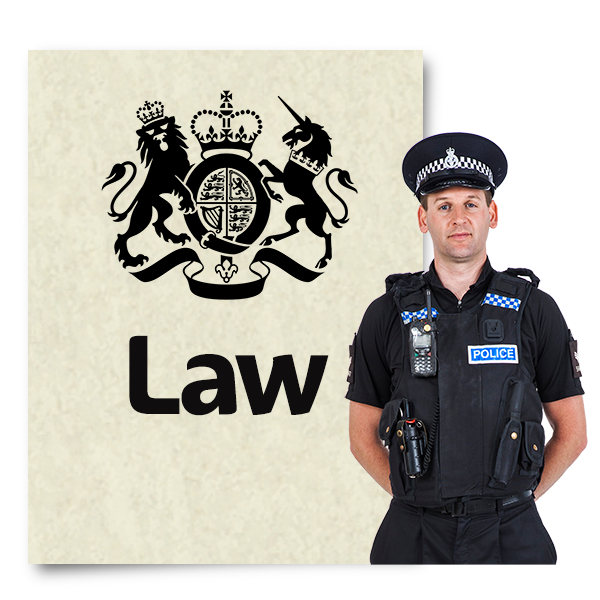 Laws are the rules that everyone in the country has to follow. If you don't follow the rules you can get in trouble with the police.
. But we know that GP surgeries and the people who work in them do not always get this right.
Many people who work in GP surgeries may not know enough about yet about how to support people with a learning disability.
There is lots of work to do and that’s one of the reasons that Mencap is still campaigning on health.
If you feel comfortable, you could talk to your GP or someone else in the GP surgery you trust about anything you are finding hard, what reasonable adjustments you need, and whether you feel you need more support with your health, such as wanting an annual health check or a health action plan.
Other people you could ask to help you speak to the GP surgery:
- A learning disability nurse in the Community A community is the people and places in an area. Learning Disability Team
- Your support provider if you have one
- An
advocate
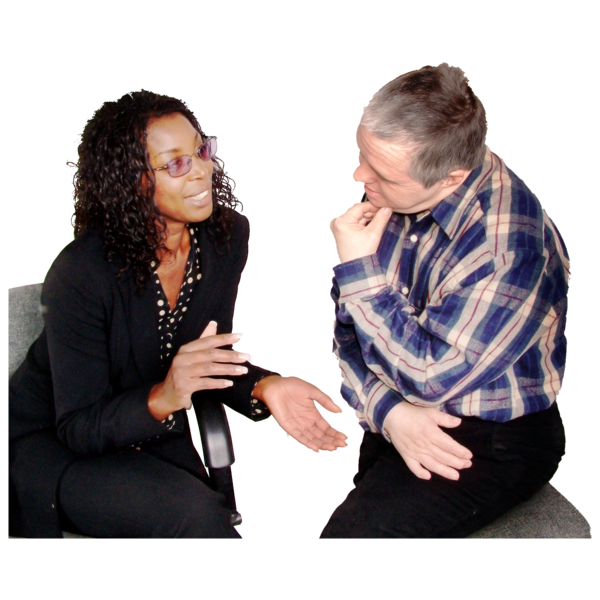 An advocate is a person who can help you have your say. An advocate can speak up for you if you find it hard.
- You could also call the Mencap helpline
It is OK to say if you are finding it hard or needing more support from your GP surgery.
It is OK to ask to see a different GP or nurse if you are struggling to get your needs met.
If you still feel you are not getting what you need, you might want to make a complaint. There are advocacy services in every area of England that can support with this.
If you are really unhappy with your GP surgery you can also move to a different one.
The learning disability GP register is for people with a learning disability, to find out more about what it means to have a learning disability, read our guide.
If you have a learning disability, or think you might have a learning disability, don’t give up! We know that GP surgeries don’t always get this right. It may be helpful to talk to your GP surgery more about your support needs if they do not understand you have a learning disability.
We have made a PDF which may help you talk to your doctor about your learning disability.
A Learning Disability Register Inclusion Tool from Leeds Learning Disability Service could help your GP to talk to you about your learning disability and understand why you would benefit from being on the learning disability register.
If you are still having problems, you could ask to talk to someone else in the GP surgery you trust, or the GP Surgery
Manager
 A manager is a boss at work. They tell you what you need to do and give you support if you need it.
.
Other people you could ask to help you speak to the GP surgery:
- A learning disability nurse in the Community Learning Disability Team
- Your support provider if you have one
- An advocate
- You could also call the Mencap helpline.
Whilst some people with a learning disability are also neurodiverse (have ADHD or are autistic) or have a learning difficulty (e.g.
dyslexia
 Dyslexia is a learning difficulty. People who have dyslexia can find it hard to read, write and spell.
or dyspraxia) these are not a learning disability. A learning disability refers to a reduced intellectual ability and difficulty with everyday activities. If you do not have a learning disability, the register may not apply to you, but you can still ask your GP to make reasonable adjustments and flag these on your record if you need them.
The Learning Disability Helpline
Our free helpline service offers advice and support for people with a learning disability, and their families and carers.