
 By Mencap
"If you've ever wondered how to navigate a dual diagnosis, I'd like to tell you a bit about our story.
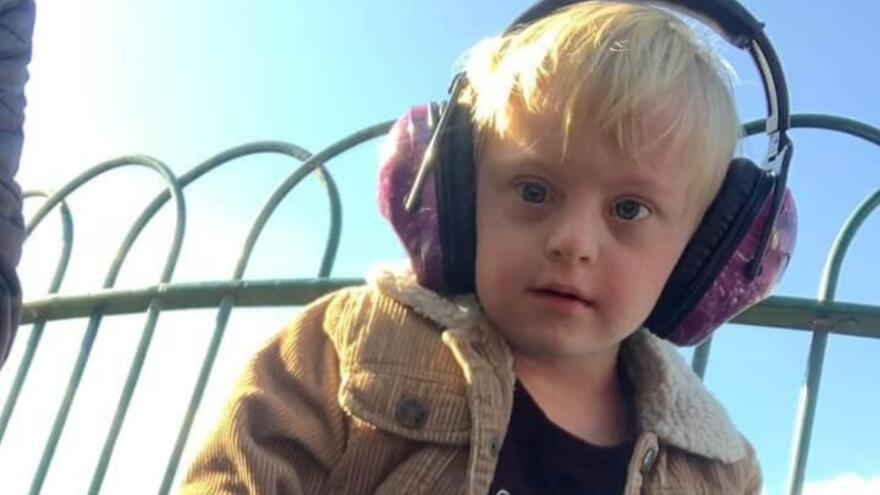
My 9 year old son has
Down syndrome
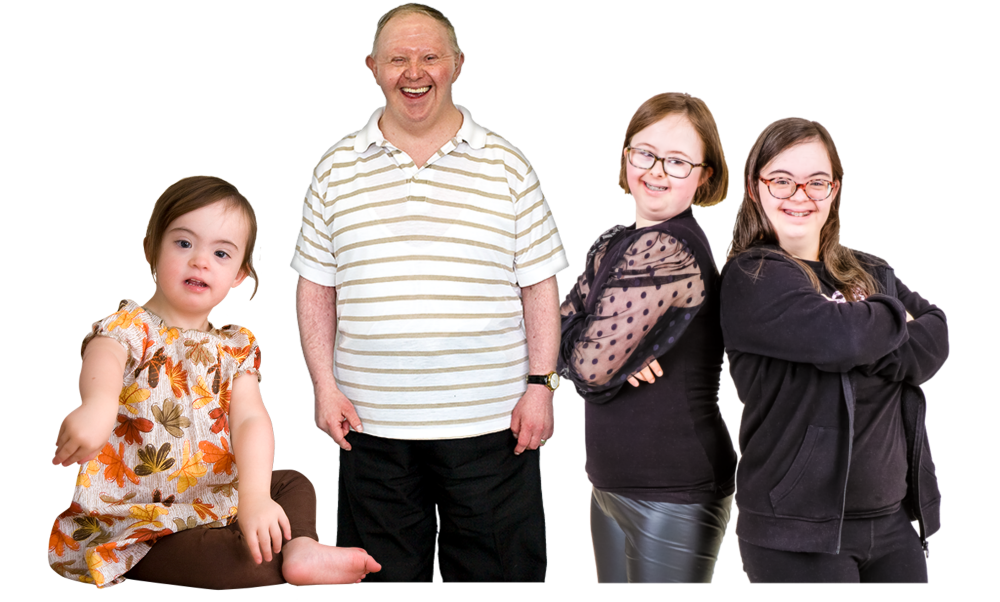 Down syndrome, also known as Down's syndrome, is a type of disability. People with Down syndrome may find it hard to learn new things and may need support. They may have more problems with their health too.
, ADHD, and is autistic. Getting to that full picture took years of pushing and waiting. But understanding it changed how I saw everything that had come before.
Learning to see the full picture
A few years ago, when my son was little, we went on holiday to the Cotswolds with a group for children with Down syndrome and their parents. The other children, toddlers to teens, lounged around playing on tablets or coloured in. Meanwhile my son spent the whole time trying to run out of doors and up the stairs, or lying spread out on the floor. I ended up taking him to a separate playroom just to burn off his energy.
Looking back, it makes sense. Being around too many people is too much for him. He craves a safe space away from the noise, and he has to give in to his impulses. At the time I just knew something was different.
I tried again at a kids Christmas party run by a group for parents of kids with Down syndrome. He swept all the crayons and paper off of the tables and pulled out the lucky dip all over the floor. He was like a whirlwind, and even though other parents were kind, I ended up in tears. We were in the spotlight in a small space, and it was hard.
Getting a dual diagnosis
It was a battle to get my son assessed for
autism
 Autism is a disability. Autistic people find it difficult to understand what other people think and feel. They also find it difficult to tell people what they think and feel. Everyone with autism is different.
and ADHD. One reason is something called diagnostic overshadowing, where professionals assume everything is due to an existing diagnosis and they miss what else might be going on. On top of that, they wouldn't assess him until he was 7, then there was a year's waiting list too.
Listen to your gut and push for assessment
My advice: listen to your gut. Children with dual diagnoses don't always fit the typical criteria, but experts can still identify the differences. Push for assessment
An assessment is a way of finding out what help a person needs. When you have an assessment, you might have to go to a meeting or fill in a form. . Don’t take their first answer. Seek the opinion of multiple professionals if you don’t agree with what you hear. Nobody knows your child like you do.
Overcoming day-to-day challenges
Even with all the obstacles, there are moments where I can’t help but laugh. A speech and language therapist assessed his imagination by modelling feeding a toy baby. My son took the baby, turned around and threw it head-first straight into the bin. Finding joy in these little moments is important, as it makes them who they are. You can't dwell on what they can't do or be all the time, it’s better to focus on what they can, and who they are.
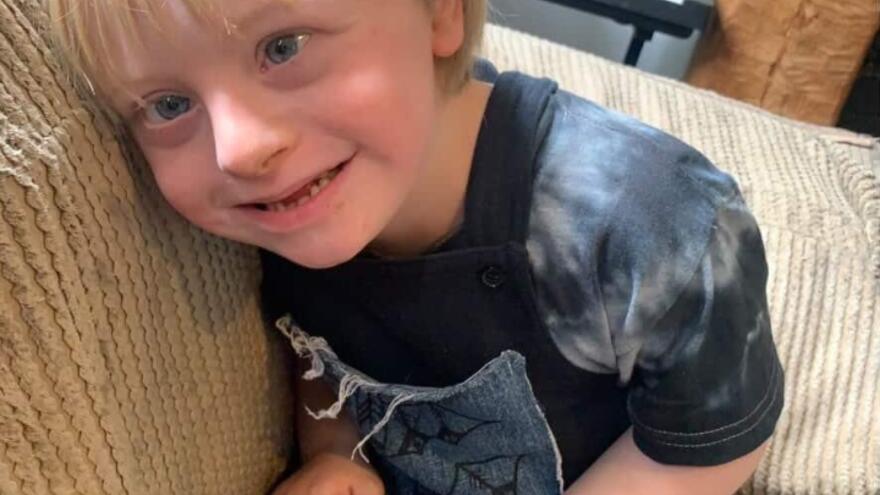
I liken dual diagnosis to a cake mix. Add your child's personality, a bit of each diagnosis, and their environmental input, and that's what you get. My son is a natural joker and his ADHD amplifies that in a wonderful way.
It hasn't always been easy. Visiting family and friends used to be difficult because of his urge to throw things or run off, though it has calmed down a bit as he's got older. We've recently started ADHD medication, something I was apprehensive about at first, but it's helping to keep him safe and help me manage my energy, which is important as a single parent.
School was difficult until it wasn't. Three years in mainstream school meant he was kept alone in another part of the classroom, and everything he did or needed seemed to be a big issue to them. Moving to a Special Educational Needs (SEN) school was a breath of fresh air. Staff who were kind and enthusiastic, a place where my son wasn't a problem but was celebrated.
He's 9 now, loves school, and does music, Lego therapy, and taekwondo.
Gaps still remain
Even though things are going much better these days, we still hit walls. Every school holiday my son receives vouchers for the Holiday Activities and Food (HAF) programme, and every single time there is no suitable club for him to attend. There is no accounting for children like him - those who are at risk of running off without warning, have no sense of danger, and need 1-to-1 support. One year I paid £55 a day privately just so he could spend a few hours around other children.
The same gaps exist around breakfast clubs and after-school wraparound care, which affects any real chance of me returning to full time work. A recent rare night out cost me £120 for a babysitter. These things add up, and they matter.
Finding your community
My son presents primarily as autistic with a blend of other characteristics. He tends to shut down rather than melt down, but he's sociable, he uses eye contact, with impulsive ADHD moments woven in. Your child may present completely differently. Dual diagnosis isn't a simple thing, everyone is different.
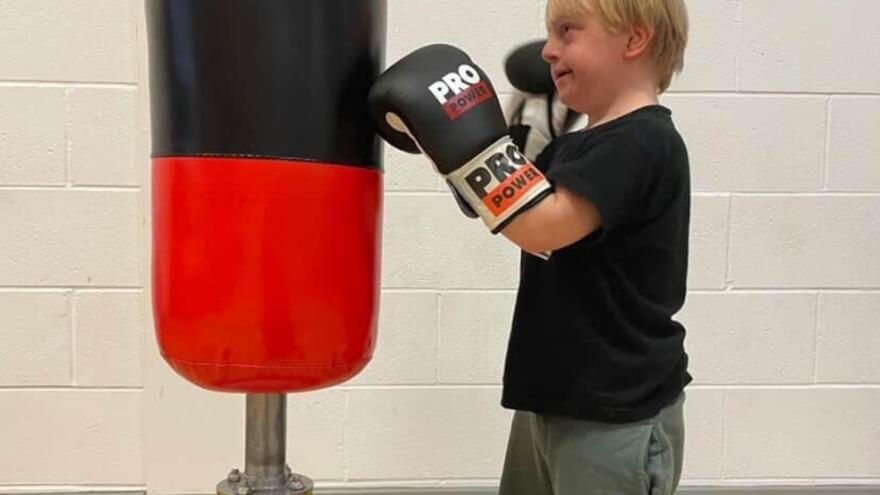
It might be easy to assume that because his Down syndrome is his most visibly prominent condition, that it defines what his care and social activity should look like. But for us, that has just not been the case. After a lot of trial and error we have found attending events designed for autistic children suits my son more, and we fit in far better. We no longer feel judged. You will find your tribe, you've just got to test a few out first.
My son needs a lot of care, but he's taught me how to live in the moment and to have more empathy for others who are vulnerable Being vulnerable means being at risk of harm, or that you need special care because of your age or disability. . I don't think a single diagnosis could have done that in quite the same way, and I wouldn’t change him for the world.
This blog was cowritten with
advocate
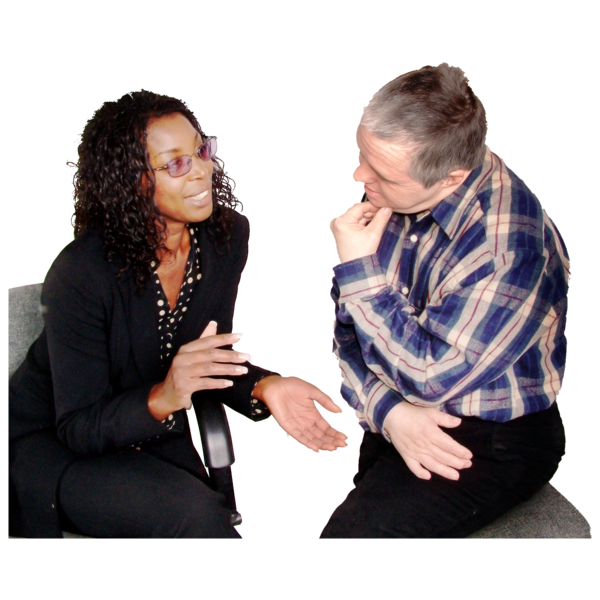 An advocate is a person who can help you have your say. An advocate can speak up for you if you find it hard.
and influencer @the.sen.vibe.check.
Thank you to the National Lottery Community Fund for their generous grant, funding this work.