
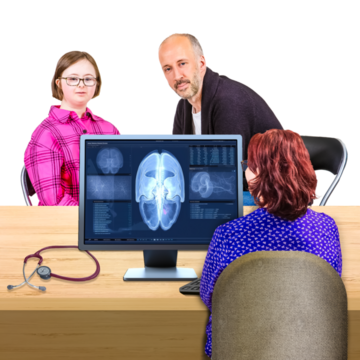
Some parents will get told their child has a learning disability A learning disability is to do with the way someone's brain works. It makes it harder for someone to learn, understand or do things. after they are born.
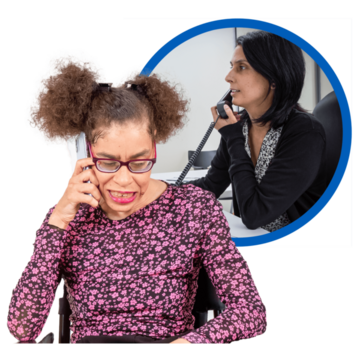
You might notice signs of a learning disability and want help to get your child a diagnosis A diagnosis is when a medical professional like a doctor has said you have a certain illness or condition. .
A learning disability diagnosis after a child is born
Some parents will receive a diagnosis after their child is born. A learning disability diagnosis could be due to:
- something that developed before birth
- something during birth - for example if the baby did not get enough oxygen, or was born too early
- a childhood illness or physical accident during early childhood.
Spotting the signs
The early signs of a learning disability can be difficult to spot, but may include the following:
- babies may have trouble feeding, for example sucking and digesting
- babies may be delayed learning to sit or stand
- pre-school children may be slow to talk or have difficulty pronouncing words and short sentences, or learning new words
- school-aged children may find reading and writing difficult or have problems understanding information and instructions
- some children discover they have a learning disability when they become teenagers and their life becomes more complex, with new emotions and responsibilities.
Getting a diagnosis
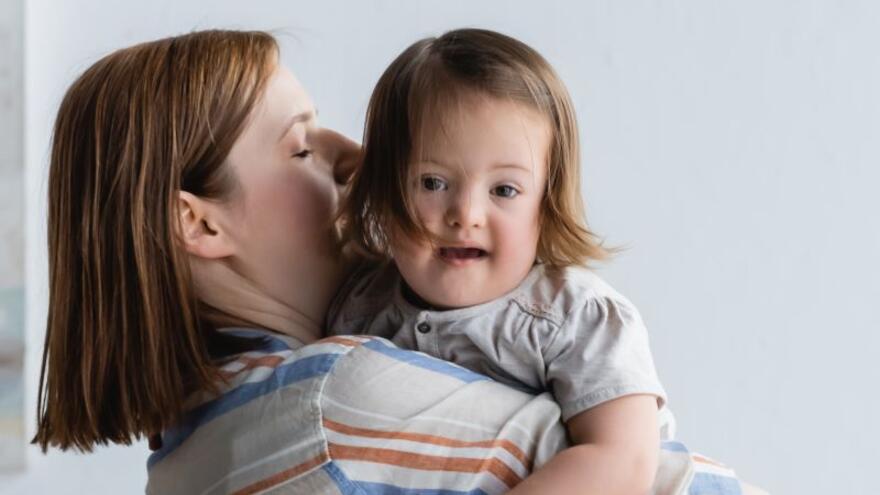
A GP usually makes a diagnosis of a learning disability, but it is often parents or teachers who first become aware that a child is having difficulties in certain Certain means you are sure about something. areas.
A learning disability may be diagnosed in various ways, such as:
- At a developmental check. All children have checks to monitor their growth rate and highlight any health problems. Health visitors and GPs will also look at what age the child is reaching their development milestones, such as learning to talk and developing physical skills.
- Through psychological checks. These tests look at the child’s ability and compare it with what is considered typical for a child of that age.
- Being identified by your child’s teacher.
- A clinical psychologist may be able to diagnose an adult’s learning disability, by assessing their level of understanding.
For some parents getting a diagnosis can be a struggle. Professionals can be confused by some characteristics of learning disability, and even experts can struggle to make an accurate diagnosis.
Healthcare support
Getting the support of your health visitor and GP is often the first step. If your child has not received a diagnosis but you have concerns about their development you should contact your GP, who should be able to offer advice and refer you to a specialist if necessary.
Some parents might never receive a diagnosis, or may be told their child has global developmental delay. This is a difficult term to understand, but it indicates that a child will take more time to reach milestones in many areas of their development.
Questions and answers about getting a disagnosis
A diagnosis means a doctor or health worker has identified that your child has a learning disability.
You might notice things like delays in feeding, sitting up, talking, reading or understanding things.
If you're worried about your child’s development, it's best to speak to your GP or health visitor to get their advice.
A GP or health visitor can start checks to identify signs of a learning disability, and a doctor may give a diagnosis. Teachers can also notice difficulties and talk to you about them.