
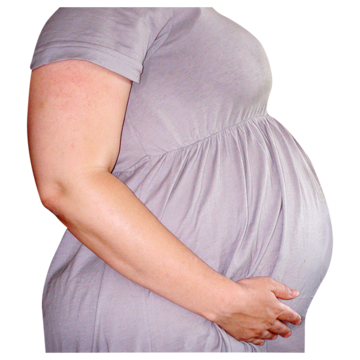
During pregnancy, some tests can check whether a baby might have a learning disability A learning disability is to do with the way someone's brain works. It makes it harder for someone to learn, understand or do things. or genetic condition.
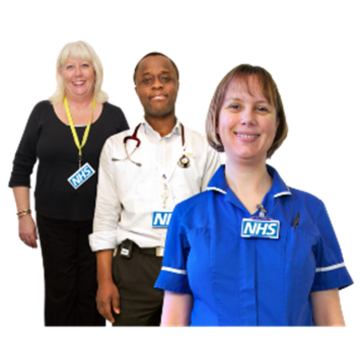
You can get support, information, and genetic counselling to help understand test results and make choices that are right for you.
Tests during pregnancy
In some cases, a learning disability may develop before birth. This could be due to:
- the baby suffering damage to the brain or spinal cord
- the mother having an accident or illness during pregnancy
- a genetic condition developing during pregnancy.
Pregnancy screening tests
Screening for
Down syndrome
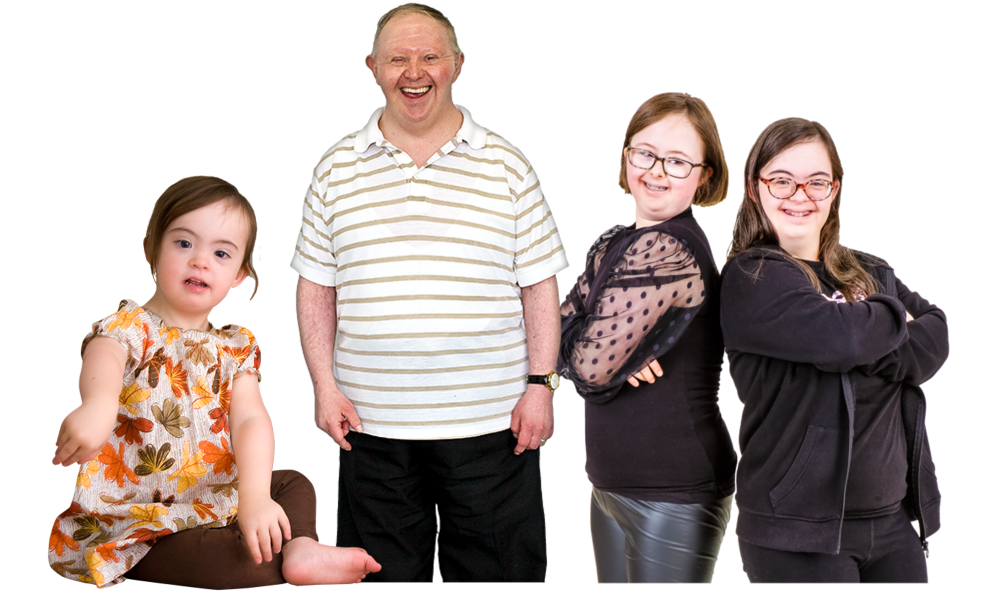 Down syndrome, also known as Down's syndrome, is a type of disability. People with Down syndrome may find it hard to learn new things and may need support. They may have more problems with their health too.
, Edwards' syndrome and Patau's syndrome is offered if you're pregnant. It's usually done when you're between 10 and 14 weeks pregnant.
Down syndrome, also known as Down's syndrome, is a type of disability. People with Down syndrome may find it hard to learn new things and may need support. They may have more problems with their health too.
, Edwards' syndrome and Patau's syndrome is offered if you're pregnant. It's usually done when you're between 10 and 14 weeks pregnant.
You can choose to check for all 3 conditions, Down syndrome only, Edwards' and Patau's syndromes only – these are done as a joint test, or none of the conditions.
The tests cannot say for certain Certain means you are sure about something. whether your baby has a condition. It tells you if your baby has a lower or higher chance of having the condition.
If your baby has a higher chance of a condition, you'll be offered a diagnostic test that gives a more definite "yes" or "no" answer.
Family planning
If you want to start a family but have concerns about existing genetic conditions, you can contact a genetic counsellor through one of the regional genetic centres across the UK.
Some pregnant women are offered extra tests, in addition to regular antenatal check-ups and ultrasounds, if there are concerns about their baby's development. These extra tests include Amniocentesis and Chorionic Villus Sampling (CVS).
Amniocentesis
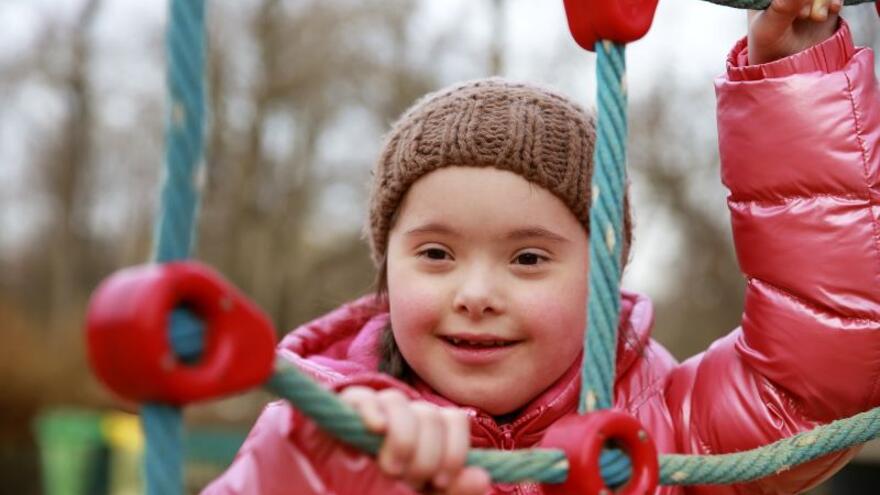
Amniocentesis is a test that takes place during pregnancy to check on a baby's progress, and to see whether they are likely to develop one of a number of genetic conditions.
The test is usually recommended for women over 35. It may also be recommended for women who have already had a child with a disability.
Chorionic Villus Sampling (CVS)
CVS is another test that can detect certain genetic conditions. It is an alternative to amniocentesis and can be carried out at an earlier stage of pregnancy.
All tests carried out during pregnancy have risks, so it is important to talk to your doctor and think carefully when deciding whether or not to go ahead.
If tests discover anything, there may be the possibility of early treatment while the baby is still in the womb. Parents have the right to choose to continue with the pregnancy or have a termination.
Support and advice
We're here for you - the Mencap Learning Disability Helpline is our free help and advice line.
Our team can offer advice, information and discuss what support Mencap can offer tailored to your needs, in your area.
Or visit the Positive About Down Syndrome
website
 A website is a page you can go to on the internet like Google or YouTube.
that offers support for parents and parents to be.
A website is a page you can go to on the internet like Google or YouTube.
that offers support for parents and parents to be.
Questions and answers about diagnosis during pregnancy
Screening tests can help find out if there is a higher chance of a health problem.
The screening tests offered during pregnancy in England are either ultrasound scans or blood tests, or a combination of both.
Blood tests combined with scans can help find out how likely it is that the baby has Down syndrome, Edwards' syndrome or Patau's syndrome.
Screening tests cannot harm you or the baby but it is important to consider carefully whether or not to have these tests.
Some screening tests in pregnancy can lead to difficult decisions for you.
If diagnostic tests show your baby has a condition, this can lead to a decision about whether you want to continue or end the pregnancy.
Having a further test or ending the pregnancy will always be your decision, and healthcare professionals will support you whatever you decide.
It's up to you whether or not you choose to have screening tests in pregnancy.
No – it's up to you whether you have a screening test. It's a personal choice that only you can make.
Screening tests for Down syndrome, Edwards' syndrome and Patau's syndrome cannot say for certain whether your baby has the condition. It tells you if your baby has a lower or higher chance of having the condition.
If your baby has a higher chance of a condition, you'll be offered a diagnostic test that gives a more definite "yes" or "no" answer.