
Supporting families through a learning disability diagnosis – a resource for parents

Supporting families through a learning disability diagnosis – a resource for parents
Having access to the right specialist support and health information is fundamental to the best outcomes for the whole family. And it is vital that this information is communicated in an appropriate way.
For most people with a learning disability A learning disability is to do with the way someone's brain works. It makes it harder for someone to learn, understand or do things. , their health and wellbeing journey begins in childhood with a diagnosis A diagnosis is when a medical professional like a doctor has said you have a certain illness or condition. . It is at this point that we can start challenging and reducing the inequalities that people with a learning disability face. That is why we are working tirelessly to transform how the way the NHS The NHS is the National Health Service. The NHS gives free healthcare to everyone in the UK and includes things like your GP (doctors) surgery and hospitals. treats people with a learning disability, including genetic differences, in hospital.
Understanding a person’s needs is often the first step in helping to make sure they get the support they might need to live a healthy, fulfilling life. Professionals may refer to this process as diagnosis, but what it really means is knowing what areas of someone’s life they might need more help in.
Remember, having a learning disability is just a small part of who a child is - the disability does not define them. Every child with a learning disability is a unique individual, with their own needs. With the right support, children with a learning disability can grow up leading fulfilling, happy lives in the way they choose.
As a parent of a child with a learning disability, one of the biggest challenges could be coming to terms with the fact that your child’s future may be different from the way you imagined it. This may be a challenging time for you. Parents have told us they feel fear and sadness, but also relief and reassurance at receiving a diagnosis1. This is perfectly normal - You are not alone.
Diagnosis can be confusing but support and information is available for families as well as people with a learning disability. Looking after yourself is an essential part of caring for someone with a learning disability. Support groups, helplines and information and advice are available if you need them. Your
local authority
 A local authority is also called a council. They are a group of people who make decisions about some of the things in the area where you live like schools, social care (support for people), parks and dustbin collection.
’s online Local Offer will set out what is available to you locally.
A diagnosis can be seen as a positive step - it can help you to understand what your child is experiencing. It can also give you access to resources that will help you and your child, including support around
education
Education is when you learn things. When you fill in a form to get a job, education means you write where you went to school, college or university.
, health and
social care
 Social care means the services that give care and support to people who need it.
.
The first interactions with medical staff can help to pave the way for better care throughout your child’s life. Good, positive treatment, communication and support can make a big difference.
It is vital that parents get access to specialist support and health information from the start. This is your right.
References
- Mencap conducted a
survey
 A survey is when someone asks you to answer some questions.
with 116 families about their
experience
Experience is when you have learned or tried something before.
of children with a learning disability aged 0-5 between 28/09/20 to 21/10/20.
Screening
All pregnant women in England are offered a screening test for
Down syndrome
 Down syndrome, also known as Down's syndrome, is a type of disability. People with Down syndrome may find it hard to learn new things and may need support. They may have more problems with their health too.
, Edwards’ syndrome and Patau’s syndrome between 10 and 20 weeks of pregnancy. This is to assess your chances of having a baby with these conditions.2
It is your choice whether to have the test. You can discuss each test you are offered with health professionals, and decide based on your own circumstances whether or not it is right for you. You can also change your mind at any stage.3
It is important that you are always adequately supported to fully understand screening, the nature of the information it may give you, and whether you want this information.
It is important to be aware that staff delivering the screening results may not be trained sufficiently and are not genetic counsellors. However, they should be sensitive, empathic and supportive.
This may mean you want to read more resources to understand your options more fully. You may also request a referral to a genetic counsellor for specialist support.
The Down’s Syndrome Association has information for new parents including information on the non-invasive prenatal test (NIPT) for Down syndrome4 - for details see ‘where to find information and support’ section.
The National Institute for Health and Care Excellent (NICE) provides information on antenatal screening.5
References
2. https://www.nhs.uk/pregnancy/your-pregnancy-care/screening-for-downs-edwards-pataus-syndrome/
3. https://www.gov.uk/government/publications/screening-tests-for-you-and-your-baby
4. https://www.downs-syndrome.org.uk/wp-content/uploads/2020/08/2020.FactChecker_NIPT.pdf
5. https://www.nice.org.uk/guidance/cg62/ifp/chapter/Screening-and-tests
Access to counselling
If you want to start a family but have concerns about existing genetic difference, or you have received a test identifying a genetic difference in your baby, you can contact a genetic counsellor through one of the regional genetic centres across the UK.6 Genetic counselling is provided free by the NHS, if you are referred by your hospital. We would encourage you to ask your doctor or midwife for a referral to genetic counselling if you feel you would benefit from this.
Screening pathways
The National Centre of Health and Care Excellence (NICE) recommends that new parents who receive a diagnosis of genetic difference should have a pathway of support mapped out before the baby is born, so that everything is in place for the baby and their parents to access the support they need.7
As a parent, you should be involved Involved is being included in something or taking part in something. in the process of planning this pathway, so that your wishes and preferences can be taken into account.
You should ask your doctor or midwife if your hospital has a screening pathway in place, so that you can understand what options are available to you. You can also find out more information about local support through your local authority A local authority is another name for your local council. It is a group of people whose job is to look after the area where you live. ’s Local Offer.
Information
It is important that you have access to accurate, up to date and balanced information.
Information can help you understand your child’s needs better. It can also help you make informed choices. The learning disability team in your hospital or community A community is the people and places in an area. may be able to give you this information. Whoever is providing the information, don’t be afraid to ask them to go back over anything you might have missed.
References
7. NICE Guidelines (2017). Antenatal care for uncomplicated pregnancies | Guidance Guidance means being given clear instructions to be able to do something well. and guidelines | NICE. [online] Available at: https://www.nice.org.uk/guidance/cg62#screening-for-fetal-anomalies [Accessed 31 Oct. 2017]. The Welsh Assembly Government has an agreement in place with NICE covering the Institute’s technology appraisals, clinical guidelines and interventional procedure guidance, which all continue to apply in Wales.
Support
One source of support could be to ask other parents who might have gone through something similar to you. They can help you understand your situation and what you might expect in the coming years. There are many family forums out there – including Mencap’s own Health Unlocked forum8 – as well as peer support groups.
Mencap has produced resources on diagnosis during and after pregnancy, getting the right support and thinking about the future – available on our
website
 A website is a page you can go to on the internet like Google or YouTube.
9. You may want to refer to this information to understand more about learning disability.
The Learning Disability Helpline offers free advice and information to families - 0808 808 1111
Ways to get support
- Ask to be referred to a genetic counsellor
- Ask your doctor or midwife if your hospital has a screening pathway in place
- Read up about genetic difference
- Seek support from peers and specialist organisations Organisations are groups like companies and businesses.
- Check your local authority’s Local Offer on your
council
 A council is also called a local authority. They are a group of people who make decisions about some of the things in the area where you live. These include: schools, social care (support for people), parks and dustbin collection.
’s website.
Where to find information and support
nhs.uk has information on genetic differences including Down syndrome, Patau syndrome and Edwards’ syndrome.
Mencap provide a range of information and resources for parents – including information on genetic differences, diagnosis and supporting children with a learning disability - https://www.mencap.org.uk/advice-and-support/diagnosis.
The Learning Disability Helpline offers free advice and information to families - 0808 808 1111
Support Organisation for Trisomy 13/18 (SOFT) - provide support and understanding to families involved in the issues and decisions surrounding the diagnosis and care in Trisomy 18, 13 and other related chromosomal disorders - https://www.soft.org.uk/.
The Down’s Syndrome Association has information for new parents including information and support on prenatal diagnosis and non-invasive prenatal test (NIPT) for Down syndrome - https://www.downs-syndrome.org.uk/for-new-parents/ - Helpline (0)333 1212 300 Monday to Friday 10:00am – 4:00pm.
The Fragile X Society provide information and support on Fragile X for families and professionals - https://www.fragilex.org.uk/ - 01371 875100.
Diagnosis after your child is born
A learning disability diagnosis after pregnancy could be due to something that developed before birth, something during birth, for example if the baby did not get enough oxygen or was born prematurely, or a childhood illness or physical accident during early childhood.
A GP or a school may identify a learning disability in childhood and will refer your child to Paediatric services for a diagnostic
assessment
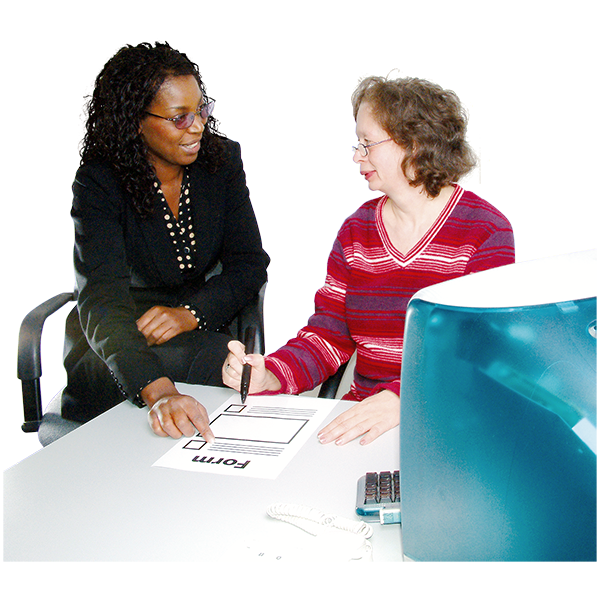 An assessment is a way of finding out what help a person needs. When you have an assessment, you might have to go to a meeting or fill in a form.
. You can also speak to the Paediatric team at your local hospital or the learning disability lead and tell them why you think that your child may have a learning disability. Similarly, in school you can talk to teachers or the setting’s Special Educational Needs Coordinator (SENCO).
The time it takes to get a diagnosis varies greatly depending on the nature of your child’s needs. Professionals can be confused by some characteristics of learning disability, and even experts can struggle to make an accurate diagnosis. If you feel that your child has a learning disability it is important that you tell the relevant professional in order to get the right support in place for them as early as possible.
Information – it is important that you feel supported by your GP or your local hospital. Staff can help you to access information that will help you and can discuss the support options available. Don’t be afraid to ask the people giving you information to go back over anything you might have missed.
Support – Getting the support of your health visitor and GP is often the first step. You can also ask for a referral to the specialist paediatric learning disability liaison team at your local hospital. They are learning disability specialists who will be able to support you and your child. Their role is to work with other healthcare professionals in the hospital to make sure that reasonable adjustments are made to care for people with a learning disability, and that healthcare professionals are communicating in an
accessible
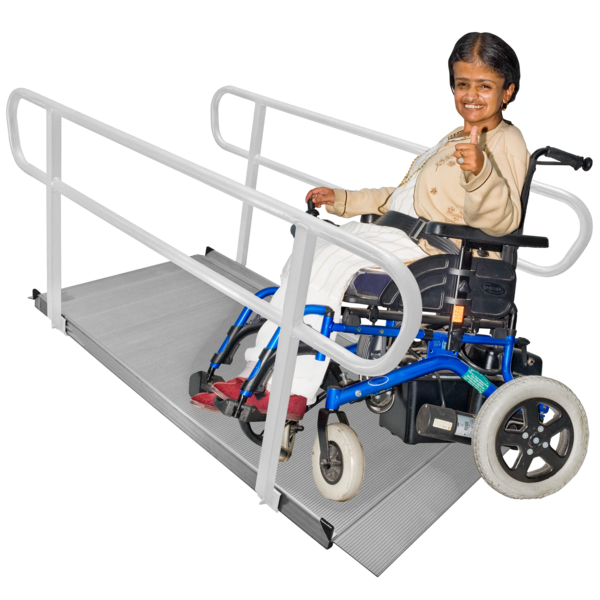 Accessible means something is easy for people to use or join in with. For example: Accessible writing means the writing is easy to read and understand.
way.
Within pre-school and school settings, teachers should be monitoring your child’s progress and be able to spot when they may need additional support. This support can be provided by the school or, depending on your child’s needs, from external agencies like Speech and Language Therapists, Occupational Therapists or Educational Psychologists. Please see the education section of our website for more information.
Other parents and family carers can offer advice and peer support. The Mencap online community is a space for parents and carers to share their experiences - https://www.mencap.org.uk/onlinecommunity.
The Learning Disability Helpline offers free advice and information to families - 0808 808 1111
Disclaimer: Some of the information in this resource has been produced using third party sources. Whilst every attempt has been made to ensure the complete accuracy of the information in this resource, Mencap cannot accept liability for any error or misinterpretation resulting from its use.