
 By Mencap
We're pleased to hear that NHS in England have planned to introduce the life-saving Martha’s Rule into all A&E departments across England.
This is important for patients, families, carers and staff in busy emergency departments to be able to ask for an urgent review if a patient’s condition is getting worse and they are concerned this is not being listened to.
The rollout starts from September 2026 and will happen in stages. It is expected to be available in every A&E department in England by March 2028.
What is Martha's Rule?
Martha’s Rule is a way for patients, families, carers and healthcare staff to raise concerns if they think someone’s health is getting worse in hospital.
It recognises that the people who know someone well may notice changes in their health before these changes are picked up by healthcare staff.
For example, you might notice that someone:
- is behaving differently from usual
- is more confused or tired
- is in more pain
- is not eating or drinking
- is having difficulty breathing
- seems much more unwell than they were before.
If you're worried that someone's condition is getting worse, it is important to tell the healthcare team looking after them. If you've spoken to the team but are still worried and feel your concerns are not being listened to, Martha’s Rule gives you a way to ask for an urgent review by a different team.
What will change in hospital A&E departments?
Now that Martha's Rule is being expanded into A&E departments and A&E waiting rooms, there will be a dedicated phone number that patients, families, carers and staff can use to ask for an urgent review if they are worried that someone's condition is getting worse and their concerns are not being listened to.
If you are in A&E and need to use Martha’s Rule, you can ask a member of staff for the hospital's Martha’s Rule number or look for information about it in the department.
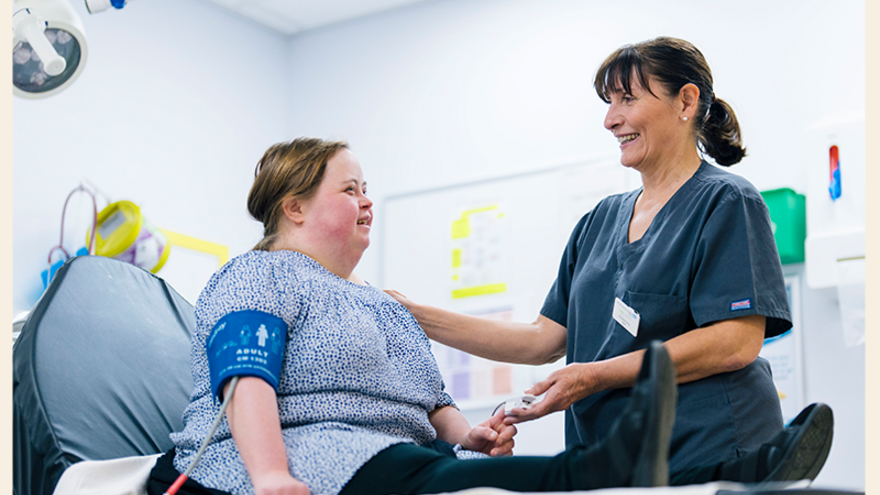
Why is this important for people with a learning disability?
People with a learning disability A learning disability is to do with the way someone's brain works. It makes it harder for someone to learn, understand or do things. can sometimes have difficulty communicating how they are feeling or explaining when something is wrong.
Families and carers who know them best may be the first to notice that something has changed, and could be an important sign that their condition is getting worse.
Your concerns matter.
Martha’s Rule means that patients, families and carers have a clear way to raise concerns if they think someone's condition is getting worse and they're not being listened to. This will be particularly important in a busy A&E department, where people may have to wait to be seen or treated.
What should I do if I'm worried?
If you are in a hospital accident and emergency department with someone and you think their health is getting worse:
- Tell the healthcare team. Explain what you are worried about and what has changed.
- Be clear about what is different. You know the person well, so tell staff what is normal for them and what is unusual.
- If you are still worried, speak up again. And if you feel your concerns are not being addressed, ask to use Martha’s Rule for an urgent review by a different clinical team.

Helping you speak up
Using Martha’s Rule doesn't mean you're being difficult or questioning the healthcare staff looking after you or your loved one. It's there to make sure that people’s concerns are heard and acted on when someone’s health may be getting worse.
NHS The NHS is the National Health Service. The NHS gives free healthcare to everyone in the UK and includes things like your GP (doctors) surgery and hospitals. England says that, since Martha’s Rule was introduced, most calls have been made by families and carers. Between September 2024 and July 2026, there were more than 19,000 calls, with 72% made through the family and carer escalation process.
This shows how important families and carers can be in noticing changes and speaking up about someone's health.
You know the person you support best
Remember, you know the person you support best, and can share what you know about them with healthcare staff:
- what is normal for the person
- how they usually communicate
- how they show that they are in pain or feeling unwell
- what changes you have noticed
- anything else you think healthcare staff need to know.
If you think they are getting worse, speak up. Your concerns are important.
The Learning Disability Helpline
Our free helpline service A service gives people what they need, like healthcare services that help people when they are ill, and support services that give people support. offers advice and support for people with a learning disability, and their families and carers.