
Seen, Heard, Screened: a co-produced exhibition about cancer screenings
A cancer screening can be stressful for anybody, but for someone who has a learning disability A learning disability is to do with the way someone's brain works. It makes it harder for someone to learn, understand or do things. , it can be very overwhelming.
Our research Research is a way of finding out information which could come from books, or asking people what they think. team worked with inclusive researchers at Mencap to explore the experiences of people with a learning disability attending cancer screenings.
The exhibition brings these findings to life, highlighting the lived experiences of people facing health inequalities.
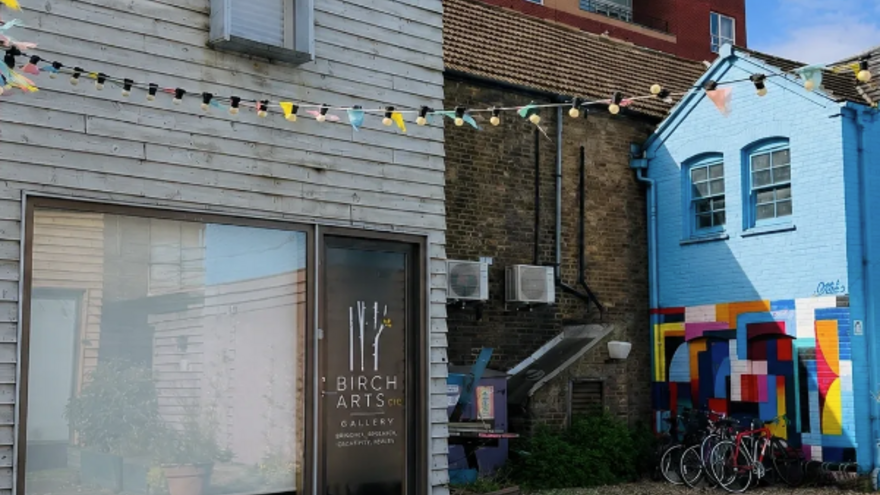
Presented by Mencap, funded by Omaze, and hosted by Birch Arts CIC.
How to visit the exhibition
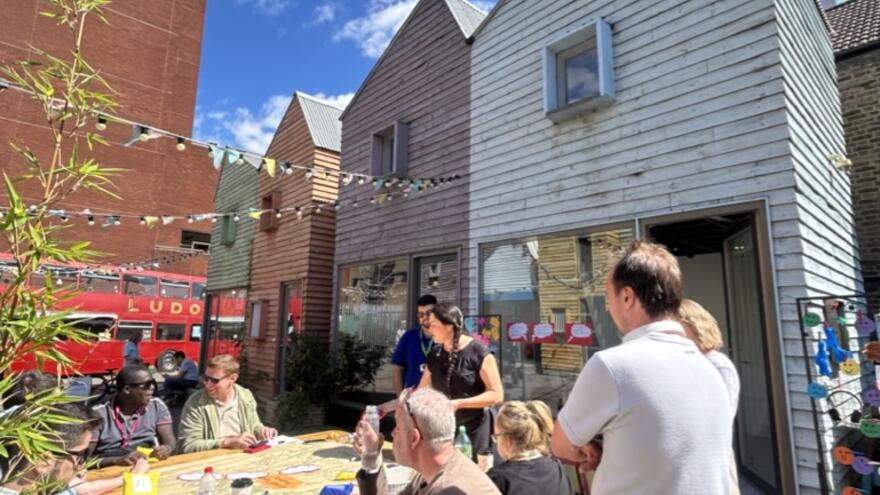
Seen, Heard, Screened is open to the public at Blue House Yard, 5 River Park Road, Wood Green, London, N22 7TB
Entry is free
Opening dates: Thursday 8 October to midday Friday 30 October 2026
Opening hours: Friday to Sunday: 11am to 5pm
51.5972015, -0.1116638
What we know
People with a learning disability were over 70% more likely to develop cancer before the age of 50 (source: The Lancet Regional Health Journal).
Little research exists on the barriers people with a learning disability face when accessing cancer screenings, or on how successfully reasonable adjustments are being applied.
People with a learning disability are 37% more likely to be diagnosed with advanced-stage cancer (source: BMJ Journal).
Through this co-produced research project the research team and the inclusive researchers held 9 workshops and spoke to 62 people: 48 people with a learning disability and 14 supporters (including family carers and
support workers
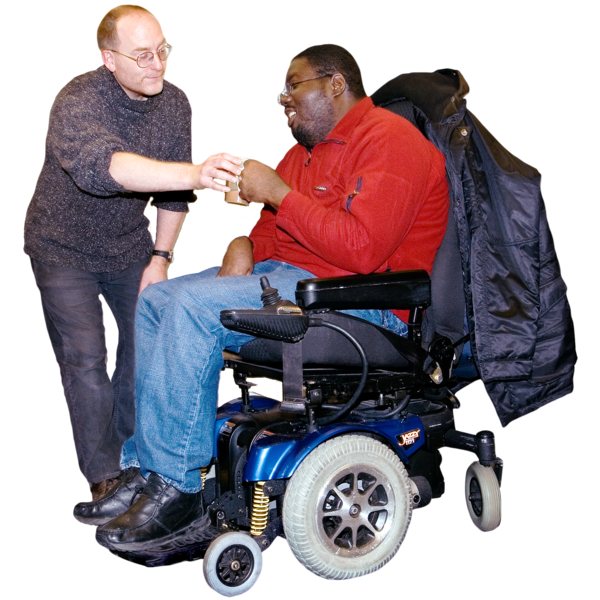 Support workers are people who are paid to give care and support to people who need it.
).
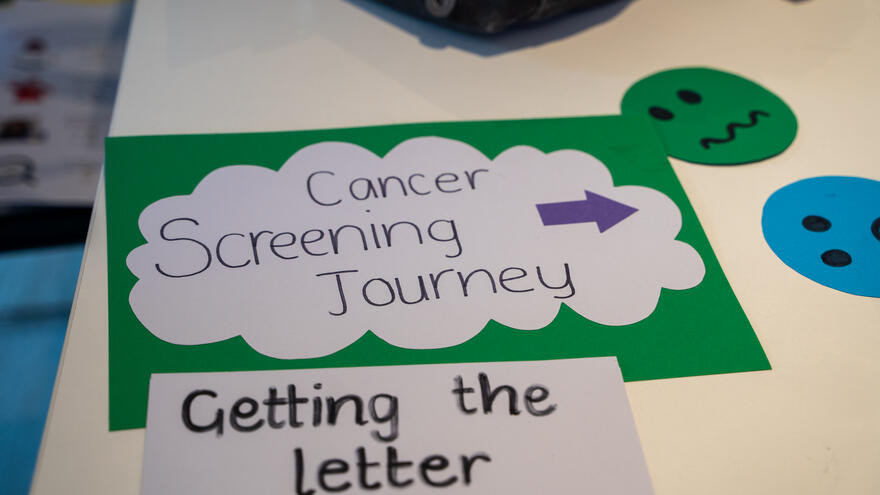
We used creative research methods, using pictures, objects and actions to help people to share their stories about cancer screenings.
Who are the Inclusive Researchers?
The inclusive researchers are a group of people with learning disability from Mencap. They have co-produced and co-designed the research from beginning to end, which means they were involved Involved is being included in something or taking part in something. in every stage of the project. They decided what was important to learn more about cancer screenings for people with a learning disability, what questions to ask and how to make the project meaningful.
If I heard about getting a cancer screening for myself it would give me some worrying thoughts. I would start thinking about the possibility of having cancer and the possibility of cancer starting in my body, which I really don't want to think about.
Inclusive researchers
They also:
- facilitated creative workshops
- met regularly to inform decisions about the project
- reviewed what people shared during the workshop to find key themes and messages.
What the exhibition explores
Our Seen, Heard, Screened exhibition aims to raise awareness on the barriers that people with a learning disability face when trying to access cancer screenings.
It includes quotes, stories, and the lived experiences of the people who took part in creative workshops. It also details what support and reasonable adjustments would help people with a learning disability to access and take part in cancer screenings.
For screening, I would like to see a doctor who knows about it and explains exactly how the procedure will go and I can ask questions.
The exhibition also celebrates the inclusive researcher’s achievements and efforts throughout the project. The exhibition explores these 3 main questions:
- What do people with a learning disability think about cancer screenings?
- What can make it difficult for people with a learning disability to attend cancer screenings?
- What support or reasonable adjustments would help people with a learning disability to better access cancer screenings?
How to visit the exhibition
Seen, Heard, Screened is open to the public at:
Blue House Yard, 5 River Park Road, Wood Green, London, N22 7TB
Entry is free
Everyone is welcome
Opening dates
Thursday 8 October to midday Friday 30 October 2026
Opening hours
Friday to Sunday: 11am to 5pm
Whether you stay for ten minutes or spend an hour exploring, the exhibition offers a space to listen, reflect, and understand the cancer screening journeys of people with a learning disability.
More stories and statistics about healthcare for people with a learning disability
 By Mencap
 Ciara Lawrence
People with a learning disability are more likely to have complex health needs than the general population, yet are also more likely to experience difficulties accessing NHS The NHS is the National Health Service. The NHS gives free healthcare to everyone in the UK and includes things like your GP (doctors) surgery and hospitals. services, putting them at risk of missing out on the care they need.
The most recent LeDeR report showed that people with a learning disability are almost twice as likely to die avoidably than the general population.
When people with a learning disability die avoidably, this is over three times more likely to be from treatable causes than the general population. Research also shows when people with a learning disability get the care they need, they are less likely to die young (LeDeR, 2025).
Barriers across the healthcare system can prevent or delay people with a learning disability from getting the care they need. Some of the these barriers can be addressed with training – for example difficulties with communication in appointments, or decisions not to treat someone based on their learning disability. However, many of the issues are because of how the NHS works, for example, services not working together well, or organisations Organisations are groups like companies and businesses. not being able to do things in a different way when needed.
Systems and processes were the most commonly reported problem with care in the most recent LeDeR report. To tackle health inequality for people with a learning disability, we need the NHS to change the way it works.
We need the Government The Government are the people who run the country. They decide how much tax people should pay for things and how things like the National Health Service should work. to make sure that the NHS works for people with a learning disability by:
- Making sure the NHS has good systems for the needs of people with a learning disability, including those most at risk of missing out on care i.e. from minoritised groups.
- Make sure health services identify people with a learning disability and what support they need.
- Make sure people get the reasonable adjustments they need, such as an appointment at a quieter time of day or
accessible
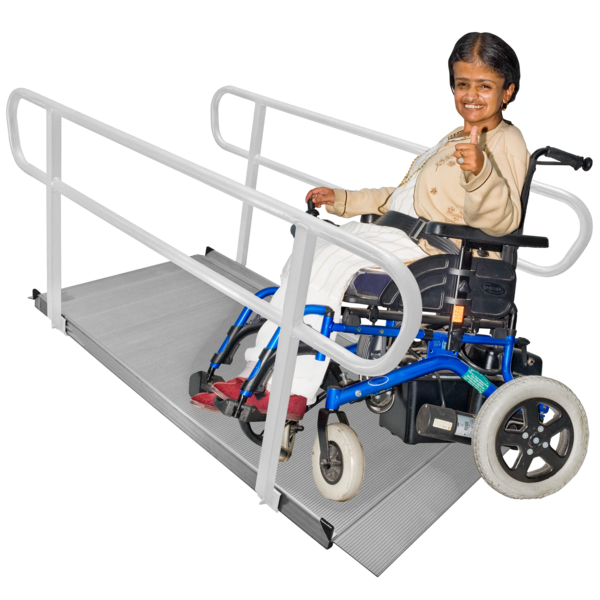 Accessible means something is easy for people to use or join in with. For example: Accessible writing means the writing is easy to read and understand.
information.
- Make sure there is good quality training for NHS staff on learning disability and
autism
 Autism is a disability. Autistic people find it difficult to understand what other people think and feel. They also find it difficult to tell people what they think and feel. Everyone with autism is different.
.
- Provide joined up, coordinated care for people with complex health needs.
- Offer better support to help people stay well, including improved access to screening.
- Increase the number of learning disability nurses to provide support both in hospitals and in the community A community is the people and places in an area. .
Mencap have been campaigning on health inequality for people with a learning disability for many years. In addition to our campaigning we:
- Support people and families who have struggled to access healthcare through our Information and Advice Service.
- Deliver the Oliver McGowan Mandatory Mandatory means that something must be done. Training in Learning Disability and Autism, helping to ensure thousands of healthcare professionals can provide good quality care to people with a learning disability.
- Work in partnership with organisations such as NHS England and DHSC to help them tackle health inequality and hold them to account for delivering care.
- Amplify the voices of people with a learning disability and their families, ensuring national attention to the issues they face through our parliamentary and media work.