
 By Mencap
Families of people with profound and multiple learning disabilities are often overlooked and undervalued, and there is limited research Research is a way of finding out information which could come from books, or asking people what they think. on how they can be better supported. At Mencap, the Research Research is a way of finding out information which could come from books, or asking people what they think. team has access to a range of academic journals on learning disability A learning disability is to do with the way someone's brain works. It makes it harder for someone to learn, understand or do things. , and each year we receive a list of the most-read articles among academics.
One article that stood out in 2025 focused on understanding the needs of family members when working alongside healthcare professionals to improve the healthcare experiences of their loved ones with profound and multiple learning disabilities.
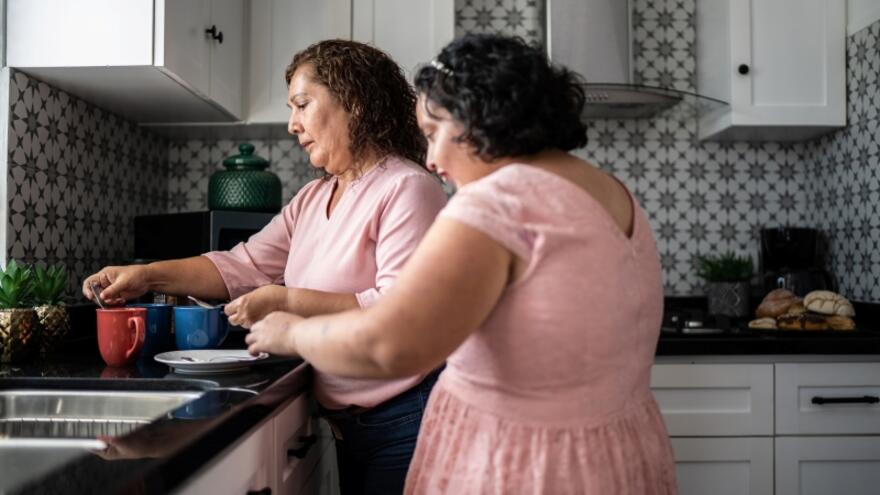
The research brought together findings from 23 studies and highlighted something many families already know: their knowledge Knowledge is knowing a lot about something. , experience and involvement are essential to helping people with profound and multiple learning disabilities get the best possible healthcare. It also showed that families continue to face challenges, including poor communication, not being listened to, and a lack of information about their loved one's care.
Why this research matters to me
This is a very important topic to me because, as someone with a learning disability, I sometimes struggle with communicating issues to a doctor and rely on a family member for support. Whilst I can attend scans or tests on my own, having a family member with me at a doctor's or hospital appointment helps me feel more relaxed and reassured.
Sometimes I find the language used in healthcare settings difficult to understand. Whilst I am comfortable with some jargon, more technical terms can be challenging. Doctors can also speak very quickly, and I sometimes struggle to keep up with what is being said. It would be really helpful if healthcare professionals took the time to read patients' notes beforehand, so they understand any communication needs. For example, if someone has a learning disability, speaking more slowly and using less technical language can make a real difference.
Families are key partners in care
This research is important because it highlights that families are key partners in care, rather than people looking in from the outside. Their knowledge and experience of supporting their loved one with a learning disability is invaluable and should be recognised as an essential part of delivering good healthcare.
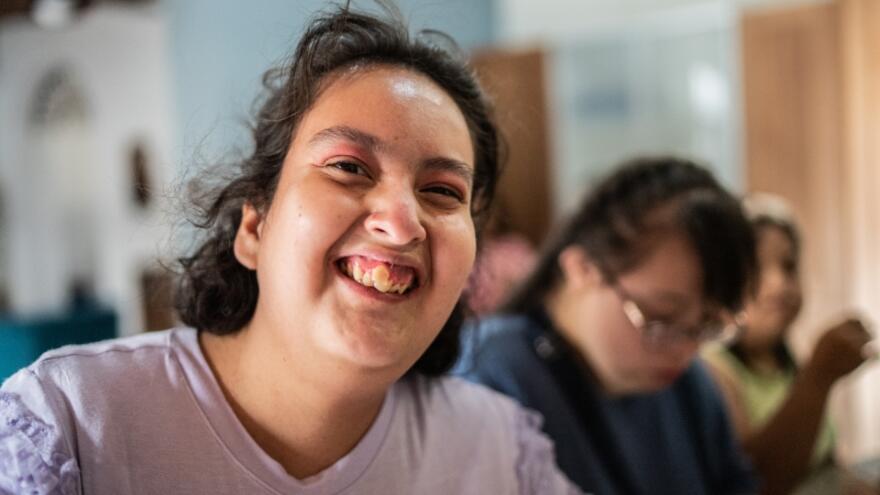
The research found that families want genuine partnership and collaboration with healthcare services, rather than simply receiving information. Families particularly value healthcare professionals who listen carefully, communicate honestly, show empathy and recognise the knowledge they have gained through years of supporting their loved one.
What stood out from the research
Some of the findings that stood out to me most were the ongoing communication issues between families and healthcare professionals, and the fact that families' knowledge is not always respected. Healthcare professionals and family members need to work together as a collaborative team to ensure the person with a learning disability receives the best possible healthcare and support to live their life fully.
I was also concerned to learn about the lack of information and updates families sometimes receive about their loved one's care and health. This can lead to a loss of trust in services and make families feel excluded from important decisions.
The need for better training
If there is one thing I would like to see change as a result of this research, it is training. Training should focus on helping healthcare professionals better understand how to work collaboratively with families and how to support people with profound and multiple learning disabilities to access the best healthcare possible.
This includes learning about different communication and
accessibility
Accessibility is about making it easier for someone to join in, get, use or do something.
techniques that can be used during appointments, as well as understanding the important role families play in supporting the person. By putting these approaches into practice, healthcare professionals can improve both the experience of appointments and their
relationships
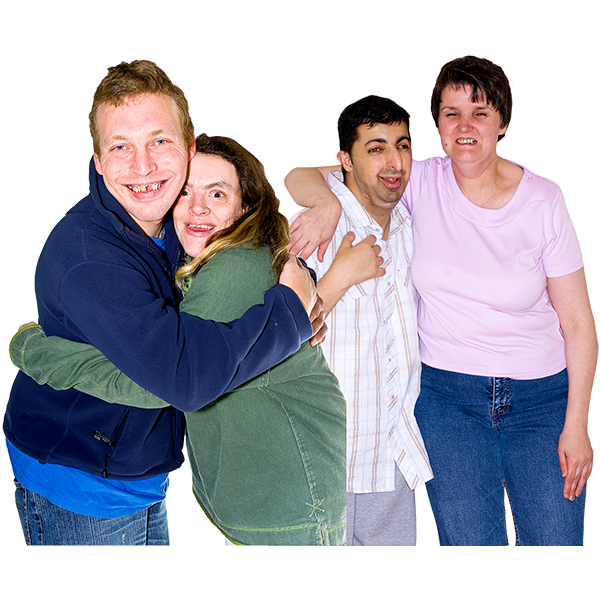 Relationships are about the people in your life. You might have different types of relationships like friendships, family relationships, or a boyfriend or girlfriend.
with family members.
Relationships are about the people in your life. You might have different types of relationships like friendships, family relationships, or a boyfriend or girlfriend.
with family members.
A key message to take away: Families are an essential part of the lives of people with a learning disability. They bring knowledge, experience and insights into their loved one's everyday life that healthcare professionals may not always see. This understanding can play a significant role in improving the quality of care for people with profound and multiple learning disabilities.
When families feel respected, listened to and supported, trust grows. Strong partnerships between families and healthcare professionals can lead to better experiences, better communication and, ultimately, better outcomes for everyone involved Involved is being included in something or taking part in something. .