
What is sepsis?
Sepsis is a life- threatening Threatening is when someone says they are going to do something bad to you or others. reaction to an infection. Someone with sepsis can become very unwell very quickly.
It can be harder to spot when someone with a learning disability A learning disability is to do with the way someone's brain works. It makes it harder for someone to learn, understand or do things. has sepsis. They may not be able to tell you how they feel, so changes in their behaviour or what they can usually do can be important signs that they’re becoming more unwell.
People with a learning disability are more likely to die from sepsis.
Could it be sepsis?
The UK Sepsis Trust uses the word SEPSIS to help people remember the warning signs in adults:
S – Slurred speech or confusion
E – Extreme shivering or muscle pain
P – Passing no urine in a day
S – Severe breathlessness
I – It feels like you’re going to die (a feeling that something is very wrong)
S – Skin that looks mottled or discoloured.
If an adult has any one of these signs, call 999 or go to A&E.

Just Ask “Could it be Sepsis?”
There is no single sign of sepsis. Don’t wait for someone to have all of these signs before getting help.
Sepsis in children
The signs of sepsis can be different in children.
A child may have sepsis if they:
- are breathing very fast
- have a fit or convulsion
- look mottled, blueish, or pale
- have a rash that doesn’t fade when you press it
- are very sleepy or difficult to wake
- feel unusually cold to touch.
On Brown or Black skin, changes in colour may be easier to see on the palms of the hands or inside the forearms.
If you think a child may have sepsis, call 999 or go to A&E.
Just Ask: “Could it be Sepsis?”
Spotting changes in someone you know well
If you know the person well, think about what’s normal for them. A change in their behaviour, communication, or what they can usually do could be a sign that they’re becoming more unwell.
If you think they may have sepsis, call 999 or go to A&E.
When you call 999, explain what’s changed and what the person is normally like. Just Ask: “Could it be Sepsis?”

Where to get more information about sepsis
You can find more information about the signs of sepsis on the UK Sepsis Trust website.
You can also use the UK Sepsis Trust’s online sepsis assessment tool. It asks questions about someone’s symptoms and helps you know what to do.
If you think someone may have sepsis, don’t delay getting emergency help to use the tool. Call 999.
If you’re a health professional, the UK Sepsis Trust has resources and tools that are relevant to your area, including for
support workers
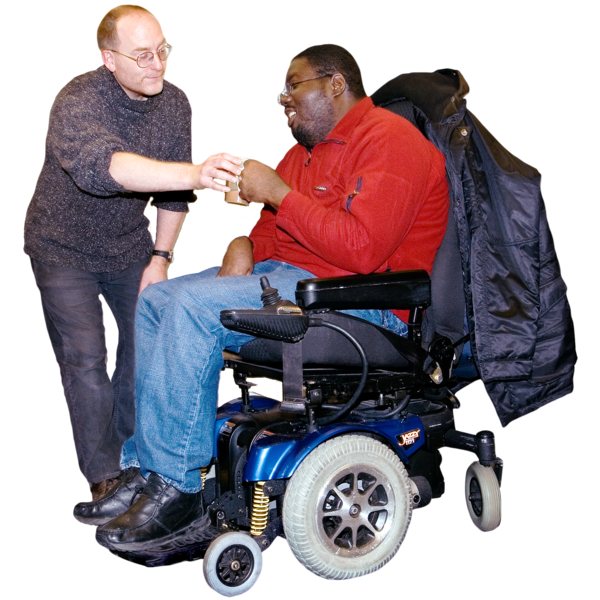 Support workers are people who are paid to give care and support to people who need it.
and
community
A community is the people and places in an area.
care workers.
Sepsis is a life-threatening reaction to an infection. Your immune system fights infections, Sepsis happens when this response starts to damage your own tissues and organs.
This can cause organs such as your lungs, kidneys, or heart to stop working properly. Without quick treatment, sepsis can lead to organ failure and death.
Sepsis itself isn’t contagious, so you can’t catch sepsis from someone else.
However, some infections that can lead to sepsis can spread between people.
Anyone can develop sepsis.
Some people are more at risk, including very young children, older people, and people with certain health conditions or weakened immune systems.
Sepsis needs urgent treatment in a hospital.
Treatment depends on what’s causing the sepsis and how it’s affecting the person. It can include antibiotics, fluids, oxygen, and treatment to support organs that aren’t working properly.
Yes. The infection that causes sepsis isn’t always obvious.
You don’t need to know what infection someone has before getting emergency help if you think they may have sepsis.
Sepsis is a serious, body-wide reaction to an infection. If this happens to someone with a dangerously low white blood cell count it's called neutropenic sepsis.
Neutropenic sepsis is an even more dangerous situation that requires urgent medical care.
Thank you to The UK Sepsis Trust for their help developing this information.
Page sources:
- Zhong X, Ashiru-Oredope D, Pate A, et al. (2023). Clinical and health inequality risk factors for non-COVID-related sepsis during the global COVID-19 pandemic: a national case-control and cohort study.
- The UK Sepsis Trust - Spotting signs of sepsis (2026)
- NHS England - Sepsis Modern Service framework (2026)
- Blood Cancer UK - Neutropenia and the risk of sepsis