
Sepsis Easy Read
Sepsis

What is sepsis?
An infection is an illness that can make you feel unwell.
Sepsis is when your body reacts to an infection in a way that means you might become very unwell or die.
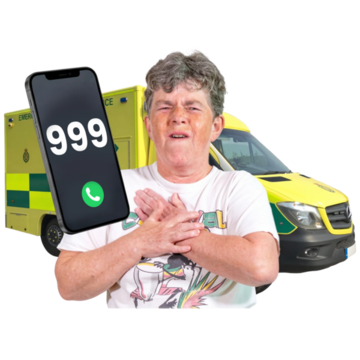
Sepsis is very dangerous, if you think someone might have sepsis, you should phone 999 or go to A and E immediately. Tell them you think it could be sepsis.
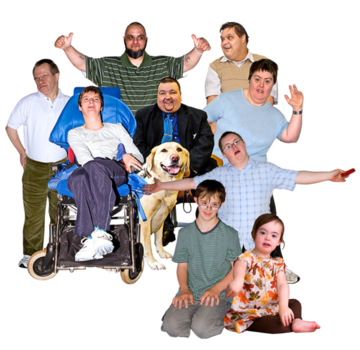
People with a learning disability A learning disability is to do with the way someone's brain works. It makes it harder for someone to learn, understand or do things. are more likely to die from sepsis than people without a learning disability.

This is partly because they might not know they are unwell, or might not be able to tell you how they feel.

How do I know if someone has sepsis?

Adults
The signs of sepsis in adults are:
- being confused
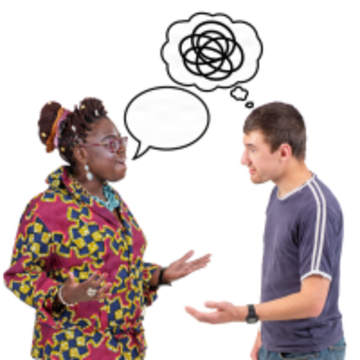
- not being able to talk clearly
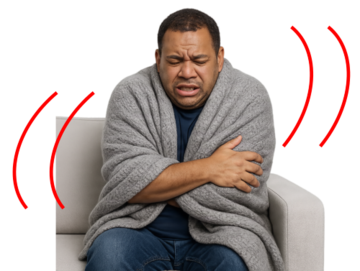
- shivering a lot

- being in lots of pain
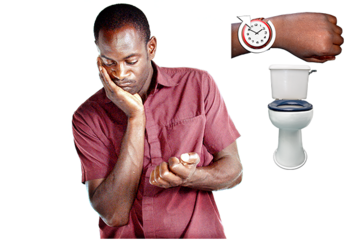
- not going for a wee all day
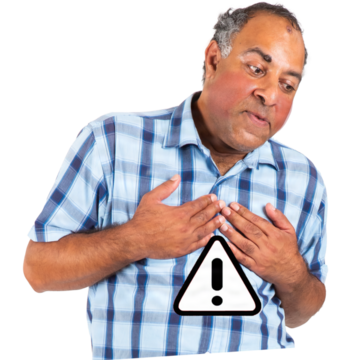
- being very out of breath
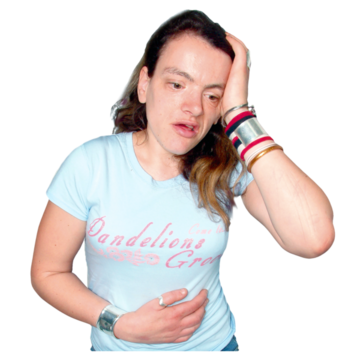
- feeling very unwell, or feeling that something is very wrong with you
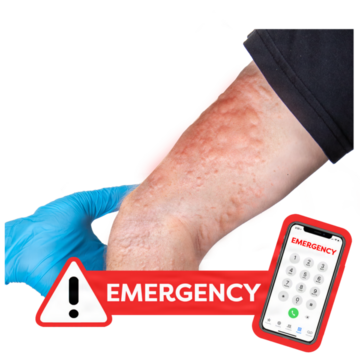
- your skin goes a different colour.
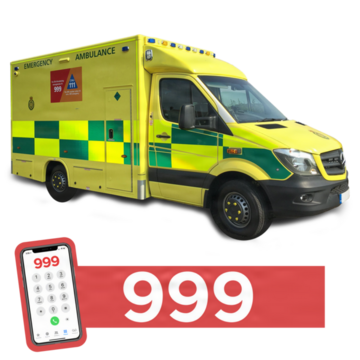
If an adult has any of these signs and they do not usually have them, phone 999 or go to A and E.
Tell them you think it might be sepsis.

Do not wait until someone has all of these signs before you ask for help.
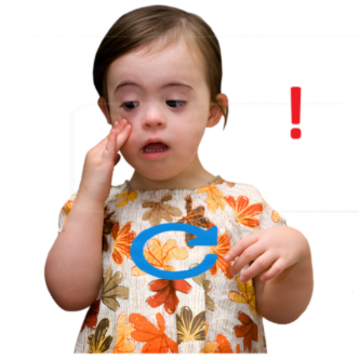
Children
The signs of sepsis in children can be different.
The signs of sepsis in children are:
- breathing very fast

- having a fit or seizure
- their skin has patches of different colours or looks blueish or pale
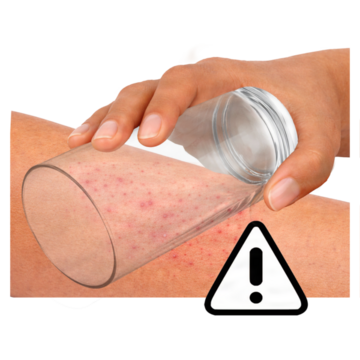
- a rash that does not go away when you press it with a glass
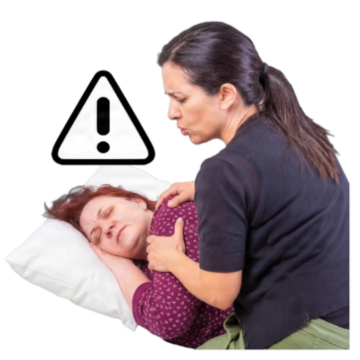
- being very sleepy or very difficult to wake up

- their skin feels much colder than normal.
- If a child has any of these signs and they do not usually have them, phone 999 or go to A and E.
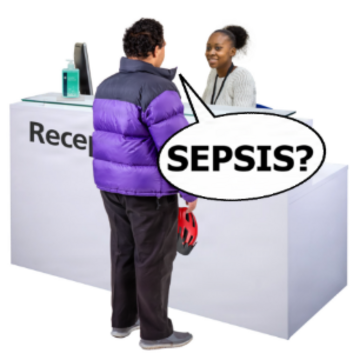
What do I say when I phone 999 or got to A and E?
When you phone 999 or go to A and E, tell the staff what the person is normally like and what has changed.
Tell them you think it might be sepsis.
Some people are more at risk of getting sepsis.
People with conditions like blood cancer or neutropenia are at a high risk of getting sepsis.
Thank you to The UK Sepsis Trust for their help developing this information.

This Easy Read Easy Read is a way of making written information easier to understand. Pictures are usually added next to the writing. was first published in September 2026
Last updated 10/09/2026.