
Government legal case has put disability rights Rights are the things everyone should be allowed to do like have a say, or go to school. at risk
Mencap, Mind and National Autistic Society have issued the following statement at the conclusion of the Supreme Court hearing which could reshape the legal safeguards for people who are deprived of their liberty. The charities believe the rights of thousands of disabled people, especially those who cannot speak up, challenge decisions, or seek help when things go wrong, have been put at risk in the case.
Mencap, Mind and National Autistic Society joint statement
"It is now for the court to decide the outcome of this matter.
“We continue to have deep concerns about the AGNI’s and the Department's arguments. The changes being proposed are significant and put at risk the freedom, safety, and rights of thousands of disabled people.
“The existing ruling – known as Cheshire West - provides key safeguards for people in highly restrictive settings like rehabilitation units or
community
A community is the people and places in an area.
placements like
supported living
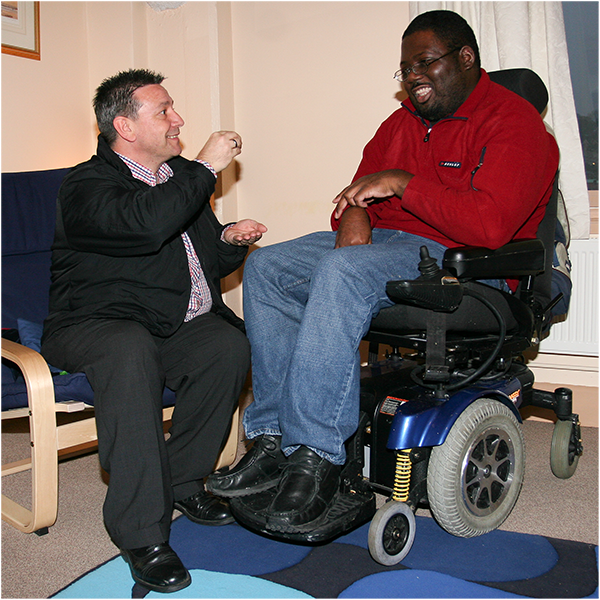 Supported living is when you live in your own home with support from staff. People who live in supported living have a tenancy agreement.
or care homes. The protections make sure people have someone to
advocate
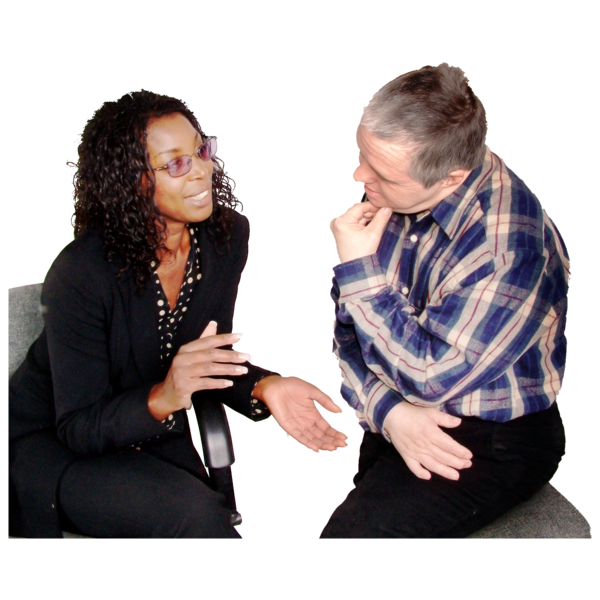 An advocate is a person who can help you have your say. An advocate can speak up for you if you find it hard.
on their behalf, that they can challenge their living arrangements, and that their care needs are dictated by what’s best for them, not the convenience of others.
“Mencap, Mind and National Autistic Society will continue to speak up for those affected, standing up for the rights and freedoms of people at risk of deprivation of liberty.”
Changing the definition of deprivation of liberty
A person is said to be deprived of their liberty if they are under continuous supervision and control, are not free to leave and cannot
consent
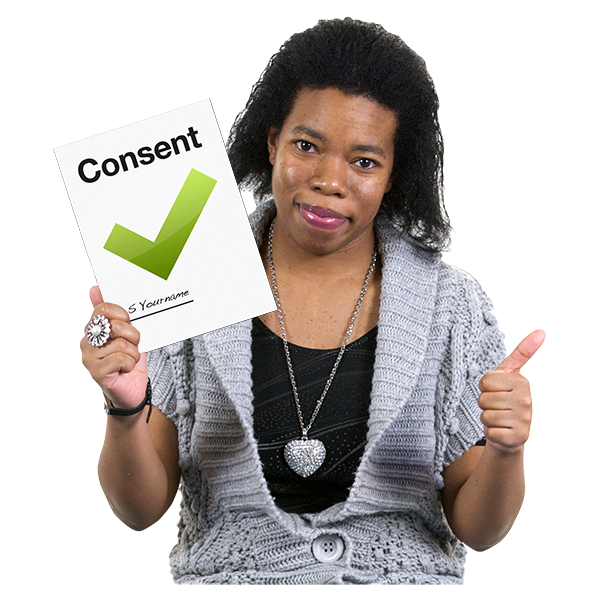 Consent is when you say yes to something, like an operation, or Mencap using your photo for a story. You may have to sign something to say yes. If you can't make your own decisions, someone else can say yes or no for you. They must think about what is right for you.
to this - this includes people in community treatment placements like supported living or care homes or people locked in rehabilitation units.
The current definition of deprivation of liberty was determined in 2014 through a landmark Supreme Court ruling known as Cheshire West. The legal safeguards established in Cheshire West ensure an independent person checks that the living arrangements which people are being held under are justified, lawful, and in the person’s best interests.
The three charities intervened in the case originally brought by the Attorney General for Northern Ireland (AGNI) who is seeking to broaden the ways in which people can be said to consent to their confinement. The AGNI is hoping to change the rules so that people can consent to their confinement through “expressions of wishes and feelings”, which would overturn Cheshire West.
The Department for Health and
Social Care
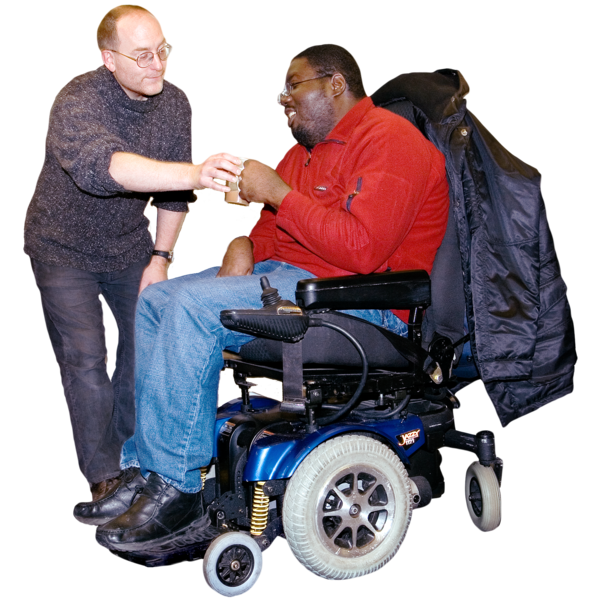 Social care means the services that give care and support to people who need it.
latterly intervened in the case also asking the Supreme Court to overturn Cheshire West, in a move the three charities described as “deeply troubling” and which they said could impact the
safeguarding
Keeping people safe from being hurt, abused, or neglected is called Safeguarding.
of hundreds of thousands of people with learning disabilities, autistic people, and those with other impairments.
The DHSC supports the AGNI’s proposals and goes even further. It argues that if a person’s “wishes and feelings” appear to align with their confinement, then they should no longer be considered ‘deprived of their liberty’. In other words, the state could confine someone, but if that person seems content or compliant, it would not count as a ‘deprivation of liberty’ — and in those circumstances the state would not need to provide various statutory safeguards to them.
-ENDS-
For further information, please contact Mencap’s media team on: [email protected] or 02076 965414 (including out of hours).
Note to editors
About Mencap
Mencap exists to ensure the UK is the best place in the world for people with a
learning disability
A learning disability is to do with the way someone's brain works. It makes it harder for someone to learn, understand or do things.
to live happy and healthy lives. We support people directly and
campaign
A campaign is when people work together to try to change something.
with people with a learning disability, their families and carers. We work to change laws, increase representation and campaign for better health, social care and
employment
 Employment means having a job.
opportunities for the 1.5 million people with a learning disability in the UK.
What is a learning disability?
- A learning disability is a reduced intellectual ability which affects someone for their whole life. Typically, people with a learning disability need more time to learn and process information. They may need extra support to develop skills, complete tasks and interact with others, or they may have more complex needs requiring round-the clock care. The level of support needed is different for everyone and may change during a person’s lifetime.
- Learning disability is NOT a mental illness or a learning difficulty. Often, the term ‘learning difficulty’ is wrongly used in place of ‘learning disability’. Having a learning difficulty (such as ADHD or
dyslexia
 Dyslexia is a learning difficulty. People who have dyslexia can find it hard to read, write and spell.
) may mean a person learns at a different pace or in a different way BUT – unlike a learning disability - it does not affect a person’s intellect.
With the right support, most people with a learning disability can lead happy, healthy, independent lives. At Mencap, it’s our mission to remove societal barriers and shatter misconceptions to make this more possible for more people.
Mencap’s guide to reporting on Learning Disability
When it comes to creating content with people with a learning disability, we know many people feel nervous about saying and doing the wrong thing. Our guide for journalists, covers everything from up-to-date facts and figures to the right language to use. It also includes tips on how to work with people with a learning disability to gather the best content.

About the National Autistic Society
- The National Autistic Society is the UK’s leading charity for autistic people.
- We are here to transform lives, change attitudes and create a society that works for autistic people.
- Since 1962, we have been campaigning for autistic people’s rights and providing support and advice to autistic people and their families.
- To find out more about the charity and
autism
 Autism is a disability. Autistic people find it difficult to understand what other people think and feel. They also find it difficult to tell people what they think and feel. Everyone with autism is different.
, visit autism.org.uk
- Follow the National Autistic Society’s social media accounts on Facebook, Instagram, Threads, X, LinkedIn and YouTube.
About autism
- Autism is a lifelong disability which affects how people communicate and interact with the world.
- At least one in 100 people are autistic which means more than 700,000 people in the UK.
- Autistic people have a range of strengths and challenges. For example, some autistic people also have a learning disability and may need support with daily tasks like washing, cooking or exercising. Other autistic people are in full time work and may benefit from reasonable adjustments.
- Autistic people may:
- Face challenges with communication and social interaction
- Be under- or over-sensitive to sounds, touch, tastes, smells, light and colours.
- Have highly focused interests or hobbies.
- Have repetitive or restrictive behaviour.
- Experience Experience is when you have learned or tried something before. intense anxiety around unexpected Unexpected means not knowing that something was going to happen. change and social situations.
Experience ‘meltdowns’ or ‘shutdowns’.
Read our guidance Guidance means being given clear instructions to be able to do something well. on how to talk and write about autism.
About Mind
- We’re Mind, the mental health charity. We provide advice and support to empower anyone experiencing a mental health problem. We campaign to improve services, raise awareness and promote understanding. We won't give up until everyone experiencing a mental health problem gets both support and respect Respect means showing someone you think about someone's feelings, wishes or rights. .
- Mind has a confidential Confidential means something is private. information and support line, Mind Infoline, available on 0300 123 3393 (lines open 9am - 6pm, Monday – Friday)
- Our online mental health community Side by Side is a safe space where anyone aged 18 and over with experience of a mental health problem can share their story, connect with others, access Mind’s wider information and resources, and give support in return. Find out more at www.sidebyside.mind.org.uk