
National charities Mencap, Mind, and the National Autistic Society have reacted with alarm to today’s Supreme Court ruling that removes the framework known as Cheshire West. They warn that it strips fundamental
human rights
 Human rights are the rights that everyone has. These include the right to go to school and the right to start a family.
protections from potentially hundreds of thousands of severely disabled people.
The ruling
The ruling dismantles a landmark 2014 legal framework known as Cheshire West, which established a universal “acid test”. This means that if someone lacks the
mental capacity
 Mental capacity means being able to make a decision when it needs to be made.
to
consent
 Consent is when you say yes to something, like an operation, or Mencap using your photo for a story. You may have to sign something to say yes. If you can't make your own decisions, someone else can say yes or no for you. They must think about what is right for you.
to their care and living arrangements, is under continuous supervision and control, and is not free to leave, they were legally ‘deprived of their liberty’. This triggered vital legal safeguards (DoLS), requiring an independent assessor to regularly inspect care homes,
supported living
 Supported living is when you live in your own home with support from staff. People who live in supported living have a tenancy agreement.
arrangements, and locked units to ensure the placement is safe, justified, and in the person’s best interests. Today’s decision tears up those protections.
Joint statement from Mencap, Mind and National Autistic Society
“This judgement sets us back decades and removes safeguards that history shows us are vital for disabled people. By removing independent checks,
advocacy
 Advocacy is when you get support to have your say.
, and automatic access to legal aid, the Court has closed the gateway to justice and support for many who need it most. Stripping away these safeguards makes it easier for
abuse
Abuse is when someone bullies you and does or says something to you that makes you feel hurt, upset or scared.
and
neglect
Neglect is when you are not being cared for or supported.
to go unnoticed behind closed doors. A litany of previous wrongdoings demonstrate how closed cultures, lack of independent oversight and restrictive care can lead to abuse scandals and decisions like this fly in the face of everything we've learnt.
“We are calling on the UK government to act with urgency to issue interim guidance Guidance means being given clear instructions to be able to do something well. to local authorities A local authority is another name for your local council. It is a group of people whose job is to look after the area where you live. Local authorities means more than one local authority. and health and care providers to prevent them being plunged into chaos by this ruling. It should urgently bring in new laws and guidance that strengthens protections for some of the people who are most at risk. This should include clearly explaining how disabled people and their families can challenge breaches of their rights Rights are the things everyone should be allowed to do like have a say, or go to school. and get the advocacy and support they need.
“To the many people that will be affected by this ruling now and in the future, we stand with you and you are not alone. This decision devalues the rights and dignity Dignity means you treat yourself and others well and with respect. of disabled people in this country.”
The new rules
The judgment introduces a regressive legal standard that will fundamentally alter the lives of potentially hundreds of thousands of vulnerable Being vulnerable means being at risk of harm, or that you need special care because of your age or disability. people:
- The vast majority of people currently protected by the DoLS safeguards system in the UK will likely see their existing checks and independent inspections cancelled.
- The Court implies that individuals with profound cognitive disabilities cannot be "deprived" of liberty because their condition limits their ability to experience Experience is when you have learned or tried something before. it—a view that devalues their fundamental rights.
- The Court has suggested that in borderline cases, for a deprivation of liberty to exist, a care setting must closely mirror the extreme confinement of a prison cell.
- If a vulnerable person appears passive or does not actively protest their arrangements, the law may recognise this as "consent" — even if they are subjected to routine physical restraint or chemical sedation or have never known a life without a high level of restriction.
The Human Impact
Under this new ruling, multiple vulnerable groups will be impacted across
social care
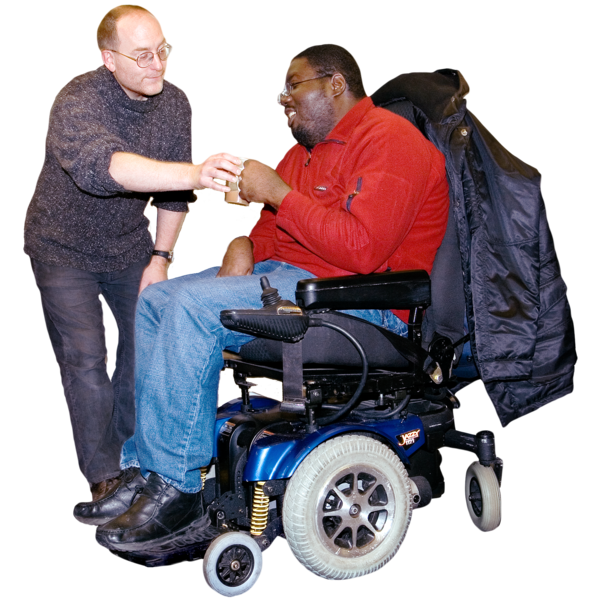 Social care means the services that give care and support to people who need it.
and healthcare sectors. If an autistic person with high support needs, someone with a serious mental illness, or a person with a severe
learning disability
A learning disability is to do with the way someone's brain works. It makes it harder for someone to learn, understand or do things.
is locked in a care setting and sedated, but does not actively protest, they will no longer be considered "confined" by the state. They will lose their automatic right to independent reviews, a legal
advocate
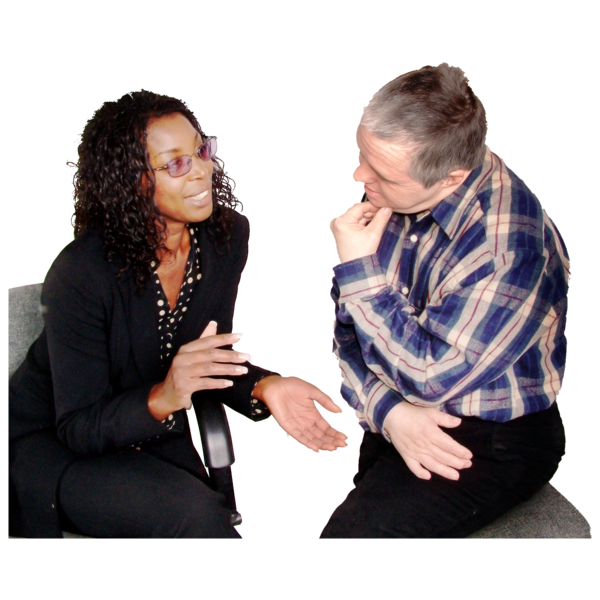 An advocate is a person who can help you have your say. An advocate can speak up for you if you find it hard.
, and protection from closed care cultures.
For example, in psychiatric and crisis wards, if an individual experiencing a severe psychiatric crisis, acute psychosis, or clinical depression is admitted to a mental health hospital ward as an "informal patient," they frequently lack the mental capacity to consent to their stay and therefore do not have any of the protections of independent reviews.
Similarly in social care and supported living, a person may lack capacity if they have an acquired brain injury, a severe learning disability, or are an autistic person with high support needs is locked in a care setting, subject to blanket restrictions, or kept under 24/7 continuous supervision.
And in specialised dementia care, an older adult with advanced dementia or a mental health condition may live at home under highly restrictive chemical and physical restraint protocols, with no external checks.
-- ENDS --
Background statistics & context:
- According to official NHS England data, there were over 300,000 DoLS applications made in England alone last year. Today's Supreme Court judgment fundamentally dismantles safeguarding Keeping people safe from being hurt, abused, or neglected is called Safeguarding. framework, putting the rights of applicants at risk.
Support and advice lines
We understand that this ruling may cause deep distress and anxiety for individuals, families, and carers. If you or a loved one are affected by issues relating to mental capacity, care placements, or social care rights, support is available. Please note, the charities are unable to provide updated advice and guidance related to this case at the moment in time.
- Mind Infoline: Call 0300 123 3393 (9am to 6pm, Monday to Friday) or email [email protected] for confidential Confidential means something is private. mental health information.
- National Autistic Society: Visit https://www.autism.org.uk/advice-and-guidance for specialist information and advice on rights and social care options.
- Mencap helpline: The Learning Disability Helpline is a free advice service A service gives people what they need, like healthcare services that help people when they are ill, and support services that give people support. for people with a learning disability and their families and carers. Email: [email protected]
Note to editors
About Mencap
There are 1.5 million people with a learning disability in the UK and they deserve to live their life to the full. So Mencap supports people with a learning disability to succeed in the things that matter to them. To ensure that people with a learning disability are not left behind at any stage of their life, we campaign A campaign is when people work together to try to change something. for a fairer society; work with families and partners to build inclusive communities; and we deliver person-centred services. We’ve spent 80 years changing lives. Now, with Mencap 2030, we’re changing the future.
What is a learning disability?
A learning disability is a reduced intellectual ability which affects someone for their whole life. Typically, people with a learning disability need more time to learn and process information. They may need extra support to develop skills, complete tasks and interact with others, or they may have more complex needs requiring round-the clock care. The level of support needed is different for everyone and may change during a person’s lifetime.
Learning disability is NOT a mental illness or a learning difficulty. Often, the term ‘learning difficulty’ is wrongly used in place of ‘learning disability’. Having a learning difficulty (such as ADHD or
dyslexia
 Dyslexia is a learning difficulty. People who have dyslexia can find it hard to read, write and spell.
) may mean a person learns at a different pace or in a different way BUT – unlike a learning disability - it does not affect a person’s intellect.
With the right support, most people with a learning disability can lead happy, healthy, independent lives. At Mencap, it’s our mission to remove societal barriers and shatter misconceptions to make this more possible for more people.
Mencap’s guide to reporting on Learning Disability
When it comes to creating content with people with a learning disability, we know many people feel nervous about saying and doing the wrong thing. Our guide for journalists, covers everything from up-to-date facts and figures to the right language to use. It also includes tips on how to work with people with a learning disability to gather the best content.
For further information, please contact Mencap’s media team on: [email protected] or 02076 965414 (including out of hours).
