
What is moyamoya?
Moyamoya is a rare condition that affects how blood flows to the brain.
When someone has moyamoya, the main blood vessels (tubes that carry blood) that supply blood to the brain get narrower over time. The body is then unable to supply enough blood to the brain, so it tries to make up for it by creating new blood vessels. These new blood vessels can be seen on brain scans, where they look like a blush or a puff of smoke, which is where the condition gets its name- moyamoya is a Japanese word meaning puff of smoke.
How does moyamoya affect someone?
Moyamoya affects the body in two main ways:
- The lack of blood supply to the brain means that parts of the brain can be starved of oxygen. This can cause a stroke, or a ‘mini stroke’ (also called a TIA- transient ischaemic attack).
- The moyamoya blood vessels tend to be weaker than normal blood vessels and can occasionally cause bleeding in the brain.
In general, children are more likely to have problems caused by blocked blood flow to the brain (ischaemic symptoms). Adults are more likely to have bleeding in the brain.
Doctors often first discover someone has moyamoya when they have a brain scan after suffering from a stroke or TIA.
Other symptoms of moyamoya can include:
- Frequent headaches
- Seizures
- Uncontrolled movements
- Vision problems
- Problems thinking clearly, such as memory issues.
Listen to Debbie talking about moyamoya
Debbie is mum to Aiesha, who has both
Down syndrome
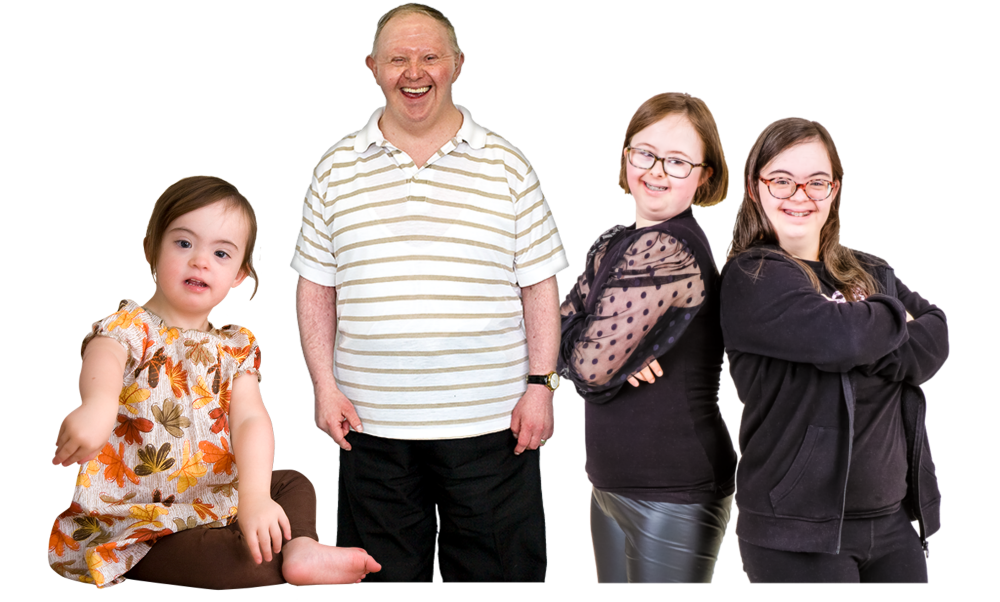 Down syndrome, also known as Down's syndrome, is a type of disability. People with Down syndrome may find it hard to learn new things and may need support. They may have more problems with their health too.
and moyamoya syndrome. We asked Debbie to help us understand what life is like managing the healthcare of someone who has moyamoya.
Diagnosis
Moyamoya is very rare in the UK, occurring approximately only 1 in 200,000 people. It is much more commonly diagnosed in east Asian countries, such as Japan, where it is found 1 in every 20,000 people.
Half of all moyamoya cases are diagnosed when the person is under the age of 10. It is found almost twice as often in females than it is in males.
Living with moyamoya
Sometimes, cases of moyamoya can be very stable over a long period of time and the person might not need any treatment. Medicines like aspirin are often used to try and reduce the person’s risk of TIAs and strokes.
In some cases, surgery can be done to bypass the blocked vessels and improve blood flow to the brain.
Where to get help and support about moyamoya
Moyamoya is so rare in the UK that it can be difficult to find reliable information. The Lucas Brand foundation is a UK charity with the mission of spreading awareness of moyamoya and may be able to point you in the right direction.
Great Ormond Street Hospital has a dedicated moyamoya service A service gives people what they need, like healthcare services that help people when they are ill, and support services that give people support. that provides children with specialist care and treatment. If your child has moyamoya, you can speak to your doctor about the possibility of being referred to this service.
It may also be helpful to seek out online communities via social media with people who can share their lived experience Experience is when you have learned or tried something before. of the condition.
Questions and answers about moyamoya
Moyamoya itself does not cause a learning disability A learning disability is to do with the way someone's brain works. It makes it harder for someone to learn, understand or do things. according to the UK definition. It can cause severe learning difficulties such as memory issues and developmental delays. However, moyamoya commonly occurs in people who have Down syndrome, a condition which does cause learning disability.
Sources:
Moyamoya itself doesn't automatically reduce lifespan, and with proper treatment many people with moyamoya can live their normal life expectancy. Complications caused by moyamoya such as strokes, seizures or brain haemorrhage can affect lifespan, but research Research is a way of finding out information which could come from books, or asking people what they think. is limited so the exact risks aren't fully known.
Source:
https://my.clevelandclinic.org/health/diseases/17244-moyamoya-disease
Moyamoya affects the body in two main ways:
- The lack of blood supply to the brain means that parts of the brain can be starved of oxygen. This can cause a stroke, or a ‘mini stroke’ (also called a TIA- transient ischaemic attack).
- The moyamoya blood vessels tend to be weaker than normal blood vessels and can occasionally cause bleeding in the brain.
In general, children are more likely to have problems caused by blocked blood flow to the brain (ischaemic symptoms). Adults are more likely to have bleeding in the brain.
Doctors often first discover someone has moyamoya when they have a brain scan after suffering from a stroke or TIA.
Other symptoms of moyamoya can include:
- Frequent headaches
- Seizures
- Uncontrolled movements
- Vision problems
- Problems thinking clearly, such as memory issues.
There is both moyamoya disease and moyamoya syndrome.
- When moyamoya occurs on its own it is called moyamoya disease.
- When moyamoya happens as part of another condition, such as Down syndrome, it is called moyamoya syndrome. People who are more likely to get moyamoya syndrome include people with conditions such as Down syndrome, sickle cell disorders, and neurofibromatosis (a condition that causes lumps or growths under the skin and on nerves).
The two terms are very similar, and the distinction is mostly for doctors to understand what the underlying causes are. Moyamoya is not usually hereditary (passed from parent to child).
This page was reviewed with the kind input of Mr Dominic Thompson. We thank him for his time and expertise.
Sources:
Care. Community. Campaign
Support to live life to the full.
This is learning disability.
More conditions linked with Learning Disability
Get help and advice online with Mencap
Whether you're a parent, healthcare professional, or someone with a learning disability, we've created a tool that offers clear explanations, helpful resources, and easy read Easy Read is a way of making written information easier to understand. Pictures are usually added next to the writing. resources to guide you towards the information you need.
