
When a young person with a learning disability A learning disability is to do with the way someone's brain works. It makes it harder for someone to learn, understand or do things. turns 18, their care support changes from children’s services to adult services.
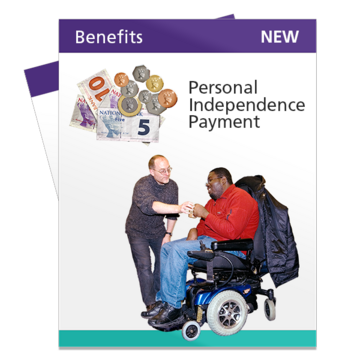
Planning the transition Transition means changing from one thing to another. Transition sometimes means things like when you change from having children's social care to adult social care. early helps get the right support in place.
Transition into adulthood
It's a good idea for anyone to think about what they might want to do in adulthood. If you have a learning disability, you might benefit from some support when thinking about your options - from building friendships to finding a job or thinking about where you want to live in the future.
It's also helpful for children to prepare for making decisions themselves when they become 16, if they have capacity to do so. This preparation for adulthood should happen from their earliest years and no later than year 9 at school, when they are aged 13 or 14.
Children and young people should be encouraged to choose what goals they want to achieve in the future. These goals should be reviewed regularly as someone approaches adulthood.
Leaving education or training
Young people must remain in education or training until they are 16, and in England until they are 18.
However, some young people with a learning disability – for example those in England who have an Education, Health and Care (EHC) plan – may remain in education or training, free of charge, until they are 25 if it is agreed that it would be beneficial for them to do so.
When it is anticipated that a young person with an EHC plan will soon be leaving education, further education or training, the
local authority
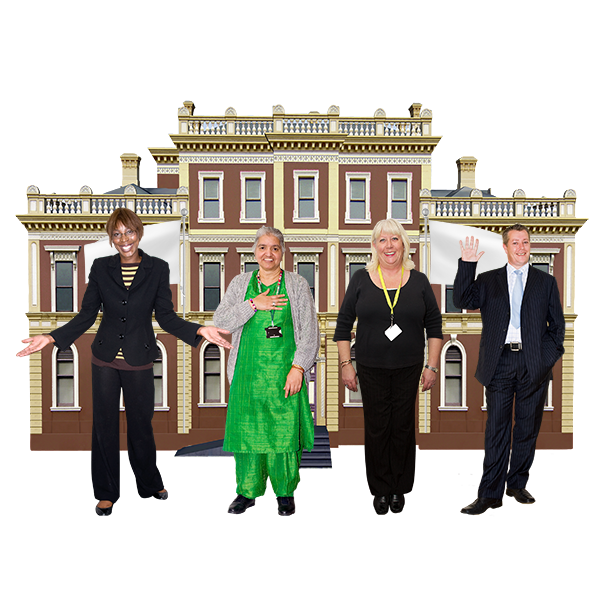 A local authority is also called a council. They are a group of people who make decisions about some of the things in the area where you live like schools, social care (support for people), parks and dustbin collection.
should agree the support the young person might need to access, and the support they might need to help them access it.

Transition into adult services
Children with a learning disability who are eligible for
social care
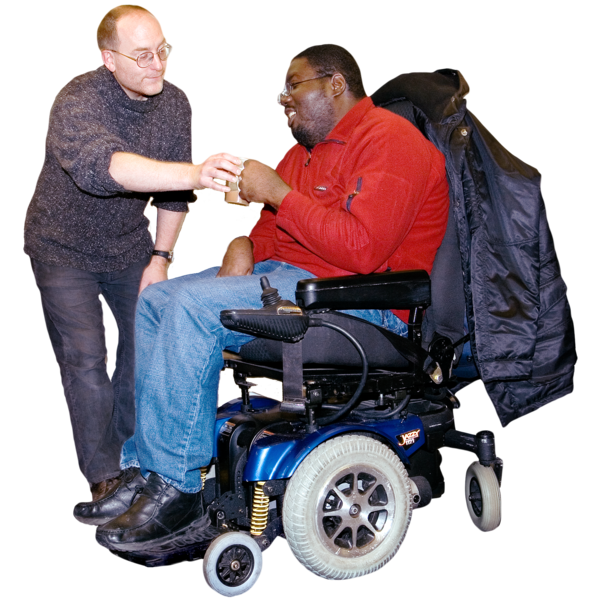 Social care means the services that give care and support to people who need it.
support can receive it until they become an adult. At this point they transition to social care services designed for adults.
The transition from children’s services to adults services can be a difficult time for young people with a learning disability and their families. It often involves a change in services, professionals, and systems at the same time as other major life changes, such as leaving school, moving into further education, or changes in daily routines and
independence
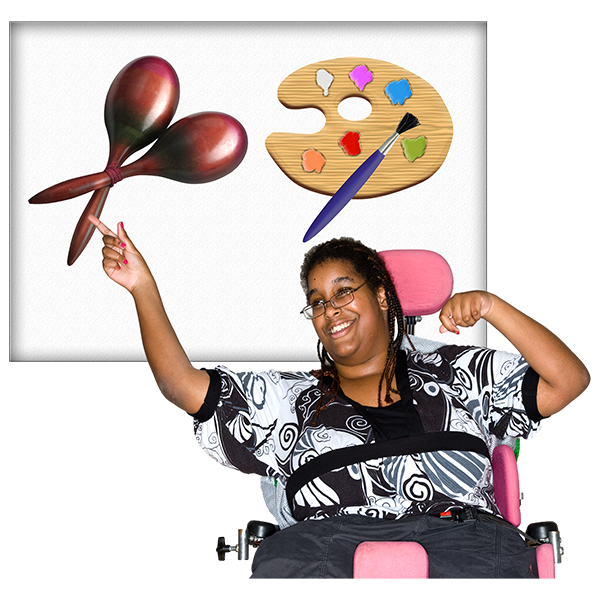 Independence means doing things on your own. Making your own choices.
.
Plan ahead
While the transition can be challenging, it's important to carefully make a plan in advance.
If a child or young person is likely to have support needs after the age of 18, the
local authority
A local authority is another name for your local council. It is a group of people whose job is to look after the area where you live.
must carry out an
assessment
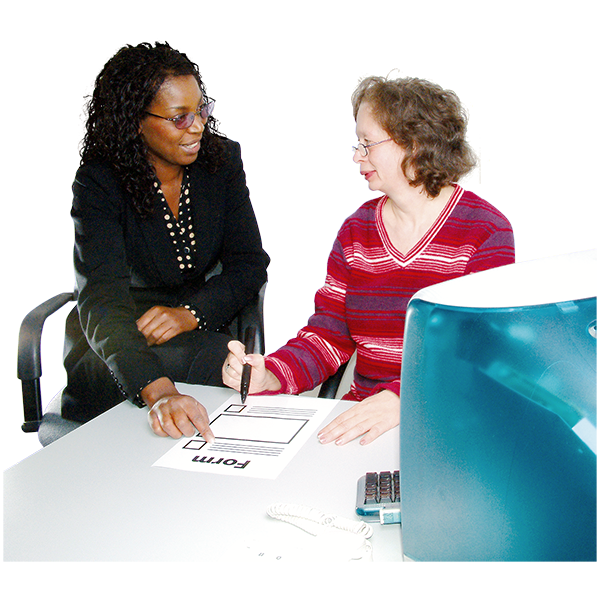 An assessment is a way of finding out what help a person needs. When you have an assessment, you might have to go to a meeting or fill in a form.
where it considers if here would be a 'significant benefit' to the individual. This applies regardless of whether the young person is currently receiving any social care services.
Early planning helps to make sure that support continues smoothly, and is tailored to the individual’s needs as they move into adulthood.
Requesting a transition assessment
A transition assessment can be requested by the young person’s parents or carers. There is no fixed age at which this request must be made. In some cases, it may be appropriate to request an assessment as early as ages 14 or 15.
Requesting an assessment early allows enough time for planning, decision-making, and coordination between children’s and adult services.
Early assessment and planning are particularly important for young people with complex needs who are likely to require significant support from adult services. The complexity of their needs often means that a gradual transition is necessary, involving planning and collaboration between professionals.
For these young people, the transition assessment may be the starting point of a process that begins several years before their 18th birthday.
Continuity during transition
There shouldn't be a gap in support during the transition period. In England, when a young person moves from children’s to adult services, the local authority must continue to provide any children’s services they were receiving while the adult care assessment is being completed.
Children’s services will continue until:
- adult care and support is in place to replace them, or
- it is clear following the assessment that adult care and support is not required.
Avoiding sudden changes
In some cases children’s services may continue beyond the age of 18 to avoid the transition clashing with other stressful events, such as exam periods or major life changes. This flexibility is intended to reduce unnecessary pressure on the young person and their family.
Planning the transition to adult services early will help prevent a 'cliff-edge' situation, where a young person suddenly loses support when they turn 18. A well-planned transition aims to keep continuity, stability, and appropriate support as the young person moves into adulthood.
Useful organisation for support
Used the links to
organisation
 An organisation are a group of people who work together.
below to find out more and get support with the transition to adulthood:
Health: Moving from child to adult health services, including annual health checks for people with learning disabilities.
Education: Moving to college, vocational training, or
employment
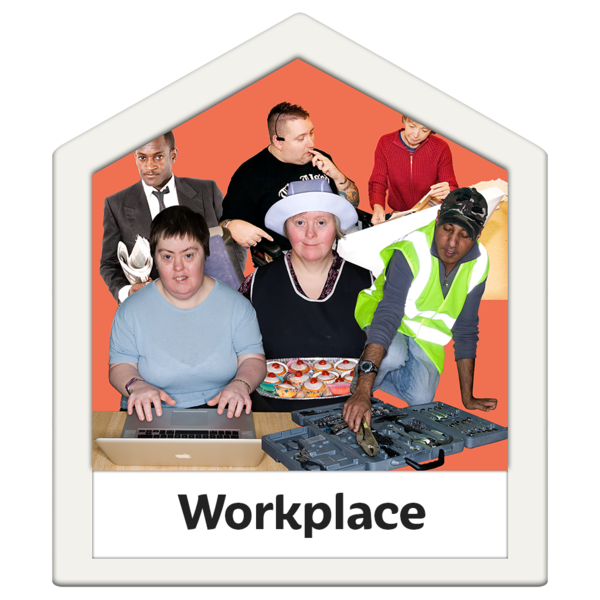 Employment means having a job.
.
Social care: An assessment of needs by the local authority will determine the care package, which may differ from children's services.
Finance: Switching from
Disability Living Allowance
 Disability Living Allowance (DLA) is the name of a benefit that some people with a disability get. The money is to pay for extra help you might need to look after yourself and to get around. Disability Living Allowance is being replaced by a benefit called Personal Independence Payment (PIP).
(DLA) to
Personal Independence Payment
 Personal Independence Payment (PIP) is the name of a benefit that some people with a disability or health condition get. The money is to pay for extra help you might need to look after yourself and to get around. Some people who used to get Disability Living Allowance (DLA) now get PIP instead.
(PIP) for young people aged 16 to 64.
Housing and independence: Exploring options like
supported living
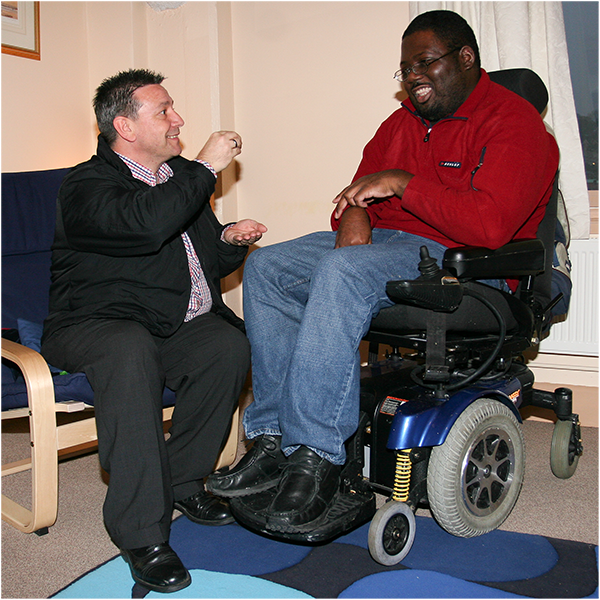 Supported living is when you live in your own home with support from staff. People who live in supported living have a tenancy agreement.
or staying at home.
Planning should start early, ideally around age 14 and 15. This helps to make sure there is a smooth transition by age 18 to 25. It will involve a gradual handover from children's to adult services.
The young person should be at the centre of all decisions. The parents and carers will be the key supporters in planning meetings. As well as social workers, teachers, and health specialists.