

Further education Education is when you learn things. When you fill in a form to get a job, education means you write where you went to school, college or university. is the learning and training for young people after school, including college and work-related learning.

Young people with a learning disability A learning disability is to do with the way someone's brain works. It makes it harder for someone to learn, understand or do things. have choices about their further education, like traineeships, apprenticeships and supported internships A work placement for young people with additional needs, where they get support from a job coach. to help them learn and get skills for work.
Education support to 25 years old
Education support for people with a learning disability doesn't stop when they leave secondary school - in fact, young people with a learning disability can continue to receive support with education and training up to the age of 25.
Further education options
The point at which someone moves from being a child to being a 'young person' is when they have completed the academic year in which they turn 16. This is when they traditionally move from secondary education into further education.
Young people in Northern Ireland and Wales might decide to leave education at this stage, but in England they must stay in education or training until the age of 18.
Most further education takes place at colleges, training facilities or sixth form in schools. There are lots courses and options available, including study programmes and tailored packages of support five days a week. Visit your Local Offer to see what options are available in your area.
The SEND system also offers support to anyone up to the age of 25 if they are still in education or training.
There are also
employment
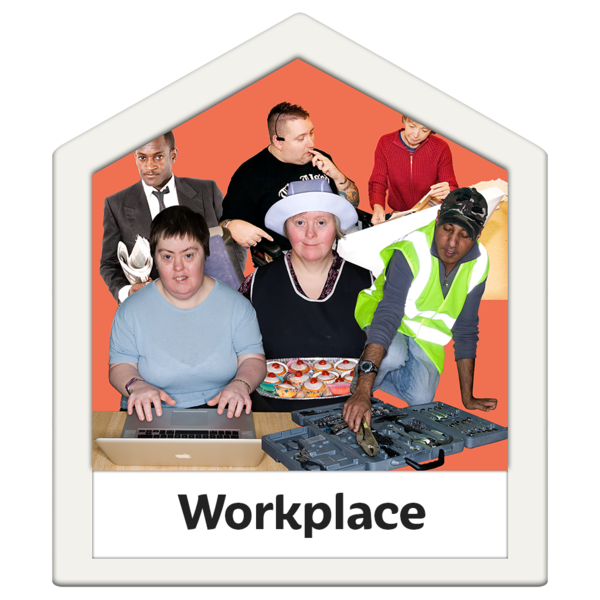 Employment means having a job.
training options available to young people with a learning disability, which can help build skills and confidence to help get a job. These options usually involve doing a course that also includes a placement in a workplace.
Apprenticeships
If a young person is over 16, they can apply for an apprenticeship. There are various levels of apprenticeship you can undertake depending on your skills and qualifications, including:
- intermediate apprenticeship
- advanced apprenticeship
- higher apprenticeship
- degree apprenticeship.
Entry requirements differ depending on certain Certain means you are sure about something. factors such as the apprenticeship level, and the age of the apprentice.
All apprenticeships are real jobs so all apprentices earn a wage, at least at £7.55 per hour in the first year if the apprentice is under 19. Apprentices should work for at least 30 hours a week, and an apprenticeship takes between one and five years to complete, depending on the level of apprenticeship and the industry sector.
Most of the training is delivered in the workplace and the rest of the training is given by a training
organisation
 An organisation are a group of people who work together.
, either at the workplace, off-site (perhaps at college) or via e-learning.
Supported internships
A supported internship is a study programme for young people aged 16 to 24 who have an Education, Health and Care plan, who want to move into employment and need extra support to do so.
Supported internships are unpaid and normally last for a minimum of six months, and then support people to move into paid employment at the end of the programme.
It aims to give young people the skills they need for work, through learning in the workplace.

Traineeships
Traineeships are education and training programmes with
work experience
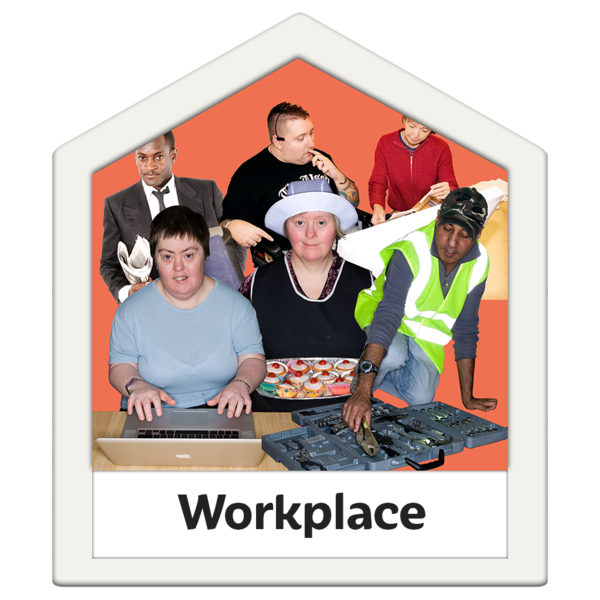 Work experience is when you try out a job to help you learn new skills.
, designed to get young people (aged 16 to 24) ‘work ready’.
Sometimes people take traineeships to help them get prepared for an apprenticeship.
A traineeship often provides:
- a high-quality work experience Experience is when you have learned or tried something before. placement with an employer
- work preparation training, provided by the training organisation
- English and maths support, if required, provided by the training organisation.
Traineeships last up to a maximum Maximum means the highest amount, or greatest value that something can be. of 6 months.
Mencap Training Academy
The Mencap Training Academy is a specialist provider of supported internships and pre-internships which aim to support young people with a learning disability and/or
autism
 Autism is a disability. Autistic people find it difficult to understand what other people think and feel. They also find it difficult to tell people what they think and feel. Everyone with autism is different.
to find a paid job.
Programmes are available in London, Birmingham, Northamptonshire, Staffordshire and Worcestershire.
Other options
There are a range of other options young people with a learning disability can access in further education, including tailored study programmes. See your local offer for more details about what is available locally.
Young people have the right to make decisions about their education
Young people have the right to make their own decision about the support they receive, including deciding where they want be educated. Your local Information, Advice and Support Service (IASS) will support you to make these decisions.
Many young people still want their parents' advice in making these decisions or may want their parents to make decisions for them, but the young person's preferences must always be considered when possible.
In England, young people must stay in education or training until they are 18, and they can get support up to age 25 if they are still learning or training.
Further education usually happens at college, sixth form, or training centres.
An apprenticeship is a paid job with training that helps you learn skills for work, with a qualification at the end.
A traineeship is a short training programme with work experience to help young people get ready for a job.
A supported internship helps young people with an EHC plan learn work skills with extra help. These are unpaid but with the support to move into a paid job afterwards.