
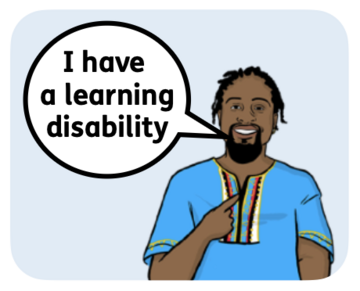
Many people with a learning disability A learning disability is to do with the way someone's brain works. It makes it harder for someone to learn, understand or do things. can get very unwell in hot weather.
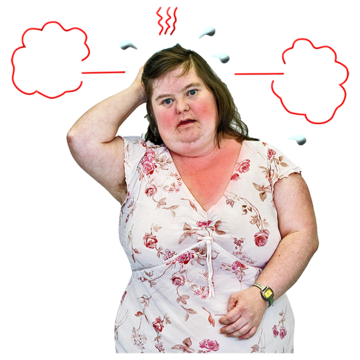
Some people may not notice they are too hot.
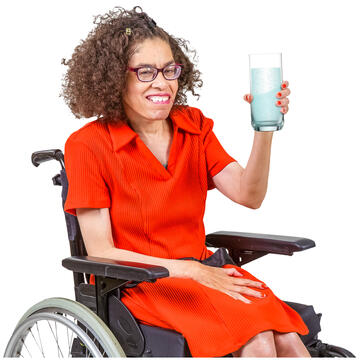
It is important to keep cool when it is hot to stay safe.
You should drink lots of water and stay inside in a cool room.
Staying safe
It’s important to take extra care in hot weather.
Many people with a learning disability are at extra risk of becoming unwell when the weather gets too hot.
Preparing for hot weather and reading these tips can help you stay safe.
- Some people have syndromes which mean they can overheat more easily. For example, people with Down syndrome and people with Prader-Willi syndrome.
- Some health conditions can be affected by very hot weather, including epilepsy and heart conditions.
- Some people find it harder to recognise when they are too hot, or to know when and how to cool down.
- People with a learning disability,
autism
 Autism is a disability. Autistic people find it difficult to understand what other people think and feel. They also find it difficult to tell people what they think and feel. Everyone with autism is different.
, or ADHD might not notice when they are getting too hot.
They might not know they are overheating until they feel unwell. This is called low interoception Low interoception means it’s harder to notice what your body is telling you - like when you’re getting too hot or too cold. .

Keeping cool
When the weather is hot you need to keep cool to stay safe. You can:
- avoid being outside during the hottest part of the day, this is usually between 11am and 3pm
- if you're outside - stay in the shade and wear a hat
- keep blinds and curtains closed, to help keep the inside of your home stay cool
- keep windows closed during the day when it's hot, and open them in the evening when it gets cooler outside
- move to a cooler room, with a fan or air conditioning
- drink cool water more often
- use a handheld fan
- check your heating is turned off
- wear loose and lightweight clothing.
Click to open the GOV UK Easy Read booklet about keeping cool at home.
Tips to help you stay safe in hot weather
It is dangerous when people do not notice when they get too hot so if you feel dizzy or sick please phone NHS The NHS is the National Health Service. The NHS gives free healthcare to everyone in the UK and includes things like your GP (doctors) surgery and hospitals. 111.
Preparing for hot weather and using the tips in this video can help you stay safe.
Heat exhaustion and when to get help
Heat exhaustion does not usually need emergency medical help if you can cool down within 30 minutes.
The signs of heat exhaustion include:
- excessive sweating
- skin becoming pale and clammy or getting a heat rash
- fast breathing or heartbeat
- a high temperature
- being very thirsty
- tiredness
- dizziness
- headache
- feeling sick or being sick
- cramps in the arms, legs and stomach
- weakness
If someone is showing signs of heat exhaustion they need to be cooled down and given fluids.
If you are concerned about symptoms, or they are worsening, seek medical advice by contacting NHS 111.
See our Easy Read guide about heat exhaustion and heatstroke.
Click to open the GOV UK Easy Read booklet about staying safe in hot weather.
Important! Join the learning disability register
A really important thing to do is make sure you are on the
learning disability register
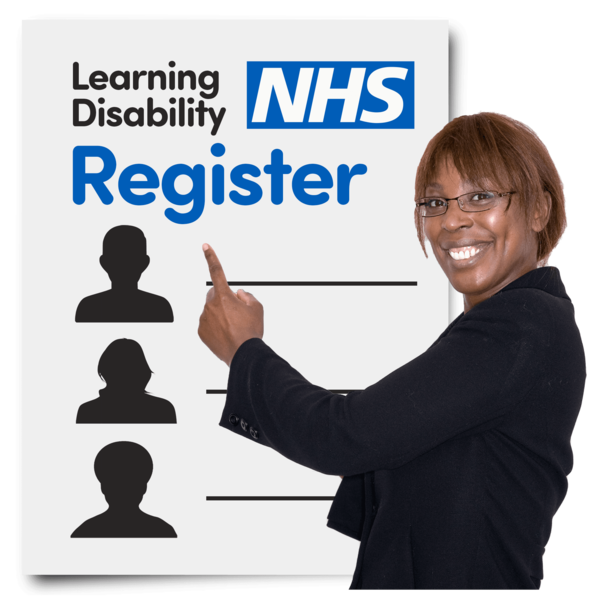 The learning disability register is a list of people with a learning disability that the doctor’s surgery looks after.
.
This register gives you extra help at the doctors.
You’ll get invited to visit the doctor’s each year for a
health check
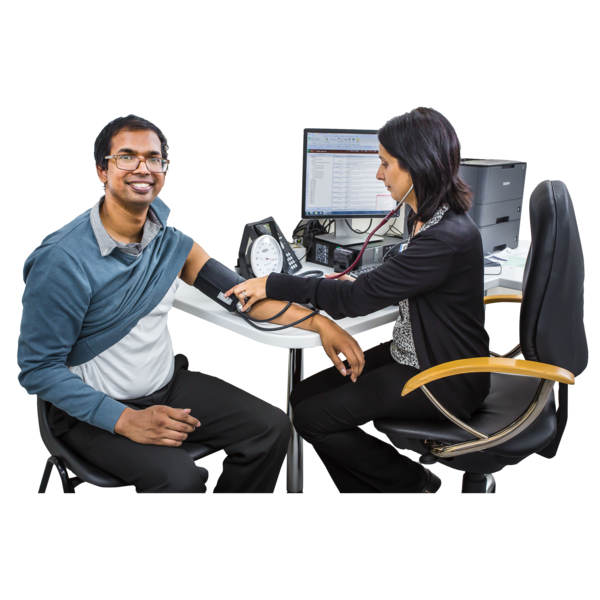 A health check is when you see a nurse or doctor so they can help you to stay well.
and get better access to vaccines.
More healthcare pages
Worried about your costs at home?
We're proud to work with the British Gas Energy Trust, an independent charity that supports people to manage their money and energy bills.
Find out how you can save on your everyday expenses Expenses means the money you spend to buy things or pay for services. like food and energy, or speak to our
Frequently asked questions about staying safe in hot weather
Hot weather can make people unwell because they can become dehydrated and overheat.
This can lead to conditions like heat exhaustion or heatstroke. Some people, such as older adults, young children, or those with health conditions, are more at risk because their bodies may find it harder to stay cool.
You can stay safe by:
- drinking lots of water (even if you are not thirsty)
- staying in the shade or indoors
- wearing light, loose clothes
- wearing sunscreen and a hat
- resting and not doing too much.
To keep your home cooler:
- close curtains or blinds during the day
- keep windows shut when it’s hotter outside, and open them when it’s cooler (like at night)
- turn off items that create heat like radiators
- spend time in the coolest room of your house.
If someone feels dizzy, very tired, or sick:
- move them to a cool place
- give them water to drink
- help them rest and cool down
If symptoms get worse or don’t improve, it may be serious like heatstroke, and you should get medical help quickly.
If you do not feel well, tell someone you trust, like a carer, friend, or family member.