
Staying safe in hot weather easy read
Staying safe in hot weather
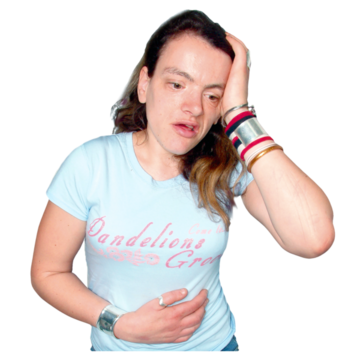
Hot weather can make people feel unwell, it can make some health conditions worse. Some people can become very poorly in the heat.
Some people may live in places that are harder to keep cool when it is hot outside.
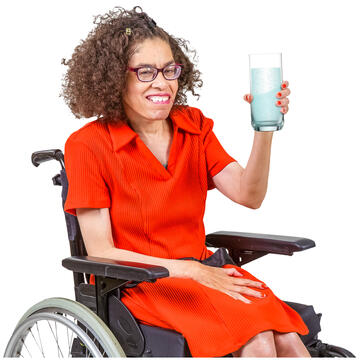
Some people may need help to drink enough water and stay cool.
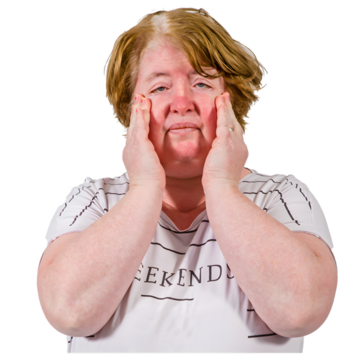
People with a
learning disability
A learning disability is to do with the way someone's brain works. It makes it harder for someone to learn, understand or do things.
,
autism
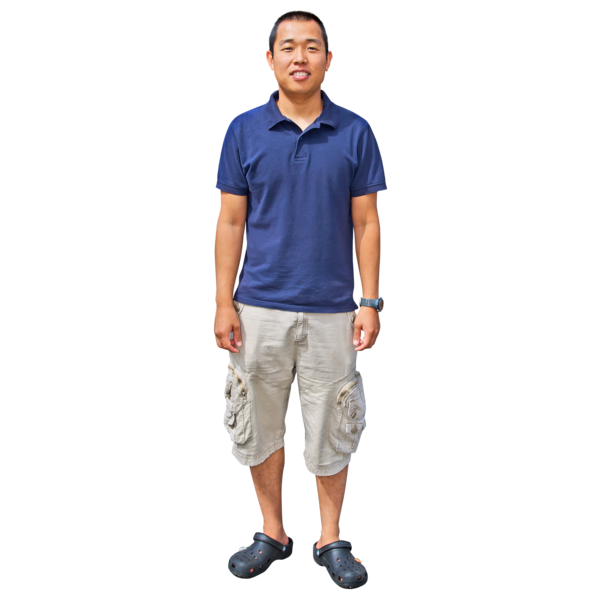 Autism is a disability. Autistic people find it difficult to understand what other people think and feel. They also find it difficult to tell people what they think and feel. Everyone with autism is different.
, or ADHD might not notice when they are getting too hot.
They might not know they are overheating until they feel unwell. This is called
low interoception
Low interoception means it’s harder to notice what your body is telling you - like when you’re getting too hot or too cold.
.
This easy read Easy Read is a way of making written information easier to understand. Pictures are usually added next to the writing. guide explains how to stay safe in hot weather.
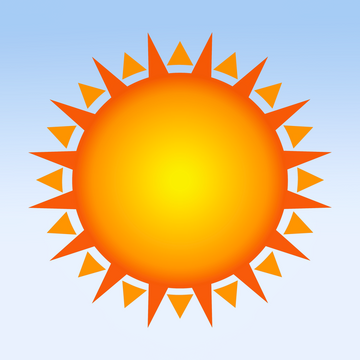
During hot weather:
- check the weather every day
- look out for heat warnings
- go outside in the morning or evening when it is cooler
- if you have asthma or breathing problems, check air quality forecasts.
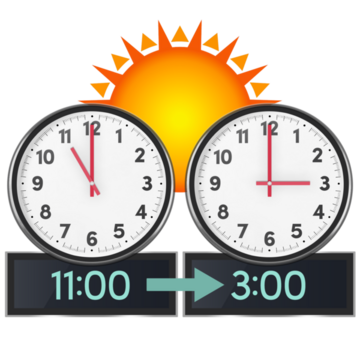
Stay safe in the sun:
- go outside in the morning or evening when it is cooler
- do less physical activity during the hottest part of the day.
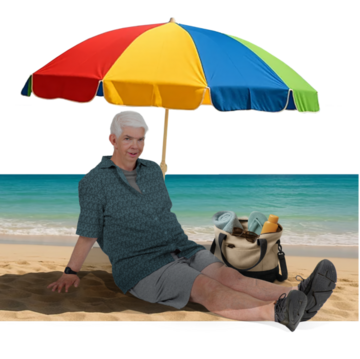
- Try to stay in the shade.
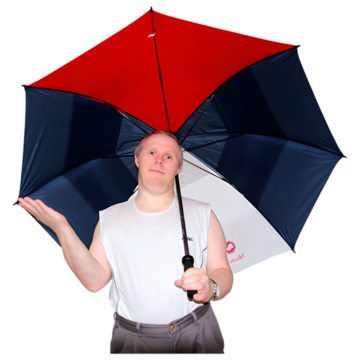
- Take an umbrella for added shade if you go outside.
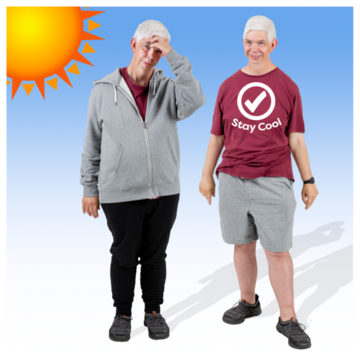
- Wear light, loose clothing. Avoid wearing warm clothes like coats, jumpers and cardigans.
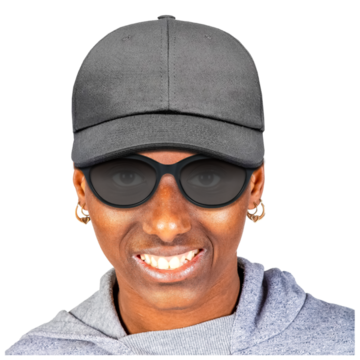
- Wear a hat and sunglasses.
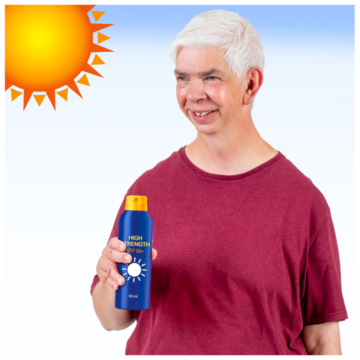
Use suncream
- use suncream with good protection SPF 30 or higher
- put it on before you go outside
- put it on again after 2-3 hours
- put it on again after swimming.
Drink enough fluids
- drink water regularly
- drink even if you do not feel thirsty
- water is best, but milk and squash are also fine
- take a bottle of water with you when you go out.
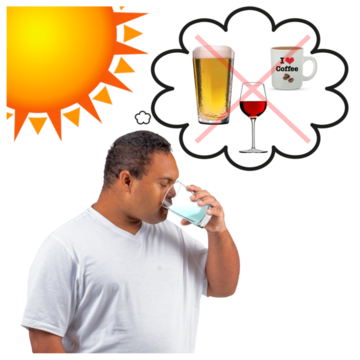
- avoid alcohol and sugary drinks.
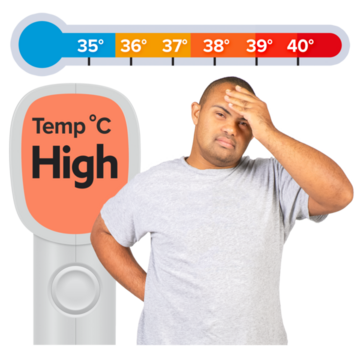
Keep your home cool
- check how hot it is inside
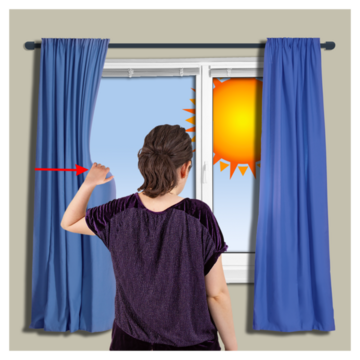
- close curtains and blinds during the day
- open windows at night
- stay in the coolest room
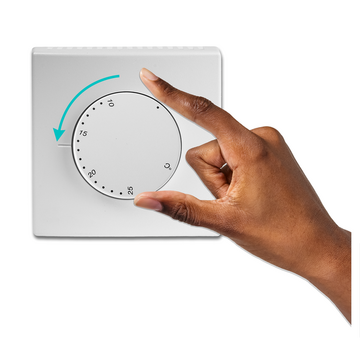
- make sure your heating is off
- turn off lights when you do not need them
- turn off electrical items when not in use
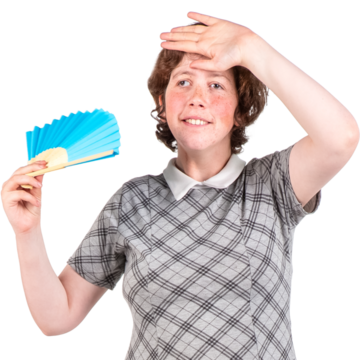
- use a hand held fan, a large fan or air conditioning if you have it
- if your home is too hot, go somewhere cooler nearby.

Look out for others
- check on older people, neighbours, friends, or anyone who needs help
- ask someone to check on you if you need support

- have a plan for what to do if someone becomes unwell
- make sure people know how to get help quickly if it is needed
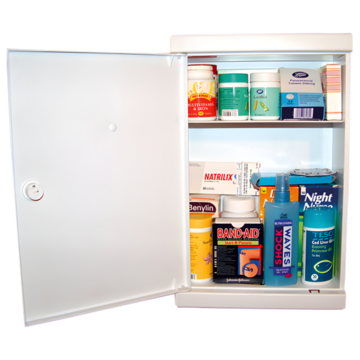
- keep taking your medicine unless a doctor or nurse says otherwise
- store medicines safely and follow instructions to keep them cool.
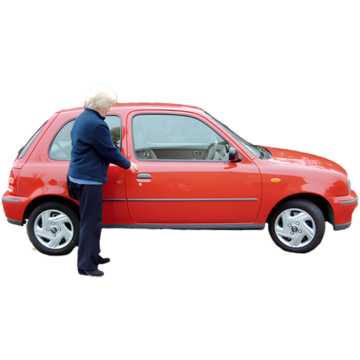
Never leave anyone in a hot vehicle
- cars and other vehicles can become very hot very quickly
- never leave people or pets inside a parked vehicle.
Staying safe around water
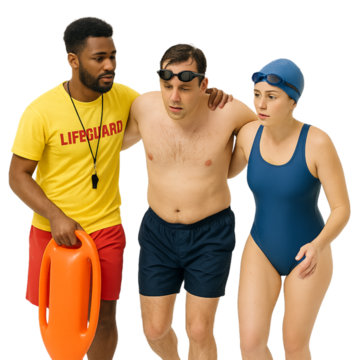
Swimming can help you cool down, but you need to be careful:
- do not swim in rivers, lakes or the sea unless there is a lifeguard
- do not swim after drinking alcohol

- swim in a pool where there is a lifeguard
- use water-resistant suncream and reapply it often
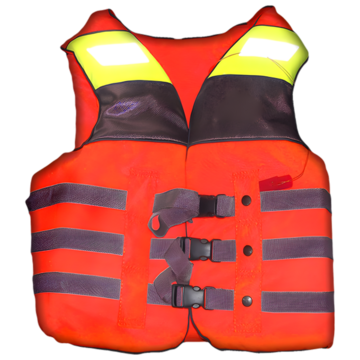
- cold water is dangerous and can shock your body and make swimming difficult
- wear a life jacket when boating or fishing.
Heat safety
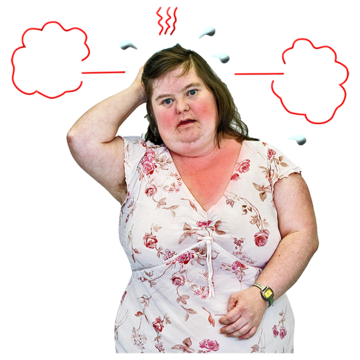
Heat exhaustion happens when your body gets too hot and cannot cool down properly.
We have an easy read guide on heat exhaustion and heat stroke.
Summary
Staying safe in the heat and avoiding heat related illnesses can be stopped by doing a few simple things:
- drink plenty of water
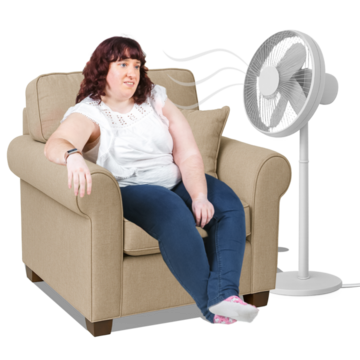
- keep cool
- stay out of the sun in the hottest part of the day
- protect yourself from the sun

- act quickly if someone has heat exhaustion
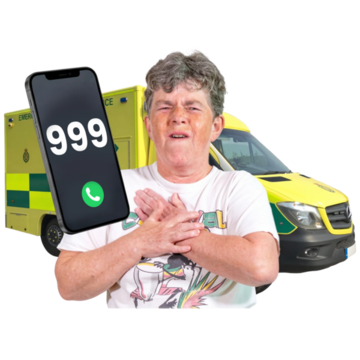
- call 999 if someone may have heatstroke.
Thank you to the British Gas Energy Trust for their generous grant, funding this work.

This Easy Read was first published 23/04/2026
Last updated: 23/04/2026.