
 By Mencap
The government has introduced a new law called the Online Safety Act.
For a long time, some people have been worried about how easy it is for children to access all kinds of potentially harmful content online. With children spending more and more time on the internet these days, this worry has only increased. Now
the government
The Government are the people who run the country. They decide how much tax people should pay for things and how things like the National Health Service should work.
has brought in a new
law
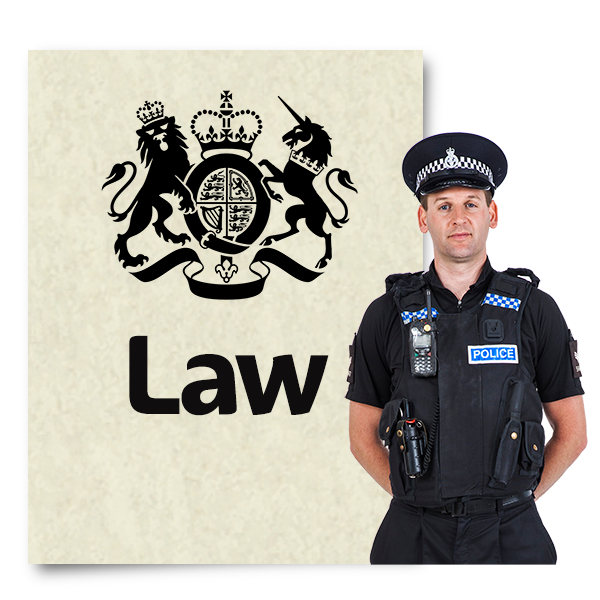 Laws are the rules that everyone in the country has to follow. If you don't follow the rules you can get in trouble with the police.
to try and tackle these fears.
It has been designed by Ofcom, the UK’s media regulator, and it’s meant to make the internet safer in the UK, especially for children and young people. This new law puts more responsibility Responsibility is managing or being in charge of something. onto websites to protect Protect means keeping someone or something safe. people, especially children. It does this by telling them to put restrictions on content that may be potentially harmful to anyone under the age of 18.
What kind of things are now restricted?
The new law lists several types of content that it wants to keep away from children and young people, some of these are:
- Content showing or encouraging suicide or self-harm.
- Content showing or encouraging eating disorders.
- Pornography.
- Violent or disturbing content.
- Misogynistic (hateful towards women) or other hateful content.
What does this mean for online platforms?
Companies who run online platforms (websites and apps) have been told they now have to follow strict rules in the name of protecting children. This will affect both smaller platforms like Mumsnet, and larger ones like Facebook and Reddit. The bigger the platform, the more closely they have to enforce the rules.
These rules include:
- Prevent children from seeing harmful content.
- Verify the age of people using their website or app.
- Remove harmful content quickly if it makes it past their protections, and support any young people affected by it.
- Identify someone whose job it is to make sure these rules are followed.
If a company does not follow these rules, it could face large fines or even be shut down.
What does this mean for you?
One of the first things you might notice when visiting some platforms is that you will be asked to prove you are over the age of 18. They will expect you to provide proof of your age and give you a few options to do this. These options might include:
- Scanning your face with your phone or webcam.
- Using your credit card or bank details.
- Using a photo identification document (ID).
Some people find this concerning because they don’t like the idea of handing over their personal information, they are worried about it being stolen or sold. Other people are worried that these restrictions limit their personal freedoms and may lead to even tighter restrictions later on.
Does the new law affect anything else?
Yes, as well as protecting children, the new law aims to crack down on illegal content on the internet. It does this by ordering platforms to demonstrate that they are committed to keeping illegal content away from their platform. This could be anything involving:
- Extreme violence.
- Trading of drugs.
- Illegal sex acts or sexual abuse Abuse is when someone bullies you and does or says something to you that makes you feel hurt, upset or scared. .
- Terrorism related activity.

Where to get advice around internet safety?
Adjusting to these new rules might be confusing, if you need help, a good place to start is the Internet Matters guides centre. You can also contact the Learning Disability A learning disability is to do with the way someone's brain works. It makes it harder for someone to learn, understand or do things. Helpline if you need further help or explanation.