
Online Safety Act
Online Safety Act
What is the Online Safety Act?
The Online Safety Act is a set of new laws to make the internet safer for people in the UK.

The new laws say that children must not see information, videos or photos online which might make them hurt themselves or other people.

For example, information, videos, or photos about:
- suicide
- self-harm
- eating disorders
- pornography.
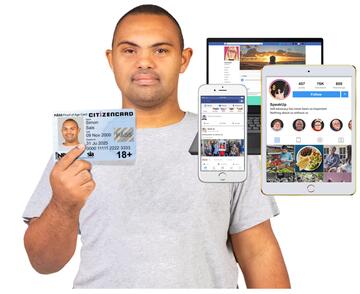
What do companies have to do?
Companies who want people in the UK to look at their information online must do things like:
- make sure that children do not see things in their social media feed which might make them hurt themselves or other people
- check if the person is under 18
- quickly get rid of anything which might make children hurt themselves or other people
- help children who have seen things which might make them hurt themselves or other people
- have a named person who makes sure that children do not see information, videos or photos which might make them hurt themselves or other people.
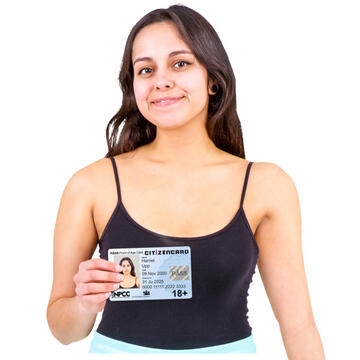
How will the Online Safety Act effect me?
You might be asked to prove you are over 18 if you use websites or apps where you might see information, videos or photos which might make children hurt themselves or other people.

This includes websites and apps like:
- X
- Bluesky.

There are 7 different ways companies might ask you to prove you are over 18:
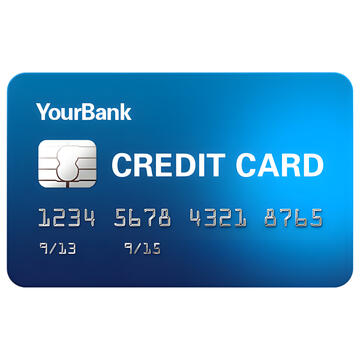
1. Credit card
You give your credit card details, but the business does not take any money from your card.
Someone checks if the credit card details are right. In the UK, you have to be 18 years old or over to have a credit card.
2. Digital identity services
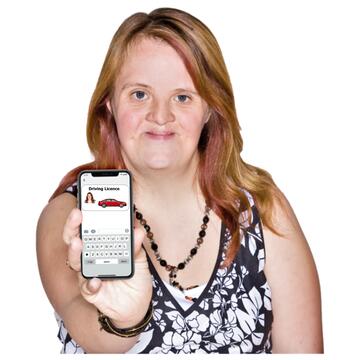
Digital identity services are apps where you can keep electronic copies of important documents like your driving licence and qualifications on your phone.
Some of the documents will prove how old you are.
3. Email address
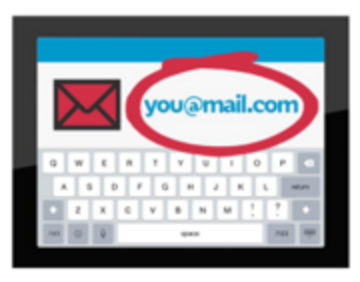
You give your email address and the business looks at what things the email address has been used for to try to guess your age.
For example, they might look to see if you have given your email address to any banks, or gas or electric companies.

4. Your face
You send a video or photo of your face and the business tries to guess your age.
5. Mobile phone number
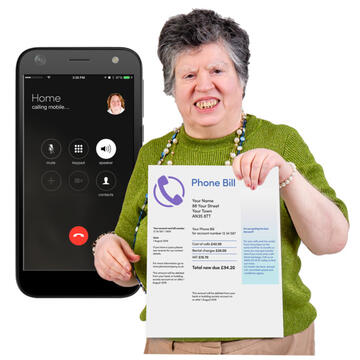
You give the business your mobile phone number. They contact your mobile company to see who pays the bill for that number and if they have any proof you are over 18.
You need to have a contract phone to prove you are over 18.
You can not prove you are over 18 with a pay as you go phone.
6. Bank account
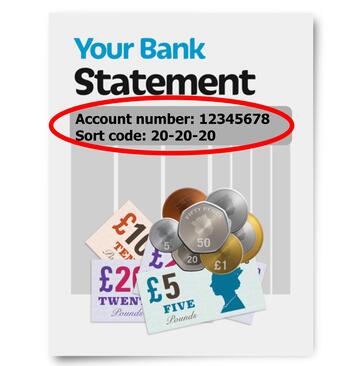
You give the business your bank account details, like your account number and sort code.
The business checks to see if the bank account is for an adult or a child.

7. Photo and ID
You send the business a photo of yourself and some photo ID at the same time. For example a passport or driving licence.
The business checks that the ID belongs to you.
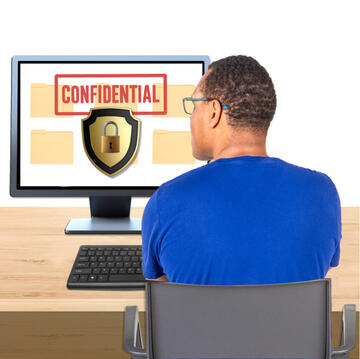
Some people are scared that if they send important information about themselves to businesses, other people might steal it.
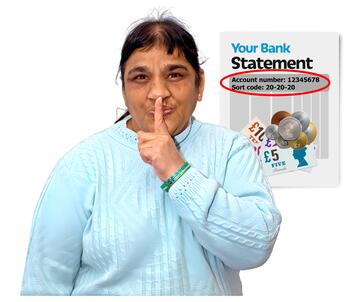
Some people think they should not have to give private information like their bank account details to other businesses.
Internet Matters has a list of guides to help people to stay safe on the internet. This includes guides for:
- TikTok
- PlayStation
- BlueSky
- WhatsApp.

First published 19/08/2025
Last update 19/08/2025