
Delays in Receiving Benefits

If you have made a claim for a benefit but there has been a delay in the
assessment
 An assessment is a way of finding out what help a person needs. When you have an assessment, you might have to go to a meeting or fill in a form.
or receiving your payment, then you may find yourself struggling to manage your day-to-day
finances
 Finances are anything to do with money.
.
This resource explains the options that may be available to you whilst you are waiting for your first benefit payment.
Make a Complaint
If there has been a delay in receiving a benefit, you may want to make a complaint to
the government
The Government are the people who run the country. They decide how much tax people should pay for things and how things like the National Health Service should work.
department or
local authority
 A local authority is also called a council. They are a group of people who make decisions about some of the things in the area where you live like schools, social care (support for people), parks and dustbin collection.
which administers the benefit (e.g.,
the Department for Work and Pensions
The Department for Work and Pensions is sometimes called the DWP. It is part of the government and manages payments and benefits like Universal Credit, Personal Independence Payment, Employment and Support Allowance, and Income Support.
(
DWP
DWP stands for the government Department for Work and Pensions.
) about a delay in
Personal Independence Payment
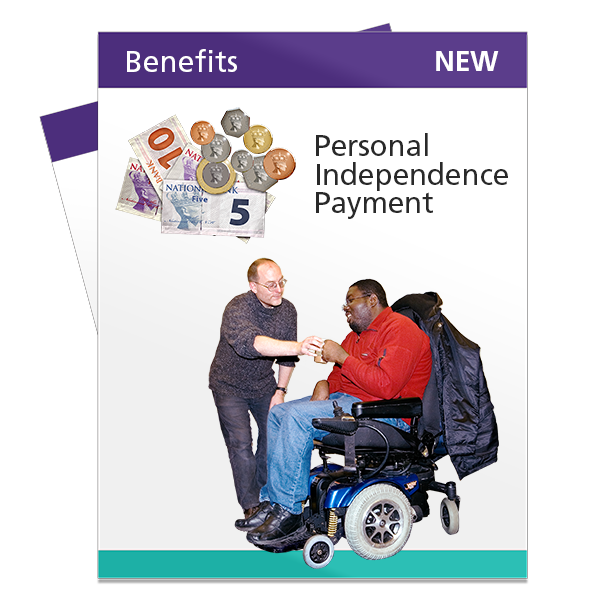 Personal Independence Payment (PIP) is the name of a benefit that some people with a disability or health condition get. The money is to pay for extra help you might need to look after yourself and to get around. Some people who used to get Disability Living Allowance (DLA) now get PIP instead.
(PIP), HMRC for a delay in
tax
 Tax is the money that pays for things like schools, hospitals and the police. There are different types of taxes like income tax, VAT and council tax.
credit payments and the
local authority
A local authority is another name for your local council. It is a group of people whose job is to look after the area where you live.
for a delay in housing benefit payment).
It is best to put your complaint in writing so that there is a record of what you have said. Complaining about the delay may speed up the time it takes for the issue causing the delay to be resolved.
Depending on the circumstances you may receive compensation. Visit the Citizens Advice website to find more information on how to complain about the
service
A service gives people what they need, like healthcare services that help people when they are ill, and support services that give people support.
you have received.
Short Term Advances
An advance on the first benefit payment you receive may be available to you if you are in urgent financial Financial means anything that is to do with money. It is used to describe how people, businesses, or governments get money and how they use it need and have either:
- Made a new claim for a benefit (e.g., Jobseeker’s allowance (JSA),
income
Income is all the money you get from things like paid jobs and government benefits.
support,
employment
 Employment means having a job.
, and support allowance (ESA), carer’s allowance, pension credit, state pension – means-tested) and are waiting for the first payment
- Had a significant change in circumstances that means the benefit will go up by a large amount and you cannot wait until the next payment
- It is not possible to pay the benefit on its due date - this could, for example, be due to a technical problem in processing your claim or payment.
This is known as a short-term benefit advance
Urgent financial need means that if you do not get a short-term benefit advance there is a serious risk of damage to the health and/or safety of you or your family.
The amount paid will depend on your circumstances. If you are awarded an advance payment it will need to be paid back out of future payments
You can apply for a short-term benefit advance either through the relevant contact centre or an advisor in your local Jobcentre Plus. A short-term benefit advance request will then be sent to the relevant benefit centre to be decided.
You may find the following contacts numbers useful:
Income support, ESA or JSA (Monday to Friday, 8am to 6pm)
- 0800 169 0310
- 0800 169 0314(Textphone)
Carer’s Allowance
(Monday to Thursday, 8:30am to 5pm. Friday, 8:30am to 4:30pm)
- 0800 731 0297
- 0800 731 0317(Textphone)
Pension Credit or State Pension (Monday to Friday, 8am to 6pm)
- 0800 731 0469
- 0800 731 0464(Textphone)
Universal Credit (How to apply for an Advanced Payment)
If you have not already applied for Universal Credit but are thinking of doing so, you should seek advice on your individual circumstances first.
If you have already applied for Universal Credit, it will take at least 5 to 6 weeks from applying for Universal Credit before you receive your first payment. Therefore, at the Universal Credit
interview
 An interview is a meeting where you talk to someone or a group of people about something. When you have an interview for a job, you have to answer questions and say why you would be good at the job. The person who gives the best answers is offered the job.
you can ask for an advanced payment.
This money will have to be paid back from your future Universal Credit payments.
You must give a breakdown of the things that you need the payment for (e.g., food, utility bills, petrol etc.) and why you need the advance (e.g., your health and safety will be put at risk if you do not have the money for food and heat).
Visit the Citizens Advice
website
 A website is a page you can go to on the internet like Google or YouTube.
for detailed information on advance payments.
You can apply for universal credit by calling the Universal Credit helpline on:
0800 328 5644 or 0800 328 1344 (textphone)
Local Welfare Scheme
Local authorities A local authority is another name for your local council. It is a group of people whose job is to look after the area where you live. Local authorities means more than one local authority. have responsibility Responsibility is managing or being in charge of something. for grants and loans to help with independent living or in crisis situations. In England, each authority manages its own scheme.
The help provided can include “test and trace support payments” if you employed or self-employed, need to self-isolate because of coronavirus, cannot work from home and have an award for a qualifying benefit (e.g., universal credit). To find out what help is available in your area contact your local authority.
Housing Benefit Payment on Account
The housing benefit department should deal with your claim within 14 days of you making your claim. If your claim takes more than 14 days to process and you are a private or housing association
tenant
 A tenant is the person (or people) that live in the landlord’s property and pay rent to live there.
, ask for a housing benefit payment on account. Payment on account is a temporary payment to help you keep up with your
rent
Rent is the money that you pay to live in your home when you have a tenancy agreement. Your home belongs to a landlord, but you have a right to live there as long as you follow the rules that are in your tenancy agreement.
.
Visit Shelter’s website for more information about payments on account.
If you are facing difficulty and need some help with paying your rent or
Council Tax
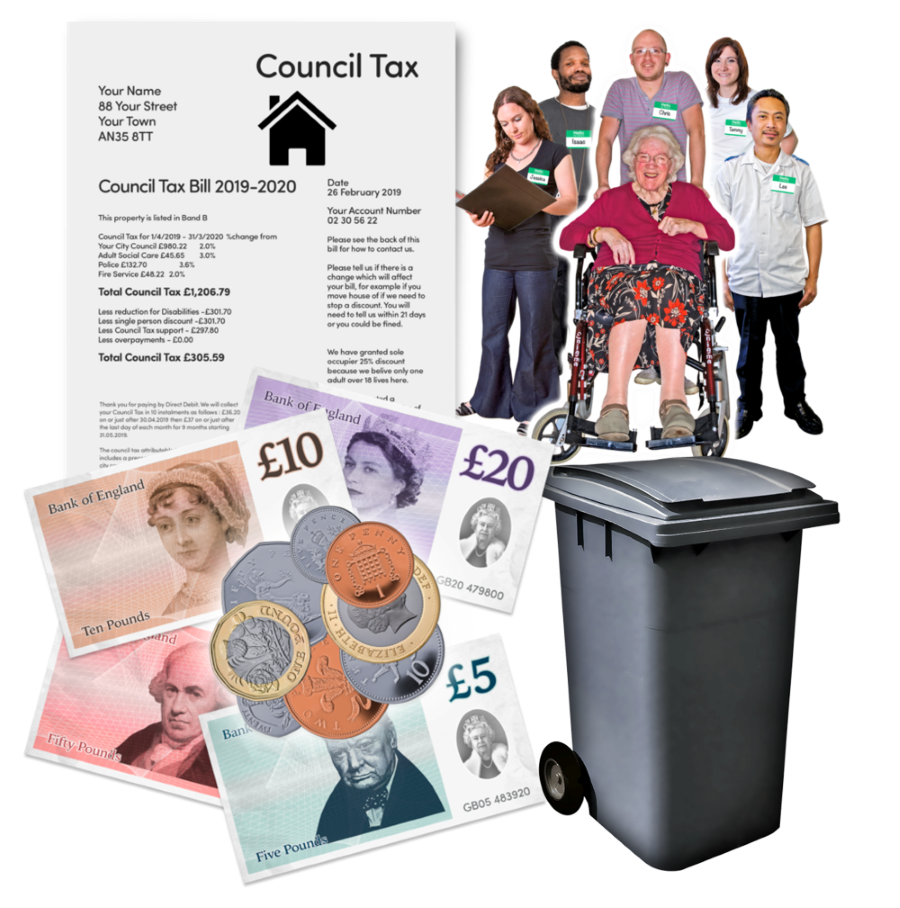 Council Tax is the money that people pay to the council. It helps to pay for things like social care (support for people), parks and dustbin collection.
, you might be able to apply for a short-term
Discretionary
Discretionary means it is up to somebody to decide if you get something.
Housing Payment from your
council
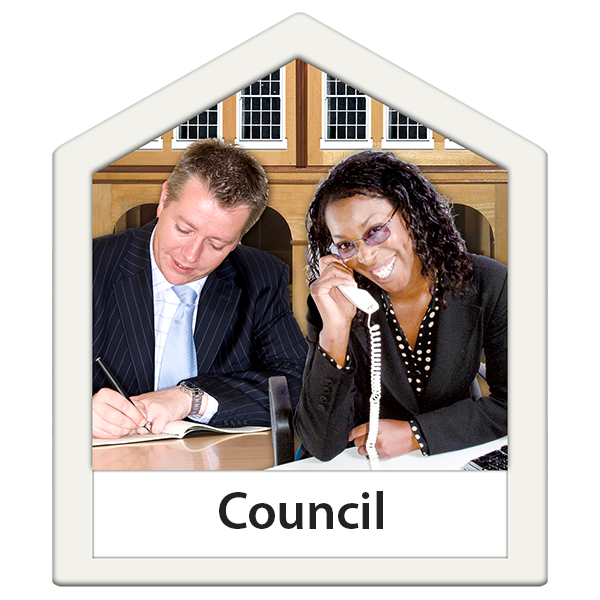 A council is also called a local authority. They are a group of people who make decisions about some of the things in the area where you live. These include: schools, social care (support for people), parks and dustbin collection.
. You must already be receiving Housing Benefit or the housing element of Universal Credit in order to be able to claim a Discretionary Housing Payment.
You’ll need to apply to your local council housing benefit department to ask for a payment on account or to apply for a Discretionary Housing Payment.
Help with Food
If there has been a delay in your benefit payments and you do not have enough money to buy food, then you may be able to get three days’ worth of food from your local food bank.
Each foodbank works with different frontline professionals, such as doctors, health visitors, social workers, and the Citizens Advice, who make referrals to the foodbank using a voucher.
The foodbank and referral agency use the voucher to gather some basic information about you. This will help them to identify the cause of the crisis, offer advice and prepare suitable emergency food for you.
Once you have been issued with a voucher, you can exchange this for a minimum of three days’ emergency food at your nearest foodbank centre.
Find your local foodbank by entering your location on The Trussell Trust website.
Help with utility bills
It is important that you do not fall behind with energy bills in order to avoid the risk of having your gas or electricity cut off.
If you are finding it difficult to pay your utility bills because of the delay in receiving your benefits you should contact your energy provider to let them know. They may be able to temporarily reduce your payments, give you a payment holiday or put you onto a cheaper tariff. In some circumstances, they may even be willing to reduce or write off your bill.
Most utility companies have a special fund which you can apply to for help with your energy bills. Take a look at the Ofgem website to find out more.
You may also be able to get a grant from another charity to help you with paying your utility bills. Turn2us has a grants search tool which you can use to see which grants you may be able to apply for
Applications to Charitable Funds
It may be possible to apply to a charitable fund if you are in financial need and
require a grant. Use the Turn2us grant search tool to see which grants may be available to you.
Apply for a Budgeting Loan
Budgeting Loans are interest free loans available through the DWP to cover essentials such as clothing, footwear, or furniture. They are available to people who receive means tested benefits (such as income-based Jobseeker’s Allowance, Income Support or income related Employment and Support Allowance Employment and Support Allowance is sometimes called ESA. It is a benefit for people who find it harder to get a job because of a disability or a long term health condition. ).
However, they are not available if you’ve just made a new claim for a means tested benefit. You need to have been claiming for at least 26 weeks.
Claiming a budgeting loan is a potential option if there is a delay in the payment of a disability benefit such as PIP or Attendance Allowance and you are already receiving a means tested benefit.
To make a claim you can ask an advisor at a Jobcentre Plus for an
application form
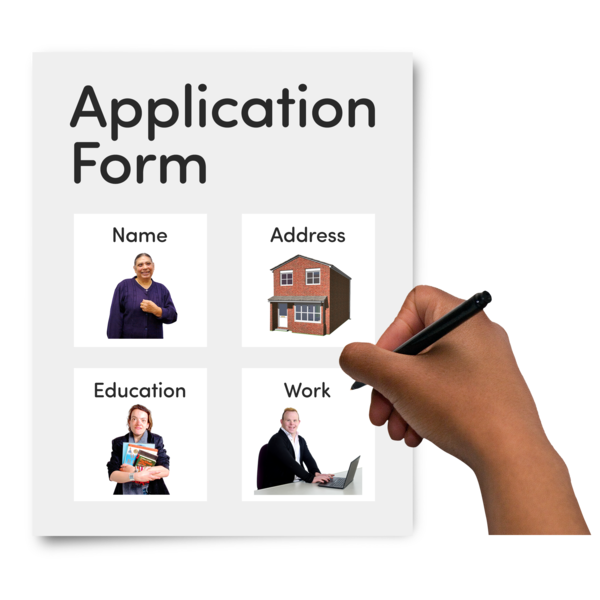 An application form is a form you have to fill in to try to get something.
.
The loan repayments will be taken directly from your means tested benefit payments.
You can apply online at: https://www.gov.uk/budgeting-help-benefits/how-to-apply.
You can also apply using claim form SCF500 which you can download from the website or order from the social fund on 0800 169 0140, textphone 0800 169 286.
Advice on Budgeting and Managing your Debts
If you are struggling to cope with amount of money that you have to live on, then you may find it useful to get advice on how to manage your money.
If you are struggling to keep up with payments and are getting into debt, then you may benefit from speaking to a debt specialist.
You should never have to pay for debt advice or for help with negotiating repayments (although you may have to pay towards court costs depending on your circumstances). If a debt advisor is asking for payment, then you should go to another adviser as there are lots of organisations Organisations are groups like companies and businesses. that provide debt advice and guidance Guidance means being given clear instructions to be able to do something well. for free.
Visit the Money Helper website for further information on budgeting and how to get debt advice.
Apply to your Local Credit Union
Credit unions offer loans at low rates and help credit union members who need financial help.
Some credit unions might lend money straight away to new members without having to save with them first. However, you will have to pay a higher interest charge than the rates offered to regular savers, but this rate is usually much lower than other high-cost credit, such as payday loans or doorstep loans.
Approval for a loan will depend on what the credit union offers and your personal circumstances.
The credit union will want to be sure you can afford to pay the loan back, but will work with you to make sure this is manageable.
Taking out a loan should only be done as a last resort if none of the other options set out above are available to you.
For more information about this resource, please contact the Learning Disability A learning disability is to do with the way someone's brain works. It makes it harder for someone to learn, understand or do things. Helpline.
Phone: 0808 808 1111
Email: [email protected]
This resource was first published: 07/09/2023
Last amended: 07/09/2023