
Better Together information pack: 12. Who regulates Mencap services? - Applicable to England only

The Better Together pack has been split into different documents, each covering a different area of information about Mencap and our services; including how we work with the people we support, and the importance of building and maintaining strong
relationships
 Relationships are about the people in your life. You might have different types of relationships like friendships, family relationships, or a boyfriend or girlfriend.
with their family and friends.
The information on this page is applicable to England only.
The following information follows the What is the difference between ‘registered services’ and ‘supported living services’? section (applicable to England only) of the Better Together information pack.
Who regulates Mencap services?
Most Mencap services are regulated, which means that an external body checks the quality and safety of the support being provided. Regulation helps us to continually challenge ourselves to be better and to strive for excellence in our work.
Regulators vary across our regions with separate regulators for England, Wales and Northern Ireland.
Services in England
The regulator for England is The Care Quality Commission (CQC).
What is the CQC?
CQC is the independent regulator of all health and
social care
 Social care means the services that give care and support to people who need it.
services in England. They monitor, inspect and regulate hospitals, care homes, GP surgeries, dental practices and other care services to make sure they meet fundamental standards of quality and safety.
What does the CQC do?
In
supported living
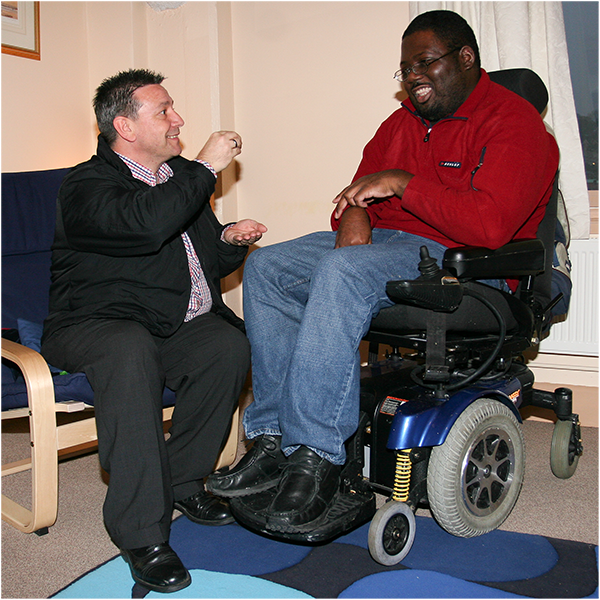 Supported living is when you live in your own home with support from staff. People who live in supported living have a tenancy agreement.
services, the CQC only inspect the services provided to people who receive personal care1. They are NOT authorised to review the care received by people living in supported living settings if they do not receive personal care.
In Mencap’s registered services, the CQC inspect care generally, including where people do not receive personal care. They do not have to give us notice before they inspect these services.
You can find out about the difference between supported living and residential services in the ‘Who regulates Mencap services’ document in the Better Together pack.
Please ask the managers that oversee the service if you require clarification on whether your family member or friends care is regulated by the CQC.
Inspection frequency
Services can be rated Outstanding, Good, Requires Improvement or Inadequate.
A service will have a complete inspection based on CQC
assessment
 An assessment is a way of finding out what help a person needs. When you have an assessment, you might have to go to a meeting or fill in a form.
of risk.
Services may be inspected at any time but usually, the frequency of inspections depends on the outcome of previous inspections, or if any concerns have been raised about a service.
CQC may also undertake more focused inspections in response to specific information that they have received, or to follow up findings from a previous inspection.
Inspection reports are published on CQC’s
website
 A website is a page you can go to on the internet like Google or YouTube.
: https://www.cqc.org.uk/ and are available for families and others to access.
What assessments look like?
Inspections can be announced or unannounced meaning that sometimes we will know that inspectors are coming and when, whilst on other occasions we may be given very little warning.
Inspectors will meet with the people we support, colleagues and some families to get a picture of what is going well, and what could be improved. They will be looking to check that services are safe, effective, responsive, caring and well-led and will give an individual rating for each of these five areas; these are their ‘key lines of enquiry’. An overall rating will also be given.
How families are involved?
Before an inspection takes place, CQC will ask us to provide them with a list of families of the people we support. CQC will then contact families to seek feedback as part of the inspection; this is confidential Confidential means something is private. and families are able to speak freely to the inspector about their experiences.
Contact details
Should you wish to contact the CQC, you can do so by:
- Telephone: 0300 061 6161
- Post: CQC, National
Customer
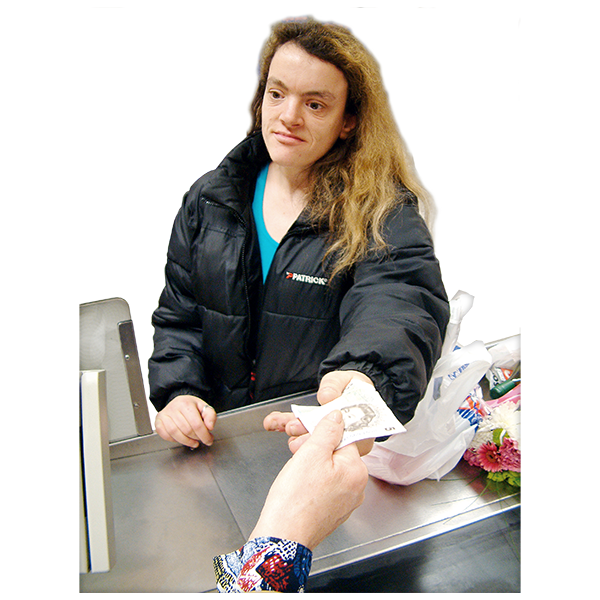 A customer is a person who buys something or uses a service.
Service Centre, Citygate, Gallowgate, Newcastle upon Tyne. NE1 4PA
- The CQC also have an online contact form: http://www.cqc.org.uk/contact-us/general-enquiries/contact-us-using-our-online-form
- Website: www.cqc.org.uk
The next section of the Better Together information pack is General Data Protection Regulation (GDPR)
1. Definition of personal care:
If we provide physical assistance to a person, or prompting together with supervision, in connection with any of the tasks listed below, then we are providing regulated activity.
Tasks:
- Eating or drinking (including the maintenance of established parenteral nutrition)
- Toileting (including in relation to the process of menstruation)
- Washing or bathing
- Dressing
- Oral care
- Care of skin, hair and nails (with the exception of nail care provided by a person registered with the Health and Care Professions
Council
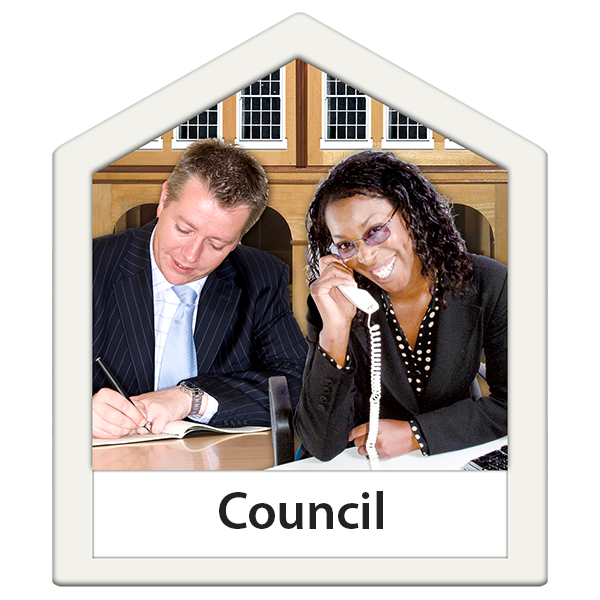 A council is also called a local authority. They are a group of people who make decisions about some of the things in the area where you live. These include: schools, social care (support for people), parks and dustbin collection.
as a chiropodist or podiatrist).
The information on this page was first published as a PDF in September 2022.
Last updated 18.05.2026.