
Bespoke Packages and Transforming Care

What is a bespoke package of care?
Many people leaving in-patient services display
challenging behaviour
 Challenging behaviour can be when someone hurts themselves, hits or pinches someone else, or breaks something. Some people might behave like this because they are upset or because people do not understand them.
and have complex health and social needs. Often, fitting into an existing
service
A service gives people what they need, like healthcare services that help people when they are ill, and support services that give people support.
is simply not appropriate.
A bespoke service is one which is developed around the person’s individual needs, rather than, for example; relying on the availability of a bed in a residential or
supported living
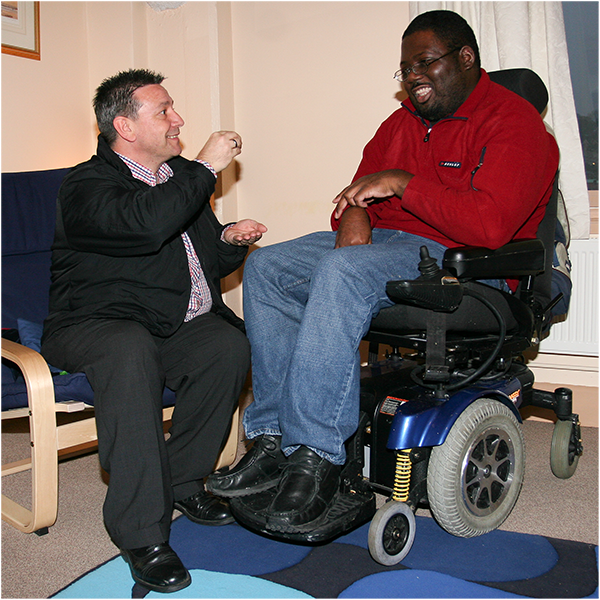 Supported living is when you live in your own home with support from staff. People who live in supported living have a tenancy agreement.
service.
Normally, it will consist of:
- Housing - A house, bungalow or flat that is suitable for the person’s needs e.g., right location & number of rooms, parking etc.– it may need adaptations to make it safe
- Support team – A team of
support workers
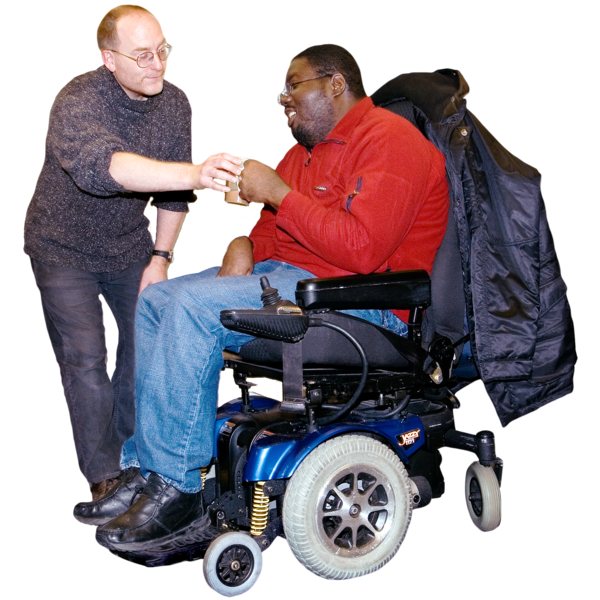 Support workers are people who are paid to give care and support to people who need it.
who are recruited and trained specifically to meet the person’s needs and deliver their care. The service is designed around the individual’s needs and wishes using person-centred planning and support.
- Specialist input - To meet the person’s complex needs ongoing input from specialists such as Psychologists, Psychiatrists or Speech & Language Therapists may be required. This may be provided via the support provider, the local
Community
A community is the people and places in an area.
Learning Disability
A learning disability is to do with the way someone's brain works. It makes it harder for someone to learn, understand or do things.
Team, or Intensive Support Service or in some instances purchased from the independent market using a Personal
Budget
 A budget is a plan where you look at how much money you have and how you will spend it.
Housing - Where do I start?
Bespoke services are delivered in accommodation chosen specifically for the person.
The first step is to agree what the person’s housing needs are. This should be written down in a document called a “housing specification”.
The care co-ordinator should create this with input from the person, their family, current provider, and Multi-Disciplinary Team. The specification should clearly set out everything that the person will need in their new home. It should consider things such as:
- Living arrangements e.g., individual or shared
- Type of property e.g., flat, bungalow, detached, semi-detached
- Location
- Size
- Design and adaptations
- Décor and furnishing
- Assistive technology which would need to be incorporated e.g., lighting sensors, alarms
- Security and risk management (and whether this impacts on design and adaptations.)
What are the housing options?
There are pros and cons to different housing options.
The right option should be agreed between the person, commissioner, Multi-Disciplinary Team, and their family.
The most common options are:
- Living in the family home, with necessary adaptations undertaken and staff working in the home
- Renting from a social
landlord
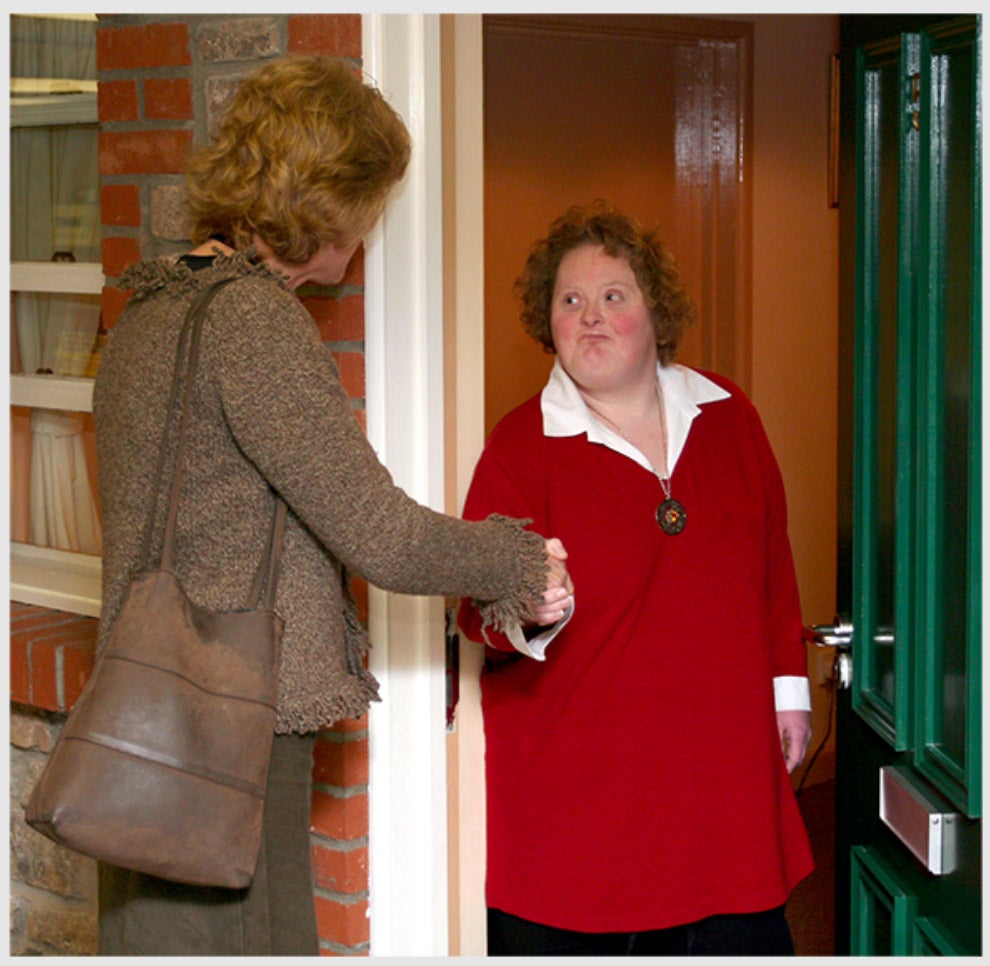 A landlord is the owner of a property which they rent out to tenants. They can be a council, a housing association, or an individual person.
(social housing)
- Renting from a private landlord
- Home ownership (there are a variety of options and schemes available)
If a suitable house is not available, creative solutions must be considered. For example, a house could be purchased and then rented to an individual through a registered housing provider or alternatively a bespoke property can be built based on individual needs.
Capital funding is available to Clinical Commissioning Groups and
Local Authorities
A local authority is another name for your local council. It is a group of people whose job is to look after the area where you live. Local authorities means more than one local authority.
through the Transforming Care programme to expand the housing options available to people with learning disabilities and
autism
 Autism is a disability. Autistic people find it difficult to understand what other people think and feel. They also find it difficult to tell people what they think and feel. Everyone with autism is different.
who display behaviour that challenges, details are available in “Building the Right Home”.
What does a housing provider do?
Registered housing providers (also known as social landlords) are organisations Organisations are groups like companies and businesses. which own and manage social housing. They are normally either councils or Housing Associations.
Sometimes, organisations act as both a care and a housing provider.
The housing provider will find and supply the accommodation in line with the housing specification and provide all the duties of a social landlord.
Maintenance
The provider will normally have a
tenant
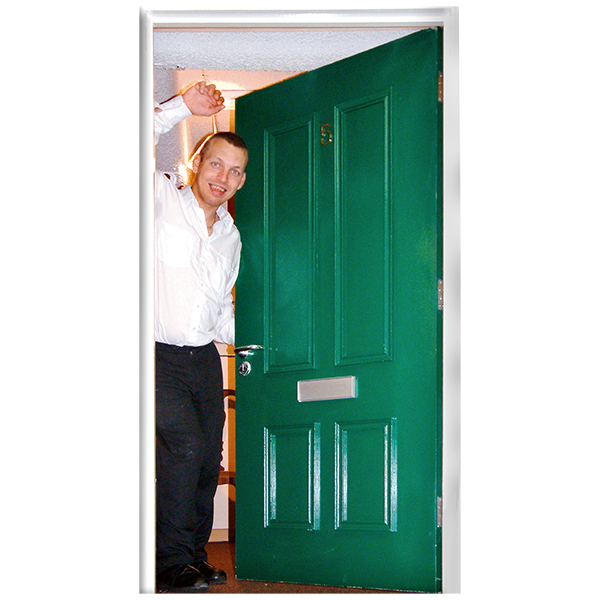 A tenant is the person (or people) that live in the landlord’s property and pay rent to live there.
handbook with information about
rights
Rights are the things everyone should be allowed to do like have a say, or go to school.
and responsibilities. If the person displays challenging behaviour, it is important to establish who will be paying for any repairs caused by this behaviour. This might be the commissioner, care provider, housing provider, tenant, or a combination of these.
For more information about renting through a social landlord, see the Citizen’s Advice Bureau’s factsheet
For more information on all aspects of house planning, including funding, see the Challenging Behaviour Foundation’s ‘Planning Your House’ Information Pack'
Support team
Individuals with complex needs require skilled support tailored to their individual needs. This is usually put in place by the commissioner appointing a care provider to deliver a package of support. Alternatively, the commissioner can provide the individual or individual’s
representative
 A representative is also called a rep. A representative is someone who speaks up for everyone in their group or team.
with a Personal Health Budget which they can use of employ a team of staff to provide support
Care provider
A care provider will:
- Undertake an
assessment
 An assessment is a way of finding out what help a person needs. When you have an assessment, you might have to go to a meeting or fill in a form.
to decide if they can meet the person’s needs
- Work with the hospital staff, the multi-disciplinary team (MDT) and the person (in line with any relevant capacity assessments) and their family to create a person-centred care and support plan. They should also develop a transition Transition means changing from one thing to another. Transition sometimes means things like when you change from having children's social care to adult social care. plan detailing how the person will be supported through the discharge process (e.g., Through visits to the new local area, spending time with new staff, using pictures and social stories.)
- Recruit a staff team which is in line with the person’s care and support plan involving the person and their family in the recruitment process
- Identify and work with the housing provider to ensure that support will be delivered in the right environment
- Provide care in line with the care and support plan to ensure the person has a range of meaningful activities to take part in and is enabled to build friendships and
relationships
 Relationships are about the people in your life. You might have different types of relationships like friendships, family relationships, or a boyfriend or girlfriend.
(and attend regular, person-centred reviews at a frequency determined by the MDT)
- Provide the person and their family with a clear point of contact e.g., team leader/
manager
 A manager is a boss at work. They tell you what you need to do and give you support if you need it.
For more information about what you should look for in a service, and what questions to ask, see the Challenging Behaviour Foundation’s pamphlet on ‘Well matched and Skilled Staff.’
Personal Health Budget
A personal health budget is an amount of money to support the person’s needs which is planned and agreed between the person (or a representative such as a family carer) and the local Clinical Commissioning Group (CCG). A personal health budget is available to people receiving
NHS
The NHS is the National Health Service. The NHS gives free healthcare to everyone in the UK and includes things like your GP (doctors) surgery and hospitals.
Continuing Healthcare funding.
A personal health budget allows
the budget
 The Budget is the plan the government has for what it will spend money on and how it will raise money to pay for the spending. The Budget tells us if there will be any changes to how much people pay for things.
holder to either purchase services from one or more care providers or to directly employ staff themselves. Together with the CCG, a care plan is developed to set out how the budget will be spent. The care plan should be regularly reviewed.
Specialist input
It is important that people with learning disabilities and behaviour that challenges and/or mental health problems have ongoing access to specialist input to provide support such as an individualised Positive Behaviour Support plan. This is often vital to ensure the person’s needs are met and they are not re-admitted to hospital.
Depending on the person’s needs they may need input from a range of specialists including Psychologist, Psychiatrist, Speech and Language Therapist, Occupational Therapist and Learning Disability Nurse.
Depending on the person’s needs and the services that are available locally there are different solutions to achieve this:
- The care provider can include access to specialist input as part of the care package. The provider employs specialist staff to provide input as set out in the care plan.
- The person accesses support from the local NHS Community Learning Disability Team or Intensive Support Service. Provision varies around the country, whilst some areas provide excellent services, other areas are not able to meet the needs of their local population and are missing key professionals or have long waiting lists and are not able to respond to changing needs.
Where specialist input it not available from the local NHS team it may be possible for the commissioner to purchase services from independent specialists or for the individual or their representative to use a Personal Budget to buy in the support that is required.
When should a bespoke package be created?
The earlier that the different elements of a bespoke package of support can be identified, the better.
Guidance
Guidance means being given clear instructions to be able to do something well.
states that discharge planning should begin as soon as the person is admitted to an inpatient unit.
The commissioner should develop and oversee a discharge plan which sets out everything which needs to happen as part of discharge. This plan should be like a project plan and should be detailed with clear timeframes.
Note - care and housing providers can be searched for alongside each other. It is not necessary to wait for one to be found before looking for the other. Some providers offer both care and housing services.
How can I help?
A bespoke package of support is likely to take between 6-12 months to put in place.
If the search for a care or housing provider is not being discussed, or is slow, you
can help by:
- Requesting an assessment of need or Continuing Healthcare Assessment and a “pen picture” (summary of the person’s needs) which can be shared with providers
- Requesting a housing specification
- Asking for a discharge plan to be created at a meeting such as a Care & Treatment Review or CPA or write to the care co-ordinator or commissioner about this
- Ask for a list of providers who have been contacted, then research Research is a way of finding out information which could come from books, or asking people what they think. and suggest others. Contact Mencap for details of any local providers included in the Transforming Care ‘Provider Taskforce.’
- Ask for a list of housing options that have been considered, then research and suggest other solutions.
- Seek specialist legal advice
For top tips on wider discharge planning – see the Mencap, Challenging Behaviour
Foundation and Respond guide Meeting the Challenge Guide 6 ‘Planning A Successful Discharge'.
For more information about this resource, please contact the Learning Disability Helpline.
Phone: 0808 808 1111
Email: [email protected]
This resource was first published: 24/07/2023
Last amended: 24/07/2023