
MENCAP STATEMENT FOR THIRSK AND MALTON AREA CONSTITUENCY COMMITTEE MEETING
Mencap is deeply concerned by the proposed closure of Cauwood Day Centre, a specialist
service
A service gives people what they need, like healthcare services that help people when they are ill, and support services that give people support.
used by adults with learning disabilities,
autism
 Autism is a disability. Autistic people find it difficult to understand what other people think and feel. They also find it difficult to tell people what they think and feel. Everyone with autism is different.
and complex needs in Ryedale.
For many people,
day services
 Day services are things some people with a learning disability do in the day, usually as part of a group. For example: drama or craft.
like Cauwood are not optional extras. They are essential support that provides routine, purpose, social connection, friendships and opportunities to participate in
community
A community is the people and places in an area.
life. They also provide families and unpaid carers with vital
respite
 Respite is when a person goes somewhere for a few hours or days to have a break. People with a learning disability can have respite from their carers and family, and carers and family can have respite from the people they care for.
and the confidence that their loved ones are safe, supported and able to thrive.
We know from our work with people with a learning disability A learning disability is to do with the way someone's brain works. It makes it harder for someone to learn, understand or do things. and their families across England, Wales and Northern Ireland that when day services are reduced or closed, people can become more isolated, more anxious and less able to participate in everyday life. Once specialist services are lost, they can be extremely difficult to replace.
What is particularly striking about Cauwood is the complexity of the needs it supports. Families tell us that people attend the service because alternative community provision is often not
accessible
 Accessible means something is easy for people to use or join in with. For example: Accessible writing means the writing is easy to read and understand.
or appropriate for their support needs. Campaigners have highlighted that many attendees require specialist facilities, including wheelchair access and high levels of support.
We recognise that councils across the country are operating under immense
financial
Financial means anything that is to do with money. It is used to describe how people, businesses, or governments get money and how they use it
pressure and are being asked to make difficult decisions about adult
social care
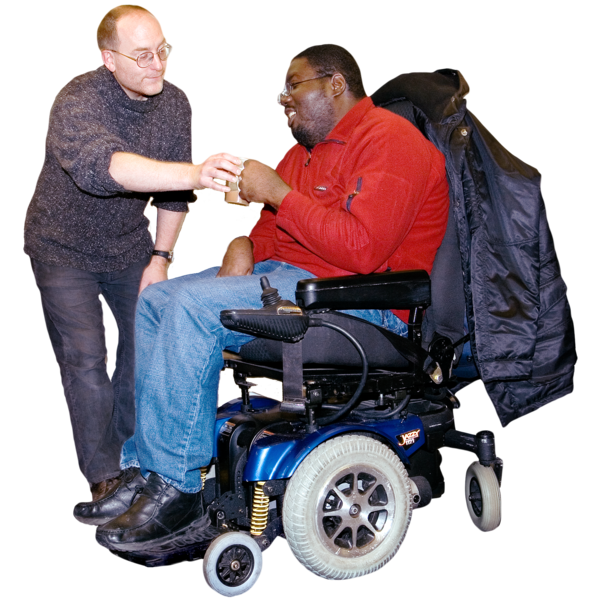 Social care means the services that give care and support to people who need it.
. However, disabled people should not be the ones who bear the cost of a system that is chronically underfunded. Local and national leaders must work together to
protect
Protect means keeping someone or something safe.
the specialist support that enables people to live fulfilling and connected lives.
Before any decision is made about the future of Cauwood, it is vital that the voices of the people who use the service, their families and carers are heard and meaningfully considered. The test should not be whether a building can close. The test should be whether people with learning disabilities and autism will have access to support that genuinely meets their needs, protects their wellbeing and enables them to participate fully in their communities.
People with a learning disability deserve the same opportunities for connection, creativity, friendship and
independence
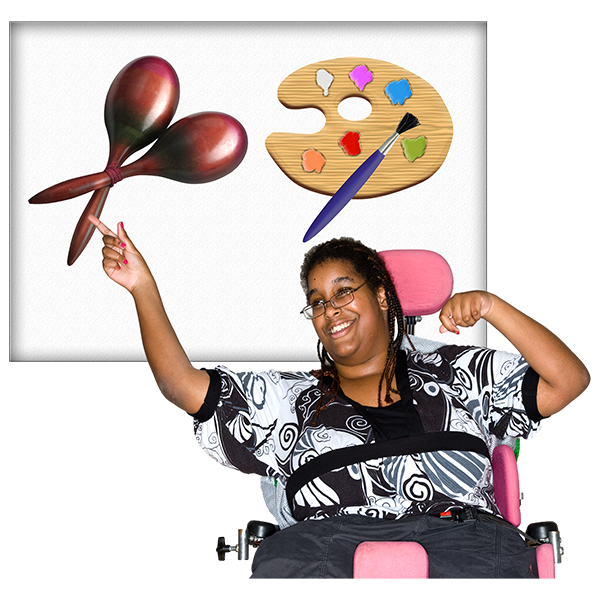 Independence means doing things on your own. Making your own choices.
as everyone else. We urge
councillors
 Councillors are the people who work for the council. They make important decisions about the area where you live.
to carefully consider the impact that losing this specialist service could have on some of the most
vulnerable
Being vulnerable means being at risk of harm, or that you need special care because of your age or disability.
people in the community and on the families who support them every day.
Note to editors
About Mencap
There are 1.5 million people with a learning disability in the UK and they deserve to live their life to the full. So Mencap supports people with a learning disability to succeed in the things that matter to them. To ensure that people with a learning disability are not left behind at any stage of their life, we campaign for a fairer society; work with families and partners to build inclusive communities; and we deliver person-centred services. We’ve spent 80 years changing lives. Now, with Mencap 2030, we’re changing the future.
What is a learning disability?
A learning disability is a reduced intellectual ability which affects someone for their whole life. Typically, people with a learning disability need more time to learn and process information. They may need extra support to develop skills, complete tasks and interact with others, or they may have more complex needs requiring round-the clock care. The level of support needed is different for everyone and may change during a person’s lifetime.
Learning disability is NOT a mental illness or a learning difficulty. Often, the term ‘learning difficulty’ is wrongly used in place of ‘learning disability’. Having a learning difficulty (such as ADHD or
dyslexia
 Dyslexia is a learning difficulty. People who have dyslexia can find it hard to read, write and spell.
) may mean a person learns at a different pace or in a different way BUT – unlike a learning disability - it does not affect a person’s intellect.
With the right support, most people with a learning disability can lead happy, healthy, independent lives. At Mencap, it’s our mission to remove societal barriers and shatter misconceptions to make this more possible for more people.
Mencap’s guide to reporting on Learning Disability
When it comes to creating content with people with a learning disability, we know many people feel nervous about saying and doing the wrong thing. Our guide for journalists, covers everything from up-to-date facts and figures to the right language to use. It also includes tips on how to work with people with a learning disability to gather the best content.
For further information, please contact Mencap’s media team on: [email protected] or 02076 965414 (including out of hours).
