
Dan Scorer, Director of Public Affairs at learning disability A learning disability is to do with the way someone's brain works. It makes it harder for someone to learn, understand or do things. charity Mencap, says:
“For people with a learning disability,
social care
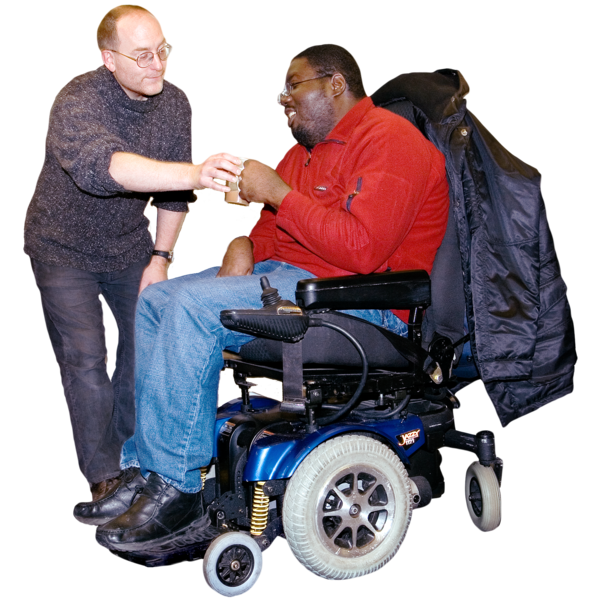 Social care means the services that give care and support to people who need it.
is not a ‘nice to have’ – it is essential support that helps them live independently, build
relationships
 Relationships are about the people in your life. You might have different types of relationships like friendships, family relationships, or a boyfriend or girlfriend.
and participate fully in their communities. The people delivering this care are highly skilled professionals doing vital, complex and personally rewarding work.
“Today’s Skills for Care report underlines just how fragile the progress in the adult social care workforce is. Whilst vacancy rates have fallen to their lowest level in a decade, and staff turnover has improved, this comes alongside the slowest workforce growth in four years.
“Vacancy levels across the sector remain around three times higher than the wider economy, highlighting a persistent and urgent challenge to make these roles more attractive and sustainable for the long term.
“The sector continues to rely heavily on recruitment from overseas, despite the closure of key visa routes. The lack of growth in the domestic workforce presents a significant and growing risk, as well as uncertainty around the future ability of colleagues from overseas to achieve settled status and remain in the workforce.
“If we’re to be ready for the challenges facing us in the near future with an ageing population, it’s time these roles were valued and rewarded in line with their importance. We look forward to seeing what Baroness Louise Casey’s independent commission into adult social care will propose in terms of wider system reform and support for the workforce.”
ENDS
Note to editors
About Mencap
There are 1.5 million people with a learning disability in the UK and they deserve to live their life to the full. So Mencap supports people with a learning disability to succeed in the things that matter to them. To ensure that people with a learning disability are not left behind at any stage of their life, we campaign A campaign is when people work together to try to change something. for a fairer society; work with families and partners to build inclusive communities; and we deliver person-centred services. We’ve spent 80 years changing lives. Now, with Mencap 2030, we’re changing the future.
What is a learning disability?
A learning disability is a reduced intellectual ability which affects someone for their whole life. Typically, people with a learning disability need more time to learn and process information. They may need extra support to develop skills, complete tasks and interact with others, or they may have more complex needs requiring round-the clock care. The level of support needed is different for everyone and may change during a person’s lifetime.
Learning disability is NOT a mental illness or a learning difficulty. Often, the term ‘learning difficulty’ is wrongly used in place of ‘learning disability’. Having a learning difficulty (such as ADHD or
dyslexia
 Dyslexia is a learning difficulty. People who have dyslexia can find it hard to read, write and spell.
) may mean a person learns at a different pace or in a different way BUT – unlike a learning disability - it does not affect a person’s intellect.
With the right support, most people with a learning disability can lead happy, healthy, independent lives. At Mencap, it’s our mission to remove societal barriers and shatter misconceptions to make this more possible for more people.
Mencap’s guide to reporting on Learning Disability
When it comes to creating content with people with a learning disability, we know many people feel nervous about saying and doing the wrong thing. Our guide for journalists, covers everything from up-to-date facts and figures to the right language to use. It also includes tips on how to work with people with a learning disability to gather the best content.
For further information, please contact Mencap’s media team on: [email protected] or 02076 965414 (including out of hours).
