
Responding to the publication of the corrected LeDeR report published today, Jon Sparkes OBE, Chief Executive of learning disability A learning disability is to do with the way someone's brain works. It makes it harder for someone to learn, understand or do things. charity Mencap, said:
“The LeDeR programme exists because people with a learning disability and autistic people are dying far too young, often in circumstances that could and should have been prevented.
“It’s deeply worrying the 2023 report was significantly delayed, then published with serious errors and withdrawn. We now know around 300 reviews into deaths were reported incorrectly, leading to changes in the annual report An annual report is a booklet which an organisation writes every year. It tells you what they did that year. 's England-wide findings on causes of death and avoidable deaths. This is deeply upsetting for families impacted and must not happen again.
“There is no excuse for failing to support people with a learning disability to access life‑saving cancer screening and timely
diagnosis
A diagnosis is when a medical professional like a doctor has said you have a certain illness or condition.
. And you simply cannot die from
Down syndrome
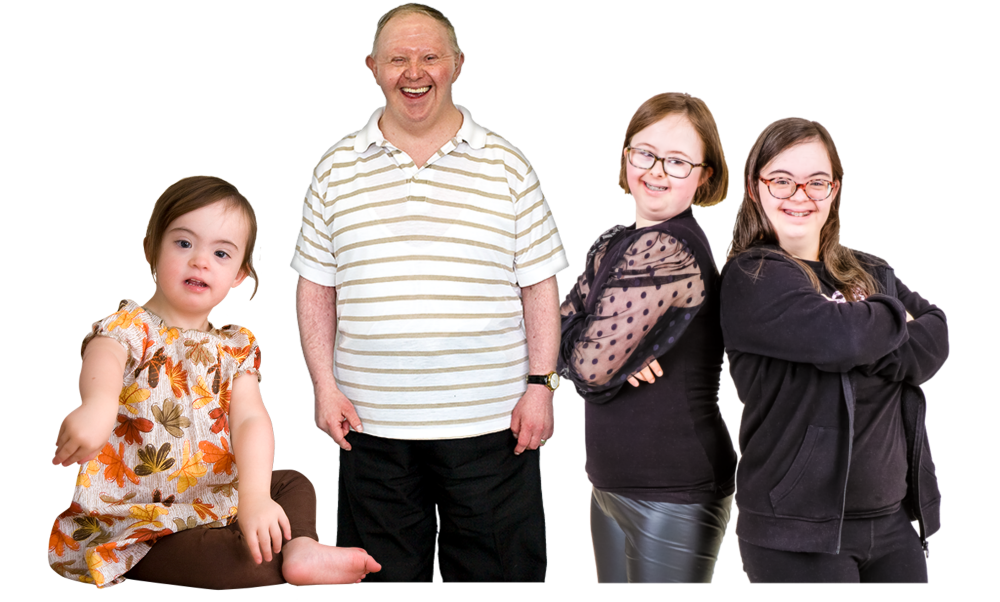 Down syndrome, also known as Down's syndrome, is a type of disability. People with Down syndrome may find it hard to learn new things and may need support. They may have more problems with their health too.
, so questions must be asked about why this is being recorded as an 'unavoidable' cause of death. There would be outrage if other characteristics were used in this way. This hides the real reasons people died, such as missed screening, late diagnosis or failures in basic care.
“The Government and the NHS The NHS is the National Health Service. The NHS gives free healthcare to everyone in the UK and includes things like your GP (doctors) surgery and hospitals. must ensure LeDeR recommendations - such as improving screening rates for cancer and the uptake of annual health checks - are implemented in full so that people with a learning disability are properly valued and receive good healthcare, just like anyone else.”
-ENDS-
Note to editors
About Mencap
There are 1.5 million people with a learning disability in the UK and they deserve to live their life to the full. So Mencap supports people with a learning disability to succeed in the things that matter to them. To ensure that people with a learning disability are not left behind at any stage of their life, we campaign A campaign is when people work together to try to change something. for a fairer society; work with families and partners to build inclusive communities; and we deliver person-centred services. We’ve spent 80 years changing lives. Now, with Mencap 2030, we’re changing the future.
What is a learning disability?
A learning disability is a reduced intellectual ability which affects someone for their whole life. Typically, people with a learning disability need more time to learn and process information. They may need extra support to develop skills, complete tasks and interact with others, or they may have more complex needs requiring round-the clock care. The level of support needed is different for everyone and may change during a person’s lifetime.
Learning disability is NOT a mental illness or a learning difficulty. Often, the term ‘learning difficulty’ is wrongly used in place of ‘learning disability’. Having a learning difficulty (such as ADHD or
dyslexia
 Dyslexia is a learning difficulty. People who have dyslexia can find it hard to read, write and spell.
) may mean a person learns at a different pace or in a different way BUT – unlike a learning disability - it does not affect a person’s intellect.
With the right support, most people with a learning disability can lead happy, healthy, independent lives. At Mencap, it’s our mission to remove societal barriers and shatter misconceptions to make this more possible for more people.
Mencap’s guide to reporting on Learning Disability
When it comes to creating content with people with a learning disability, we know many people feel nervous about saying and doing the wrong thing. Our guide for journalists, covers everything from up-to-date facts and figures to the right language to use. It also includes tips on how to work with people with a learning disability to gather the best content.
For further information, please contact Mencap’s media team on: [email protected] or 02076 965414 (including out of hours).
