
Our response to the latest LeDeR report
Please see below our response to the long-delayed report into the deaths of learning disabled and autistic people in England which was published today by King’s College London, in collaboration with NHS The NHS is the National Health Service. The NHS gives free healthcare to everyone in the UK and includes things like your GP (doctors) surgery and hospitals. England.
The Learning from Lives and Deaths report - known as LeDeR (‘leader’) - is an annual investigation into the death of every adult with a
learning disability
A learning disability is to do with the way someone's brain works. It makes it harder for someone to learn, understand or do things.
and
autism
 Autism is a disability. Autistic people find it difficult to understand what other people think and feel. They also find it difficult to tell people what they think and feel. Everyone with autism is different.
, with the aim of learning what happened, improving care, reducing health inequalities and preventing future premature deaths. The latest report for 2023 shows that people with a learning disability die on average 19.5 years younger than the general population.
Jon Sparkes OBE, Chief Executive of learning disability charity Mencap said:
“These stark new figures show people with a learning disability are dying a shocking 19.5 years younger than the general population and are three times more likely to die from a condition which could have been treated. People with a learning disability and their families deserve better. In this day and age, no one should die early because they don’t get the right treatment.
“We are pleased that overall life expectancy has improved - evidence that measures such as the
learning disability register
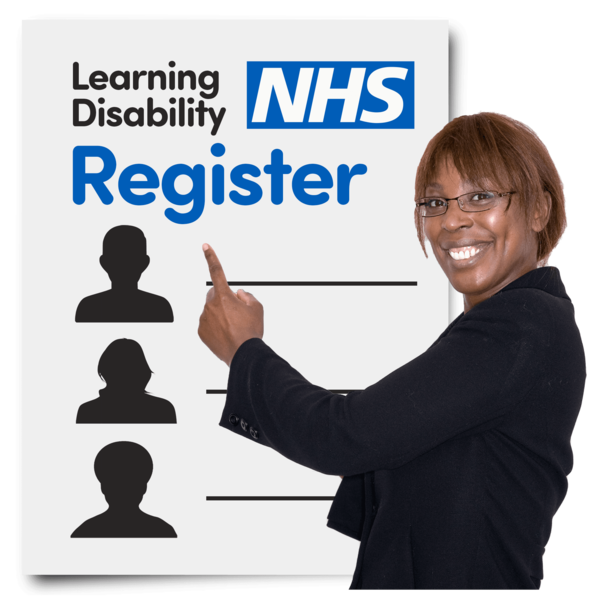 The learning disability register is a list of people with a learning disability that the doctor’s surgery looks after.
, annual health checks and Oliver McGowan
Mandatory
Mandatory means that something must be done.
Training work – but people are still dying nearly 20 years earlier than the general population. There is still a huge amount of work needed to improve the life expectancy of people with a learning disability in Black and Asian communities who face the impact of additional intersectional inequalities.
“What would you give for an extra year of life with your loved ones? And why would this be any different if you have a learning disability? As the NHS changes and narrows its focus to a few key targets, there is a risk that the needs of people with a learning disability are overlooked and we lose the precious progress that has been made. It’s vital that the neighbourhood health schemes work with people with a learning disability at a local level to make their services
accessible
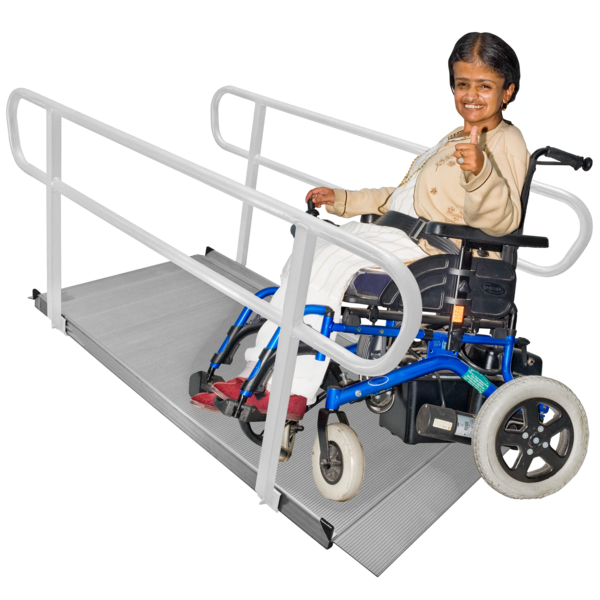 Accessible means something is easy for people to use or join in with. For example: Accessible writing means the writing is easy to read and understand.
- and that GPs prioritise getting everyone onto the learning disability register and completing annual health checks. These initiatives work and we must keep doing them.
“This important report provides a vital and valuable yardstick for the Government The Government are the people who run the country. They decide how much tax people should pay for things and how things like the National Health Service should work. to measure their progress by and shows how far there still is to go in society in understanding the needs of the 1.5 million people with a learning disability living in the UK.”
For further information, please contact Mencap’s media team on: [email protected] or 02076 965414 (including out of hours).
Note to editors
About Mencap
Mencap exists to ensure the UK is the best place in the world for people with a learning disability to live happy and healthy lives. We support people directly and
campaign
A campaign is when people work together to try to change something.
with people with a learning disability, their families and carers. We work to change laws, increase representation and campaign for better health,
social care
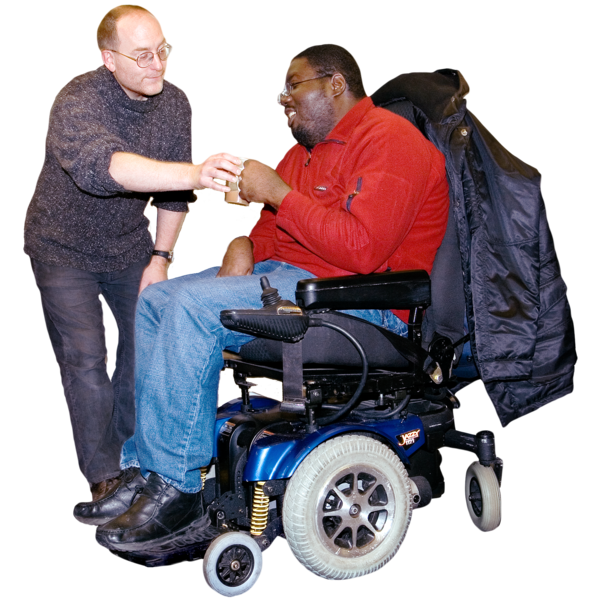 Social care means the services that give care and support to people who need it.
and
employment
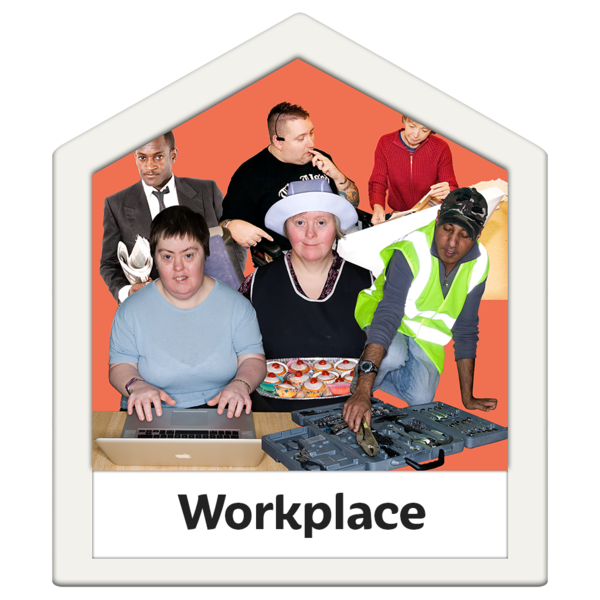 Employment means having a job.
opportunities for the 1.5 million people with a learning disability in the UK.
What is a learning disability?
- A learning disability is a reduced intellectual ability which affects someone for their whole life. Typically, people with a learning disability need more time to learn and process information. They may need extra support to develop skills, complete tasks and interact with others, or they may have more complex needs requiring round-the clock care. The level of support needed is different for everyone and may change during a person’s lifetime.
- Learning disability is NOT a mental illness or a learning difficulty. Often, the term ‘learning difficulty’ is wrongly used in place of ‘learning disability’. Having a learning difficulty (such as ADHD or
dyslexia
 Dyslexia is a learning difficulty. People who have dyslexia can find it hard to read, write and spell.
) may mean a person learns at a different pace or in a different way BUT – unlike a learning disability - it does not affect a person’s intellect.
With the right support, most people with a learning disability can lead happy, healthy, independent lives. At Mencap, it’s our mission to remove societal barriers and shatter misconceptions to make this more possible for more people.
Mencap’s guide to reporting on Learning Disability
When it comes to creating content with people with a learning disability, we know many people feel nervous about saying and doing the wrong thing. Our guide for journalists, covers everything from up-to-date facts and figures to the right language to use. It also includes tips on how to work with people with a learning disability to gather the best content.
