
Mencap responds to the Home Secretary's changes to rules around indefinite leave to remain
Jon Sparkes OBE, chief executive at learning disability A learning disability is to do with the way someone's brain works. It makes it harder for someone to learn, understand or do things. charity Mencap, said:
“At Mencap alone, more than 1,100 colleagues on visas help people with a learning disability live independent lives, providing more than 32,000 hours of support every week. These are highly skilled professionals who help people stay safe, healthy and independent, managing everything from medication and personal care to
employment
 Employment means having a job.
, volunteering and
community
A community is the people and places in an area.
participation.
“We know that people with a learning disability benefit from trusted
relationships
 Relationships are about the people in your life. You might have different types of relationships like friendships, family relationships, or a boyfriend or girlfriend.
they build with
support workers
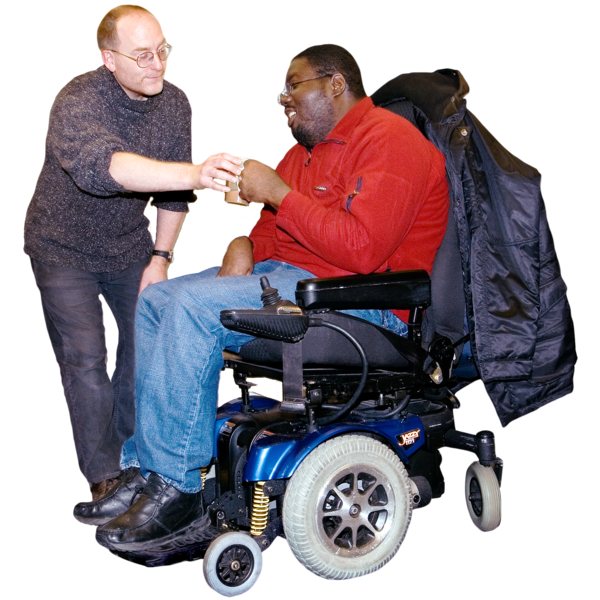 Support workers are people who are paid to give care and support to people who need it.
who know them well, and today's announcement will help
protect
Protect means keeping someone or something safe.
continuity of care. It will be welcome reassurance for workers, particularly for many who built their lives around the promise that a five-year route to settlement would remain in place.
“But the wider challenge has not gone away.
Social care
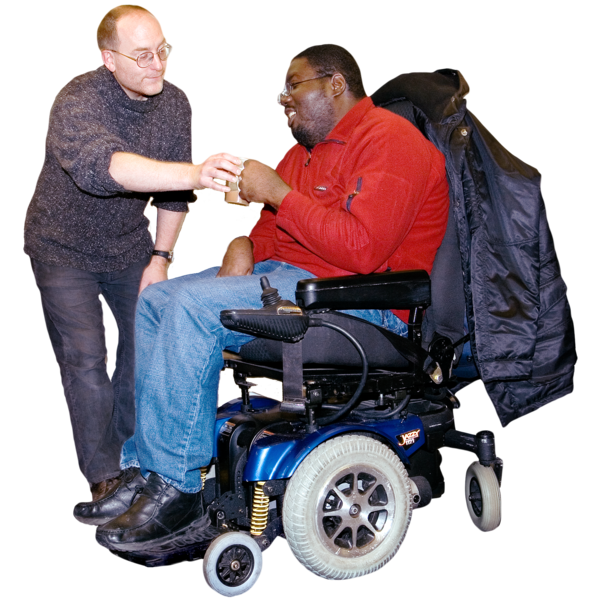 Social care means the services that give care and support to people who need it.
still faces around 96,000 vacancies, international recruitment has fallen sharply, and the number of British workers in the sector has also continued to decline.
Organisations
Organisations are groups like companies and businesses.
providing
social care
Social care means the services that give care and support to people who need it.
cannot continue to lose experienced staff without consequences for people's care.
“The Government must now back this decision with a fully funded plan to strengthen the social care workforce, including delivering meaningful improvements to pay, conditions and career progression through the Fair Pay Agreement.”
Note to editors
About Mencap
There are 1.5 million people with a learning disability in the UK and they deserve to live their life to the full. So Mencap supports people with a learning disability to succeed in the things that matter to them. To ensure that people with a learning disability are not left behind at any stage of their life, we campaign A campaign is when people work together to try to change something. for a fairer society; work with families and partners to build inclusive communities; and we deliver person-centred services. We’ve spent 80 years changing lives. Now, with Mencap 2030, we’re changing the future.
What is a learning disability?
A learning disability is a reduced intellectual ability which affects someone for their whole life. Typically, people with a learning disability need more time to learn and process information. They may need extra support to develop skills, complete tasks and interact with others, or they may have more complex needs requiring round-the clock care. The level of support needed is different for everyone and may change during a person’s lifetime.
Learning disability is NOT a mental illness or a learning difficulty. Often, the term ‘learning difficulty’ is wrongly used in place of ‘learning disability’. Having a learning difficulty (such as ADHD or
dyslexia
 Dyslexia is a learning difficulty. People who have dyslexia can find it hard to read, write and spell.
) may mean a person learns at a different pace or in a different way BUT – unlike a learning disability - it does not affect a person’s intellect.
With the right support, most people with a learning disability can lead happy, healthy, independent lives. At Mencap, it’s our mission to remove societal barriers and shatter misconceptions to make this more possible for more people.
Mencap’s guide to reporting on Learning Disability
When it comes to creating content with people with a learning disability, we know many people feel nervous about saying and doing the wrong thing. Our guide for journalists, covers everything from up-to-date facts and figures to the right language to use. It also includes tips on how to work with people with a learning disability to gather the best content.
For further information, please contact Mencap’s media team on: [email protected] or 02076 965414 (including out of hours).
