
Mencap marks 80 years as new figures reveal only one in ten people with a learning disability reach the same milestone
LONDON, September 23, 2026 - As Mencap celebrates its 80th anniversary, joined by Royal Patron, HRH The Duchess of Edinburgh, the charity is highlighting the stark reality that reaching the same milestone remains rare for people with a learning disability A learning disability is to do with the way someone's brain works. It makes it harder for someone to learn, understand or do things. .
Guest of honour Geoffrey Leer, who turned 80 on 1 September, was presented with a special birthday card by HRH The Duchess of Edinburgh during the celebrations. Geoffrey joined people with a learning disability, campaigners, supporters and ambassadors at the event marking 80 years of the charity that campaigns for the rights Rights are the things everyone should be allowed to do like have a say, or go to school. of people with a learning disability and provides advice, support and services across England, Wales and Northern Ireland.
But new analysis from the Learning from Lives and Deaths (LeDeR) programme by King’s College London reveals just how rare Geoffrey is. It shows only around one in ten (10 %) adults with a learning disability lives to 80, compared with more than half (55 %) of the general population in England.
These findings highlight the stark health inequalities people with a learning disability continue to face, as they remain three times more likely than the general population to die from treatable causes such as pneumonia, epilepsy and ischaemic heart diseases.
People with a learning disability continue to face significant barriers to getting the healthcare they need. This includes missed or delayed diagnoses, a lack of reasonable adjustments, poor communication, gaps in staff training and services that do not work together effectively. As a result, people with a learning disability are still more likely to die from causes that are treatable or avoidable.
As one of the few octogenarians with a learning disability, Geoffrey shared his unique experiences with HRH The Duchess of Edinburgh, reflecting on his life and interests. After attending a special school, he went on to live independently and worked for much of his adult life, into his fifties.
When speaking to Geoffrey, The Duchess said:
“What makes Mencap special is meeting lovely people like you. Things have changed a lot during your lifetime for people with a learning disability, which is good. They have a voice and opinions and that's being listened to. The next challenge is to have more opportunities for people in workplaces. People with a learning disability are life enhancers. A lot more people are taking interest in giving people with a learning disability opportunities, but there's a long way to travel."
After retiring, Geoffrey, spent more than three decades campaigning to improve the lives of other people with a learning disability through Bexley Mencap and the
Respect
Respect means showing someone you think about someone's feelings, wishes or rights.
Group, which Geoffrey still attends and where people with a learning disability come together to
advocate
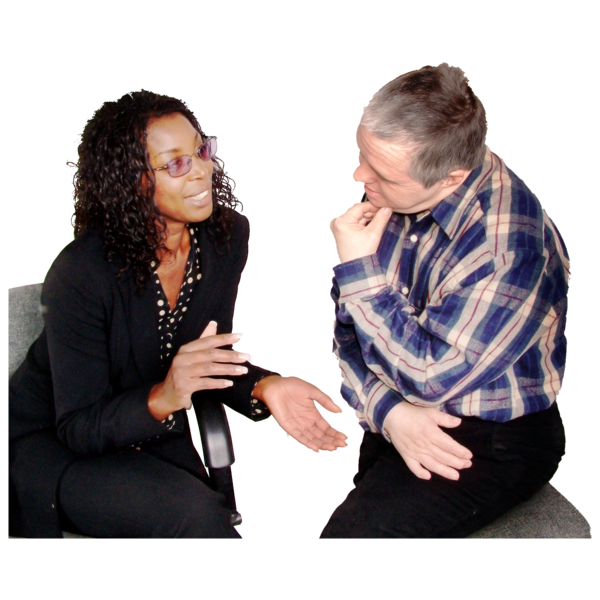 An advocate is a person who can help you have your say. An advocate can speak up for you if you find it hard.
for their rights, share their experiences and drive change in the local
community
A community is the people and places in an area.
.
He describes campaigning as his second "career", giving him a huge sense of pride through raising awareness and helping others.
Geoffrey has a learning disability, dementia, and sight and hearing loss, and while addressing barriers to living his own life to the full, he is also passionate about making life better for others.
Geoffrey said:
"Now I'm eighty, I think to myself what an achievement. My mother and father would be over the moon.
"I wish I could do it all again. That's how enjoyable it was."
As Mencap marks eight decades of campaigning and progress, the charity says it is time to end the health inequalities faced by people with a learning disability. Geoffrey’s story should not be exceptional. Everyone with a learning disability should have equal access to the healthcare and support they need to thrive and enjoy a longer, more fulfilling life.
The celebration also welcomed Mencap ambassadors, model and campaigner Ellie Goldstein, TV presenter George Webster, and The Traitors star Alexander Dragonetti, who became a Mencap supporter after using his television appearance to raise awareness of learning disability, inspired by the experiences of his late brother, James.
Members of the Fryd family, descendants of Mencap founder Judy Fryd, also attended the reception, bringing together the charity's past, present and future.
Over the eight decades, Mencap has campaigned for major changes to the rights and opportunities of people with a learning disability.
National and local Mencap groups have developed services, clubs and support groups across the country, provided information and advice, supported people with a learning disability into
employment
 Employment means having a job.
and pioneered alternatives to institutional care.
Jon Sparkes OBE, Chief Executive of Mencap, said:
“Eighty years after Judy Fryd brought families together to demand better, we’ve seen extraordinary progress. But we cannot accept a world where reaching 80 is still remarkable for someone with a learning disability.
“Geoffrey’s birthday is a wonderful milestone and one worth celebrating. Everyone with a learning disability deserves the chance to live a long, healthy and fulfilling life.
“Our 80th anniversary isn’t just about looking back at how far we’ve come. It’s about demanding more for the future: better health, greater opportunities and the right support at every stage of life, so every person with a learning disability can live their life to the full.”
With major decisions looming on the future of
education
Education is when you learn things. When you fill in a form to get a job, education means you write where you went to school, college or university.
, employment and health and
social care
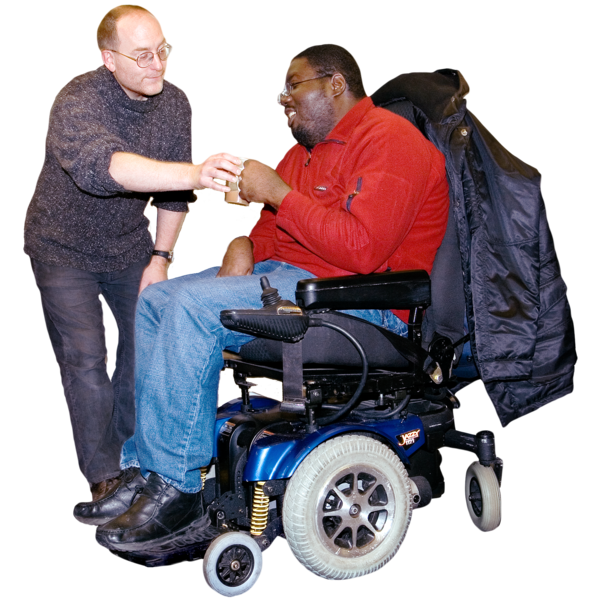 Social care means the services that give care and support to people who need it.
, Mencap remains committed to protecting the progress that has been won, tackling the inequalities that remain, and ensuring people with a learning disability are no longer left behind.
Note to editors
About Mencap
There are 1.5 million people with a learning disability in the UK and they deserve to live their life to the full. So Mencap supports people with a learning disability to succeed in the things that matter to them. To ensure that people with a learning disability are not left behind at any stage of their life, we campaign for a fairer society; work with families and partners to build inclusive communities; and we deliver person-centred services. We’ve spent 80 years changing lives. Now, with Mencap 2030, we’re changing the future.
What is a learning disability?
A learning disability is a reduced intellectual ability which affects someone for their whole life. Typically, people with a learning disability need more time to learn and process information. They may need extra support to develop skills, complete tasks and interact with others, or they may have more complex needs requiring round-the clock care. The level of support needed is different for everyone and may change during a person’s lifetime.
Learning disability is NOT a mental illness or a learning difficulty. Often, the term ‘learning difficulty’ is wrongly used in place of ‘learning disability’. Having a learning difficulty (such as ADHD or
dyslexia
 Dyslexia is a learning difficulty. People who have dyslexia can find it hard to read, write and spell.
) may mean a person learns at a different pace or in a different way BUT – unlike a learning disability - it does not affect a person’s intellect.
With the right support, most people with a learning disability can lead happy, healthy, independent lives. At Mencap, it’s our mission to remove societal barriers and shatter misconceptions to make this more possible for more people.
Mencap’s guide to reporting on Learning Disability
When it comes to creating content with people with a learning disability, we know many people feel nervous about saying and doing the wrong thing. Our guide for journalists, covers everything from up-to-date facts and figures to the right language to use. It also includes tips on how to work with people with a learning disability to gather the best content.
For further information, please contact Mencap’s media team on: [email protected] or 02076 965414 (including out of hours).
