
Mencap has today launched its new five‑year
strategy
 A strategy is a plan to show what an organisation, or a person, wants to do and how they are going to do it.
, Mencap 2030, setting out how the charity will work with people with a
learning disability
A learning disability is to do with the way someone's brain works. It makes it harder for someone to learn, understand or do things.
, families, communities and partners to tackle persistent inequalities and drive meaningful change at scale.
Launching in the year Mencap marks its 80th anniversary, the strategy reflects both the progress made since the
organisation
 An organisation are a group of people who work together.
was founded by Judy Fryd in 1946 and the urgent challenges that remain. People with a learning disability continue to die younger than the general population, face significant barriers to
employment
 Employment means having a job.
, housing and healthcare, and are more likely to
experience
Experience is when you have learned or tried something before.
isolation and exclusion.
Central to the strategy is a greater focus on key moments throughout people's lives, including early years and family support, the
transition
Transition means changing from one thing to another. Transition sometimes means things like when you change from having children's social care to adult social care.
to adulthood, employment,
social care
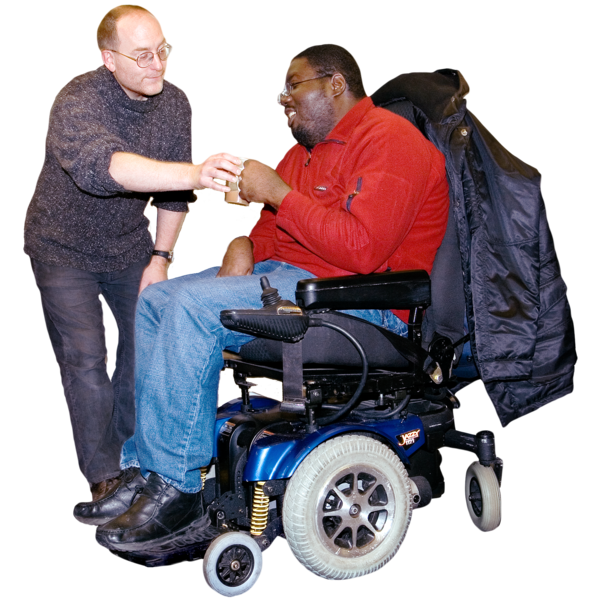 Social care means the services that give care and support to people who need it.
, ageing and long‑term security.
Over the life of the strategy, Mencap will focus on five strategic goals:
- Provide excellent person-centred services and grow our areas of specialism
- Work with communities and our network groups so that people with a learning disability are included in their communities and less lonely
- Break down barriers to
equality
 Equality is when everyone is treated fairly.
by increasing awareness and understanding of learning disability and changing policies that impact the lives of people with a learning disability
- Create a culture of belonging where everyone feels welcome and can achieve Mencap’s goals and live our values Values are the things that are important to you. Mencap's values are being passionate, inclusive, brave, positive, and kind.
- Run Mencap well so that we have the resources, technology, systems and processes to deliver our strategy
The strategy sets out ambitions to support more people with a learning disability and families directly, increase access to work for young people with a learning disability, expand community A community is the people and places in an area. ‑based programmes, whilst continuing to drive policy change on key issues that matter most to people with a learning disability.
Mencap 2030: Supporting people with a learning disability to live their lives to the full has been co‑produced with people with a learning disability, their families and Mencap colleagues. At its heart are a series of “I‑statements” that set out what a good life looks like from the perspective of people with a learning disability and will be guiding Mencap’s priorities over the next five years.
Inclusion is hard wired into the organisation – from the
Voices Council
 The Mencap Voices Council are a group of 12 people with a learning disability. They share their views and experiences to help Mencap's Board of Trustees make decisions.
, a group of people with a learning disability who inform Mencap’s work to support people with a learning disability to live their life to the full and advise the board on all its decisions, to our
policy shapers
 Policy Shapers are a group of people with a learning disability and their families who help Mencap by answering surveys each month. The surveys help Mencap tell decision makers what life is like for people with a learning disability.
, people with a learning disability who advise our policy and campaigns work
Ciara Lawrence, Engagement Lead at Mencap, who has a learning disability and led on the co-production of the i statements in the strategy, said:
“Right from the start, I have been really proud to be part of the group at Mencap leading on our fantastic new strategy.
“We want to make sure that over the next five years we continue to speak up for people with a learning disability like me, and I’m really excited about the ambitious work we’re going to do.
“I’ve been involved Involved is being included in something or taking part in something. in co‑producing the strategy and have spoken to people with a learning disability and their loved ones about what matters most to them — to make it real.
“I’m really looking forward to seeing how we shape our work to make sure we truly make a difference to the lives of people with a learning disability.”
Mencap also recognises the rapidly changing world we are living in, including ongoing pressures on social care, funding constraints across the third sector, and the growing role of technology and artificial intelligence. Mencap commits to investing in strong digital foundations while ensuring people with a learning disability are not left behind as services and systems change.
Mencap’s Chief Executive, Jon Sparkes OBE says:
“We’ve spent 80 years changing lives. Now, with Mencap 2030, we’re changing the future.
“The UK’s 1.5m people with a learning disability need our support now more than ever. Devastating
cuts
 Cuts are when there is less money to pay for things like clubs and support.
to social care and an unrelenting cost of living crisis mean people with a learning disability, their families and carers are struggling to meet basic needs.
“Institutional and systemic failings see people with a learning disability often not getting the right healthcare, resulting in some either dying avoidably, or being wrongly detained in mental health institutions at risk of neglect Neglect is when you are not being cared for or supported. and abuse Abuse is when someone bullies you and does or says something to you that makes you feel hurt, upset or scared. – our work has never been more important.
“People with a learning disability have the right to live their life to the full. We must do more — and our ambitious strategy will help make that happen.
“This strategy is rooted in what people with a learning disability have told us matters most to them – choice, belonging, safety,
independence
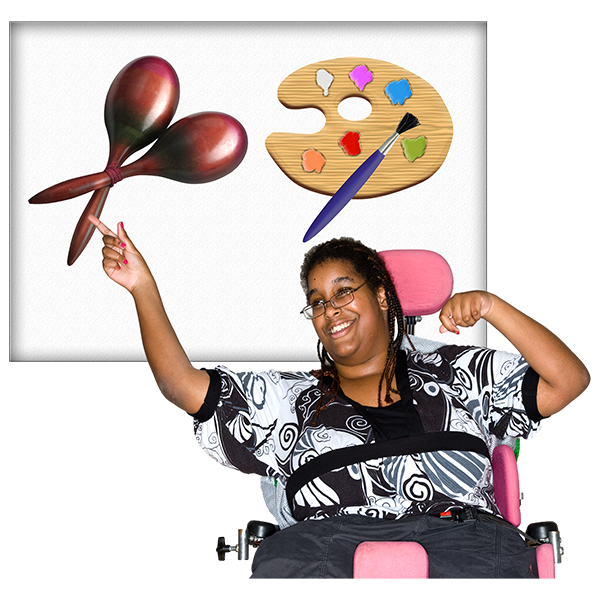 Independence means doing things on your own. Making your own choices.
and being valued. We will also be expanding support for people with a learning disability and growing our areas of specialism — from early years to older age—ensuring no one is left behind. We want to deliver tailored, high-quality services to more people.
“Over the next five years we want to work alongside partners across the third sector, communities and public services to make those outcomes a reality for more people with a learning disability throughout their life."
The strategy emphasises the importance of collaboration with other charities, local Mencap partners, commissioners, housing providers, employers and community organisations Organisations are groups like companies and businesses. to extend reach, reduce duplication and maximise collective impact.
Mencap 2030 will be delivered through annual business planning and measured against a framework of strategic outcomes, with progress regularly reviewed by trustees and informed by people with lived experience.
For more information read the one page 'Mencap 2030 Strategy' summary.
-ENDS-
Note to editors
About Mencap
There are 1.5 million people with a learning disability in the UK and they deserve to live their life to the full. So Mencap supports people with a learning disability to succeed in the things that matter to them. To ensure that people with a learning disability are not left behind at any stage of their life, we campaign for a fairer society; work with families and partners to build inclusive communities; and we deliver person-centred services. We’ve spent 80 years changing lives. Now, with Mencap 2030, we’re changing the future.
What is a learning disability?
A learning disability is a reduced intellectual ability which affects someone for their whole life. Typically, people with a learning disability need more time to learn and process information. They may need extra support to develop skills, complete tasks and interact with others, or they may have more complex needs requiring round-the clock care. The level of support needed is different for everyone and may change during a person’s lifetime.
Learning disability is NOT a mental illness or a learning difficulty. Often, the term ‘learning difficulty’ is wrongly used in place of ‘learning disability’. Having a learning difficulty (such as ADHD or
dyslexia
 Dyslexia is a learning difficulty. People who have dyslexia can find it hard to read, write and spell.
) may mean a person learns at a different pace or in a different way BUT – unlike a learning disability - it does not affect a person’s intellect.
With the right support, most people with a learning disability can lead happy, healthy, independent lives. At Mencap, it’s our mission to remove societal barriers and shatter misconceptions to make this more possible for more people.
Mencap’s guide to reporting on Learning Disability
When it comes to creating content with people with a learning disability, we know many people feel nervous about saying and doing the wrong thing. Our guide for journalists, covers everything from up-to-date facts and figures to the right language to use. It also includes tips on how to work with people with a learning disability to gather the best content.
For further information, please contact Mencap’s media team on: [email protected] or 02076 965414 (including out of hours).
