
“The long-overdue Liberty Protection Safeguards (LPS) will be an important provision for people deprived of their liberty and we look forward to working with the Government The Government are the people who run the country. They decide how much tax people should pay for things and how things like the National Health Service should work. as they consult next year on their further design and implementation.
“However, the Liberty Protection Safeguards and the Cheshire West ruling - which defined deprivation of liberty - that the government is seeking to amend via the Supreme Court are related but separate issues. The changes the government is seeking in the Supreme Court put at risk the freedom, safety, and rights Rights are the things everyone should be allowed to do like have a say, or go to school. of thousands of disabled people.
“With the LPS having been designed around the Cheshire West ruling, it remains unclear why it is asking the court to set aside the very ruling on which they’re based.”
-ENDS-
For further information, please contact Mencap’s media team on: [email protected] or 02076 965414 (including out of hours).
Note to editors
About Mencap
Mencap exists to ensure the UK is the best place in the world for people with a
learning disability
A learning disability is to do with the way someone's brain works. It makes it harder for someone to learn, understand or do things.
to live happy and healthy lives. We support people directly and
campaign
A campaign is when people work together to try to change something.
with people with a learning disability, their families and carers. We work to change laws, increase representation and campaign for better health,
social care
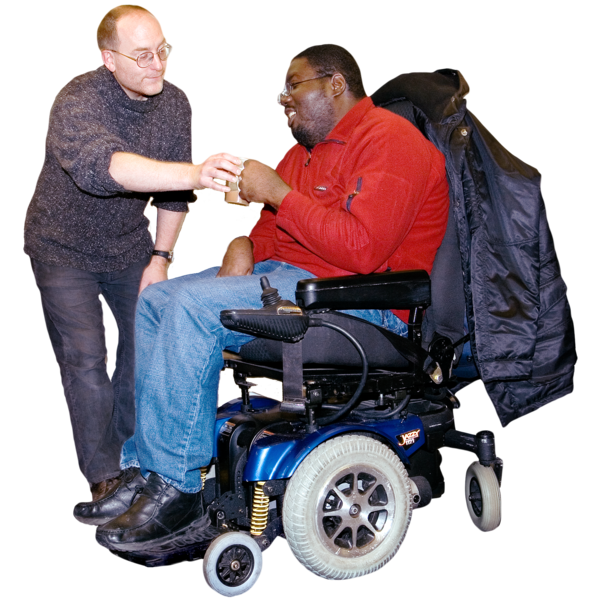 Social care means the services that give care and support to people who need it.
and
employment
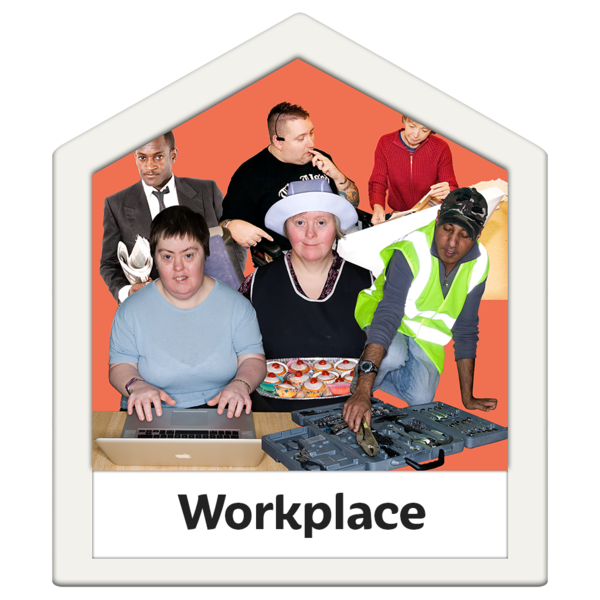 Employment means having a job.
opportunities for the 1.5 million people with a learning disability in the UK.
What is a learning disability?
- A learning disability is a reduced intellectual ability which affects someone for their whole life. Typically, people with a learning disability need more time to learn and process information. They may need extra support to develop skills, complete tasks and interact with others, or they may have more complex needs requiring round-the clock care. The level of support needed is different for everyone and may change during a person’s lifetime.
- Learning disability is NOT a mental illness or a learning difficulty. Often, the term ‘learning difficulty’ is wrongly used in place of ‘learning disability’. Having a learning difficulty (such as ADHD or
dyslexia
 Dyslexia is a learning difficulty. People who have dyslexia can find it hard to read, write and spell.
) may mean a person learns at a different pace or in a different way BUT – unlike a learning disability - it does not affect a person’s intellect.
With the right support, most people with a learning disability can lead happy, healthy, independent lives. At Mencap, it’s our mission to remove societal barriers and shatter misconceptions to make this more possible for more people.
Mencap’s guide to reporting on Learning Disability
When it comes to creating content with people with a learning disability, we know many people feel nervous about saying and doing the wrong thing. Our guide for journalists, covers everything from up-to-date facts and figures to the right language to use. It also includes tips on how to work with people with a learning disability to gather the best content.
