
Jon Sparkes OBE, co-chair of the Disability Charities Consortium*, said:
“The Inquiry acknowledges serious failings, but today’s report falls short of what disabled people deserve and underrepresents the experiences of disabled people during the pandemic.
“The Inquiry recognised that disabled people were more likely to die from Covid-19 but we’re disappointed at its lack of curiosity to understand why disabled people were dying at higher rates. The Inquiry has recognised the need for improving data to identify individuals at high risk during a pandemic but has stopped short of expressly including disabled people within that recommendation. Maintaining proper GP records is essential for managing pandemics in the future.
“The important sections on the Clinical Frailty Scale and DNACPRs make stark and traumatic reading. However, the Inquiry has failed to investigate the link between these tools and how they resulted in disabled people being denied treatment. It’s vital there is proper engagement with disabled people in the development of both the allocation of resource in future pandemics [recommendation 7] and in creating a standardised process for advanced care planning [recommendation 9]. We look forward to playing a full part in this.
“The pandemic revealed profound inequalities in our healthcare system. At the heart of what happened is the fundamental lack of value placed on the lives of many disabled people. We would have liked to see a recommendation to address these underlying attitudes and build understanding. Fully implementing existing
accessible
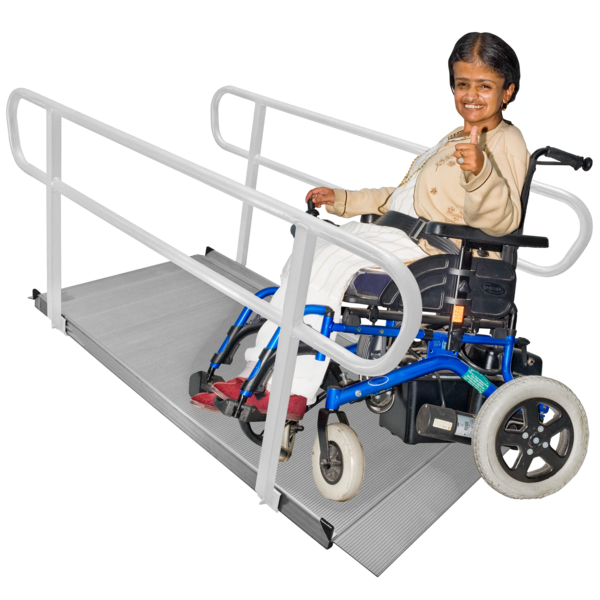 Accessible means something is easy for people to use or join in with. For example: Accessible writing means the writing is easy to read and understand.
health information standards across health and
social care
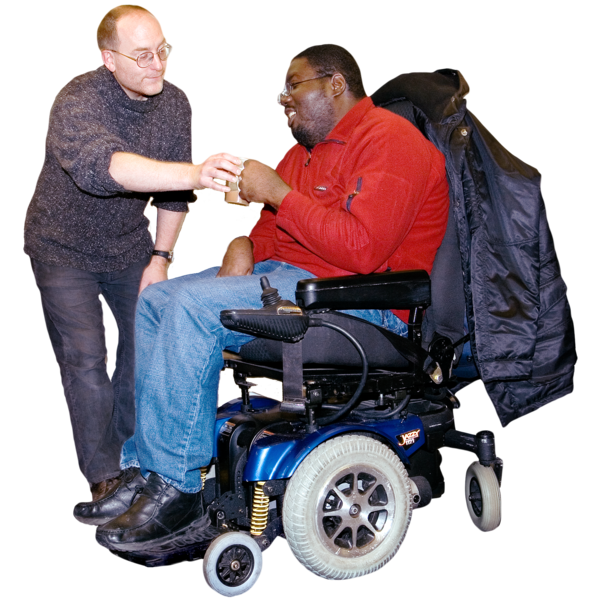 Social care means the services that give care and support to people who need it.
in all four nations and mandating
consultation
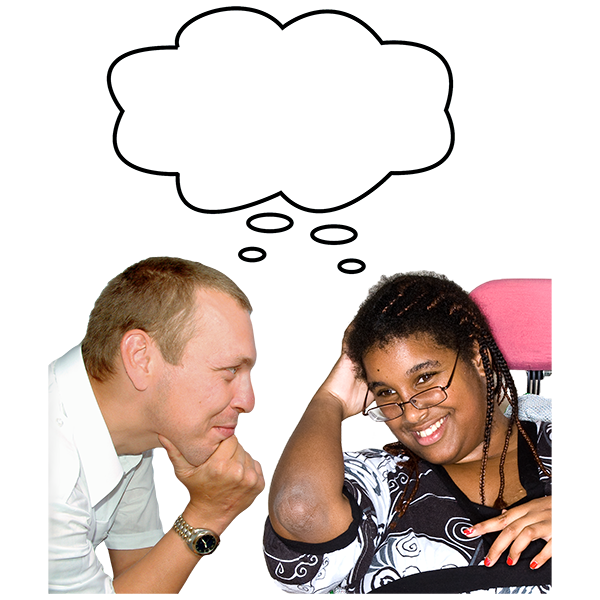 Consultation is finding out what people think about something.
with disabled people and their representatives would be a good start.”
* The Disability Charities Consortium (DCC) brings together leaders from the UK’s leading not-for-profit disability
organisations
Organisations are groups like companies and businesses.
to work with
the Government
The Government are the people who run the country. They decide how much tax people should pay for things and how things like the National Health Service should work.
to make sure disabled people’s experiences are reflected in UK policy making. Its members are:
- Scope
- Leonard Cheshire
- Disability Rights Rights are the things everyone should be allowed to do like have a say, or go to school. UK
- National Autistic Society
- Mind
- Mencap
- Sense
- Royal National Society of Blind people (RNIB)
- Royal National Society for Deaf people (RNID)
- Business Disability Forum (BDF).
-ENDS-
Note to editors
About Mencap
There are 1.5 million people with a learning disability A learning disability is to do with the way someone's brain works. It makes it harder for someone to learn, understand or do things. in the UK and they deserve to live their life to the full. So Mencap supports people with a learning disability to succeed in the things that matter to them. To ensure that people with a learning disability are not left behind at any stage of their life, we campaign A campaign is when people work together to try to change something. for a fairer society; work with families and partners to build inclusive communities; and we deliver person-centred services. We’ve spent 80 years changing lives. Now, with Mencap 2030, we’re changing the future.
What is a learning disability?
A learning disability is a reduced intellectual ability which affects someone for their whole life. Typically, people with a learning disability need more time to learn and process information. They may need extra support to develop skills, complete tasks and interact with others, or they may have more complex needs requiring round-the clock care. The level of support needed is different for everyone and may change during a person’s lifetime.
Learning disability is NOT a mental illness or a learning difficulty. Often, the term ‘learning difficulty’ is wrongly used in place of ‘learning disability’. Having a learning difficulty (such as ADHD or
dyslexia
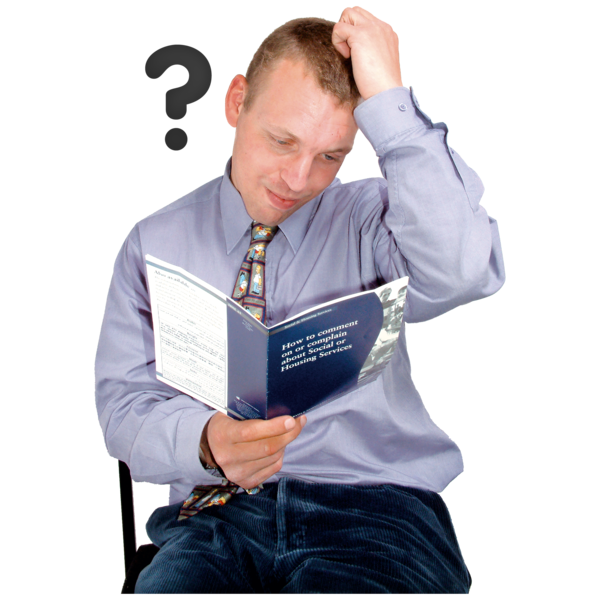 Dyslexia is a learning difficulty. People who have dyslexia can find it hard to read, write and spell.
) may mean a person learns at a different pace or in a different way BUT – unlike a learning disability - it does not affect a person’s intellect.
With the right support, most people with a learning disability can lead happy, healthy, independent lives. At Mencap, it’s our mission to remove societal barriers and shatter misconceptions to make this more possible for more people.
Mencap’s guide to reporting on Learning Disability
When it comes to creating content with people with a learning disability, we know many people feel nervous about saying and doing the wrong thing. Our guide for journalists, covers everything from up-to-date facts and figures to the right language to use. It also includes tips on how to work with people with a learning disability to gather the best content.
For further information, please contact Mencap’s media team on: [email protected] or 02076 965414 (including out of hours).
