
UN Convention on the Rights of Persons with Disabilities
The United Nations Convention on the Rights Rights are the things everyone should be allowed to do like have a say, or go to school. of Persons with Disabilities said that people with a learning disability have a fundamental right to full and active participation and inclusion in society (United Nations, 2006).
Up until the 1970s, many adults and children with a learning disability had to stay in large institutions. Since then, large institutions have been closed and almost all adults and children with a learning disability live in the community A community is the people and places in an area. .
However, many still feel socially left out and face stigma and discrimination in their everyday lives (Scior & Werner, 2015).
Stigma and discrimination
People with a learning disability may face problems getting equal opportunities for healthcare, housing,
education
Education is when you learn things. When you fill in a form to get a job, education means you write where you went to school, college or university.
,
employment
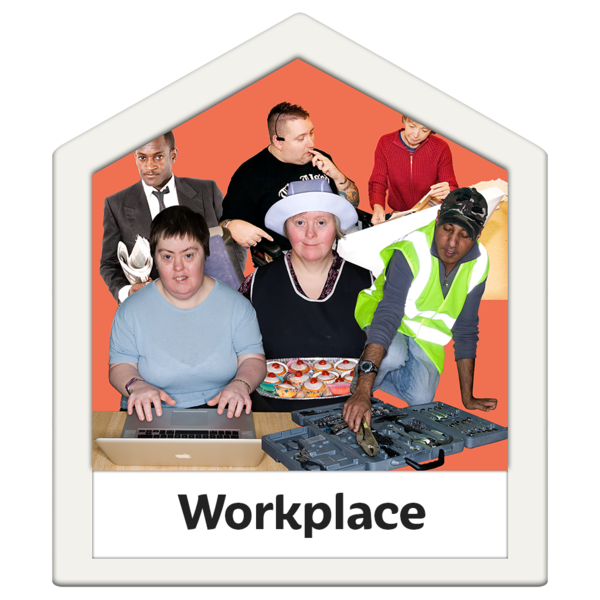 Employment means having a job.
and social pursuits.
Stigma and discrimination can become internalised in people with a learning disability, resulting in ‘self-stigma’.
This is associated with higher levels of psychological distress and lower quality of life (Ali et al., 2015; Pelleboer-Gunnink et al., 2019).
The Disability Perception Gap
Scope identifies the difference in attitudes of non-disabled people and the reality of disabled people’s experiences as the ‘disability perception gap’ (Dixon et al., 2018).
It has been suggested that misconceptions about the capabilities of people with a learning disability may be widespread (Scior & Werner, 2015). Misconceptions and negative attitudes can be a barrier to people with a disability living the lives they want (Dixon et al., 2018).
For example, just under a third (32%) of respondents in the 2017 British Attitudes
Survey
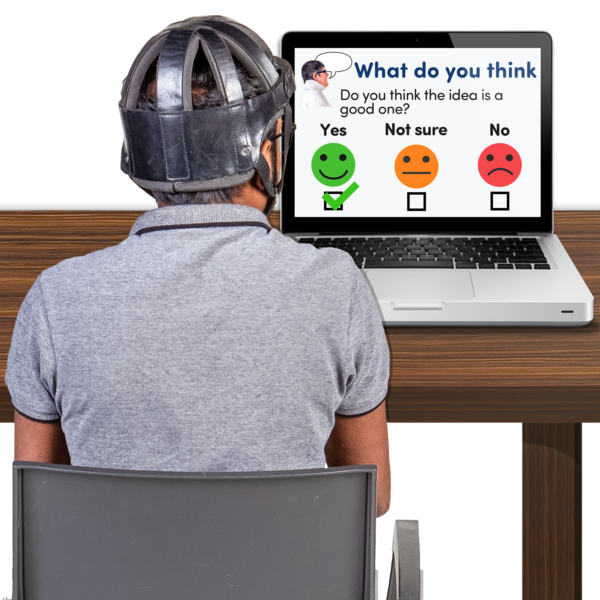 A survey is when someone asks you to answer some questions.
thought that disabled people are not as productive as non-disabled people. This belief may be a factor which contributes to the disparity in employment rates between people with a learning disability and the general population (Dixon et al., 2018).
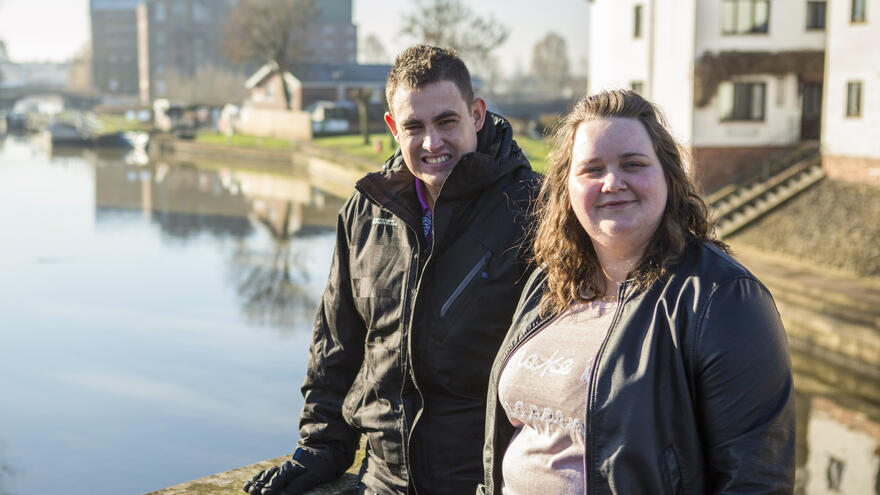
Increasing positive attitudes
Educational approaches
Interventions designed to challenge negative attitudes towards people with a learning disability often involve an element of education which attempts to increase knowledge Knowledge is knowing a lot about something. of learning disability (Scior & Werner, 2015).
Interventions which use educational approaches have shown some promising outcomes (Li et al., 2014; Seewooruttun & Scior, 2014).
Contact-based approaches
Studies which increase contact (direct or indirect) with people with a learning disability show positive effects on attitudes (MacMillan et al., 2014; Seewooruttun & Scior, 2014; Scior & Werner, 2015). These approaches can include training delivered by people with a learning disability, tutoring programmes, experiential tasks, and indirect contact through film presentations delivered online and exposure to images that contradict stereotypes (Seewooruttun & Scior, 2014). However, studies have been limited by small sample sizes.
Studies which include both direct contact and education on learning disability have also shown positive outcomes, particularly with people who have had no prior contact with people with a learning disability (Lawson et al., 2017).
Self-advocacy
Self-
advocacy
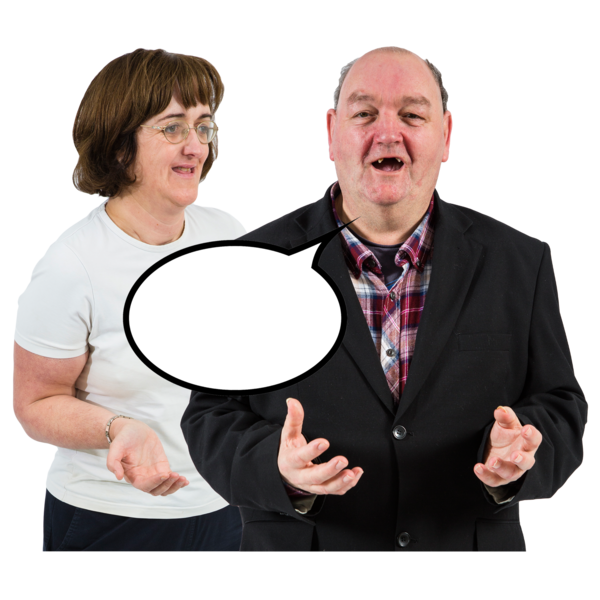 Advocacy is when you get support to have your say.
groups allow members to address stigmatised social identities and provides opportunities to engage with ideas about rights, empowerment and greater
equality
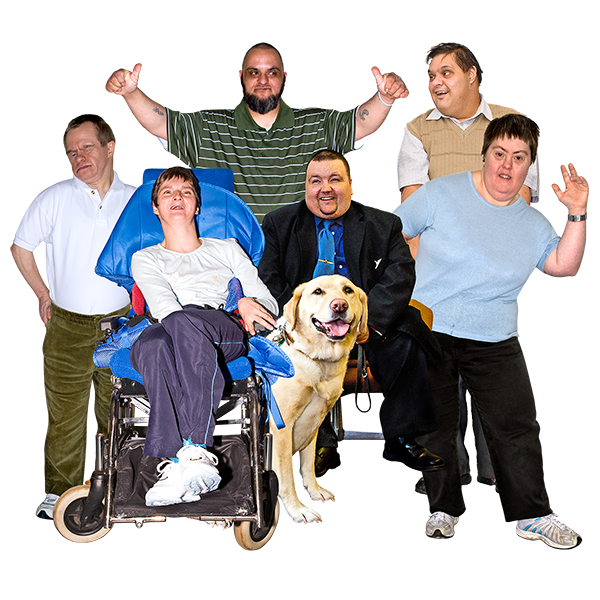 Equality is when everyone is treated fairly.
(Clarke et al., 2015; Anderson & Bigby, 2017; Fenn & Scior, 2019).
Individuals can gain a variety of benefits from self-advocacy groups, including increased confidence, changes in social and self-identity, increased social connections and
relationships
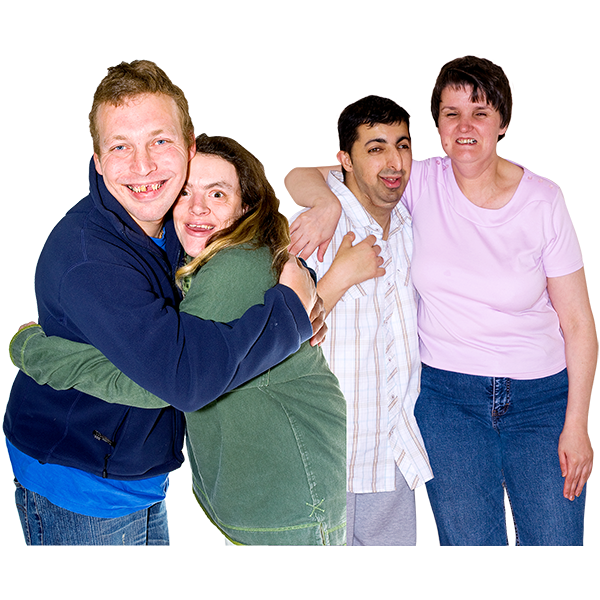 Relationships are about the people in your life. You might have different types of relationships like friendships, family relationships, or a boyfriend or girlfriend.
, mutual support, and increased opportunities for occupation and activities (Clarke et al., 2015; Fenn & Scior, 2019).
Ali, A., Hassiotis, A., Strydom, A., & King, M. (2012). Self stigma in people with intellectual disabilities and courtesy stigma in family carers: A systematic review. Research Research is a way of finding out information which could come from books, or asking people what they think. in developmental disabilities, 33(6), 2122-2140.
Anderson, S., & Bigby, C. (2017). Self‐advocacy as a means to positive identities for people with intellectual disability:‘We just help them, be them really’. Journal of Applied Research in Intellectual Disabilities, 30(1), 109-120.
Clarke, R., Camilleri, K., & Goding, L. (2015). What’s in it for me? The meaning of involvement in a self-advocacy group for six people with intellectual disabilities. Journal of Intellectual Disabilities, 19(3), 230-250.
Dixon, S., Smith, C. & Touchet, A. (2018) The disability perception gap: Policy report. Scope. Available online (accessed 17/05/19).
Fenn, K., & Scior, K. (2019). The psychological and social impact of self‐advocacy group membership on people with intellectual disabilities: A literature review. Journal of Applied Research in Intellectual Disabilities.
IoE London (2014) Research Summary: Are Disabled Children and Young People at Higher Risk of being bullied? Available as a PDF online (accessed 16/08/19).
Lawson, J. E., Cruz, R. A., & Knollman, G. A. (2017). Increasing positive attitudes toward individuals with disabilities through community service A service gives people what they need, like healthcare services that help people when they are ill, and support services that give people support. learning. Research in developmental disabilities, 69, 1-7.
Li, C., Wu, Y., & Ong, Q. (2014). Enhancing attitudes of college students towards people with intellectual disabilities through a coursework intervention. Journal of Developmental and Physical Disabilities, 26(6), 793-803.
MacMillan, M., Tarrant, M., Abraham, C., & Morris, C. (2014). The association between children's contact with people with disabilities and their attitudes towards disability: a systematic review. Developmental Medicine & Child Neurology, 56(6), 529-546.
NHS
The NHS is the National Health Service. The NHS gives free healthcare to everyone in the UK and includes things like your GP (doctors) surgery and hospitals.
Digital (2018) Measures from the Adult
Social Care
 Social care means the services that give care and support to people who need it.
Outcomes Framework: England 2017-18, Final Release. Available online (accessed 29/04/19).
ONS (2019) Labour market overview, UK: May 2019 (Statistical Bulletin). Available online (accessed 15/05/19).
Pelleboer-Gunnink, H. A., van Weeghel, J., & Embregts, P. J. (2019). Public stigmatisation of people with intellectual disabilities: a mixed-method population survey into stereotypes and their relationship with familiarity and discrimination. Disability and rehabilitation, 1-9.
Scior, K., & Werner, S. (2015). Changing attitudes to learning disability. London: Mencap. Available as a PDF online (accessed 16/08/19).
Seewooruttun, L., & Scior, K. (2014). Interventions aimed at increasing knowledge and improving attitudes towards people with intellectual disabilities among lay people. Research in Developmental Disabilities, 35(12), 3482-3495.
United Nations (2006) Convention on the Rights of Persons with Disabilities (CRPD). Geneva: United Nations.
Research references
Here you'll find full referencing for the Mencap research and statistics pages.