
People with a
learning disability
A learning disability is to do with the way someone's brain works. It makes it harder for someone to learn, understand or do things.
are more likely to suffer from problems with their teeth and gums. It is one of the most common health problems that people with a learning disability deal with, particularly for people with
Down syndrome
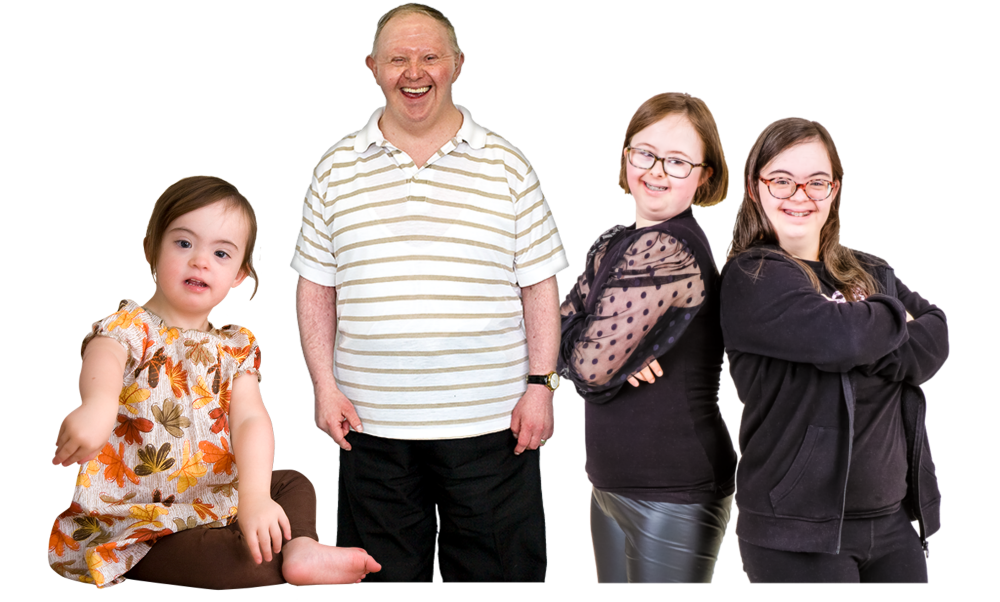 Down syndrome, also known as Down's syndrome, is a type of disability. People with Down syndrome may find it hard to learn new things and may need support. They may have more problems with their health too.
.
It doesn’t have to be this way, though. With the right support and reasonable adjustments in place, people with a learning disability can have healthy teeth for a long time.
Watch the 'Going to the dentist' video
Watch Andrew's visit to the dentist and see what steps he takes to make it a more comfortable experience Experience is when you have learned or tried something before. for himself.
How important is dental health for people with a learning disability?
Dental health isn’t just about having a movie star smile! Poor oral hygiene can cause significant pain and discomfort before any visible damage occurs, which some people with a learning disability may struggle to express. Left unchecked it can also lead to severe problems eating and speaking normally, as well as affecting the person’s self-esteem. This is of course why regular brushing, flossing, and dental check-ups are so important.
However, people with a learning disability are likely to face barriers to good dental hygiene, such as:
Pre-existing health conditions: Some health conditions may affect the teeth directly. For example, people who suffer with dry mouth will be more vulnerable Being vulnerable means being at risk of harm, or that you need special care because of your age or disability. to tooth decay.
Communication issues: People with a learning disability may depend on
support workers
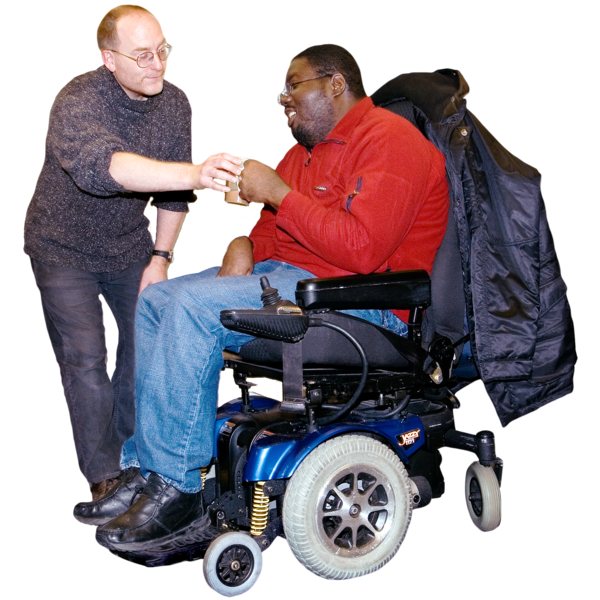 Support workers are people who are paid to give care and support to people who need it.
to help them manage their dental hygiene. They may struggle to communicate if something hurts or is uncomfortable, meaning treatment could come too late or not at all.
Anxiety around visiting the dentist: Many people with a learning disability may have had poor experiences at the dental surgeries in the past, due to sensory issues, a lack of staff training, or a lack of reasonable adjustments. This can lead to avoidance or even a phobia of future dental appointments.
Getting the right support with dental health
People with a learning disability are likely to need some level of extra support keeping their teeth and gums healthy. This might include help with brushing, managing dental appointments, or help managing anxiety around visiting the dentist.
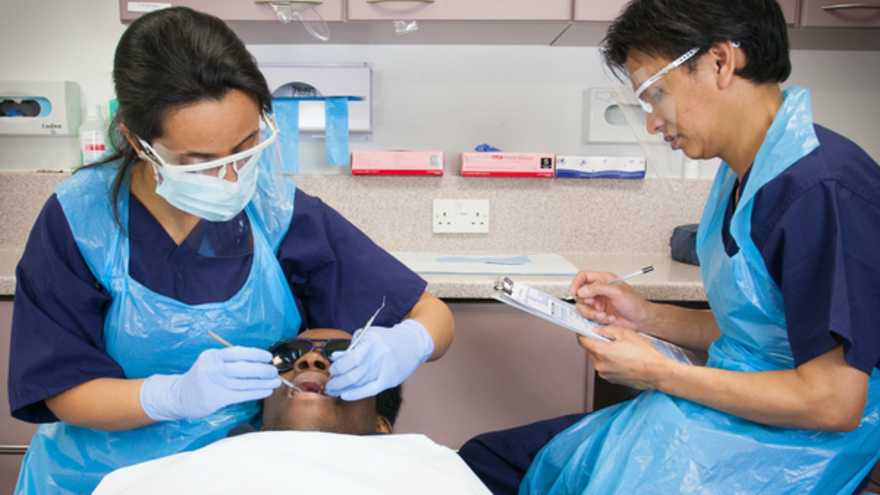
If you are concerned about the oral health of a loved one, enquire with their supporters about their dental care and appointment routine. If you are a support worker, ask your
manager
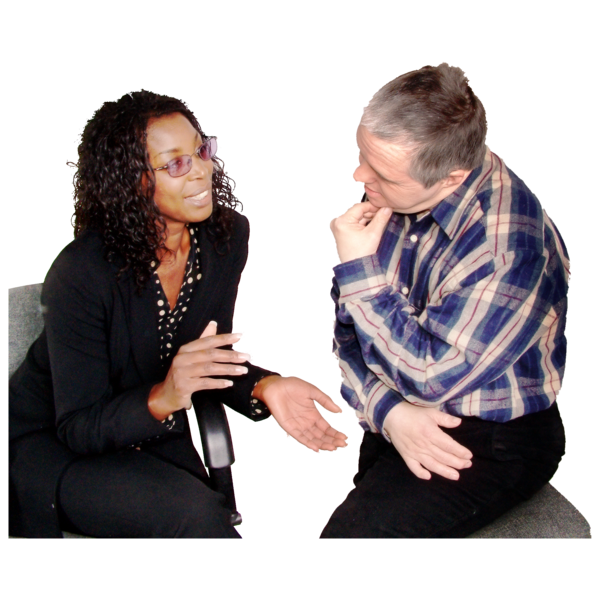 A manager is a boss at work. They tell you what you need to do and give you support if you need it.
about training options available to you.
Accessibility at the dentist: Reasonable adjustments
Dental surgeries have a legal
responsibility
Responsibility is managing or being in charge of something.
to make reasonable adjustments for patients that ask for them. A reasonable adjustment is a request that would make the dental
service
A service gives people what they need, like healthcare services that help people when they are ill, and support services that give people support.
more
accessible
 Accessible means something is easy for people to use or join in with. For example: Accessible writing means the writing is easy to read and understand.
for someone with a disability.
An example of a reasonable adjustment that you might ask for could be:
- A longer appointment, or an appointment during a quieter time of day
- For things to be explained in a slower or clearer way
- To have a ‘practice visit’, where you can visit the dental surgery before the day of your appointment to meet the staff and see the surgery.
- Allowing somebody come into the surgery room with you.
- Asking for information to be given to you in an Easy Read Easy Read is a way of making written information easier to understand. Pictures are usually added next to the writing. format.
- To be seen by the same dentist each time, or to ask for a dentist who you feel comfortable with.
Make sure to call the dental surgery in advance and let them know about your requests, so that they have time to make the adjustments.
Reasonable adjustments are not a courtesy or an inconvenience, they are your legal right under the
Equality
 Equality is when everyone is treated fairly.
Act 2010.
Some people with a learning disability may still be unable to cope with a dental surgery appointment even with reasonable adjustments in place. In this situation, the dentist might recommend considering sedation or general anaesthetic (being made to sleep during the surgery).

The Learning Disability Helpline
Our free helpline service offers advice and support for people with a learning disability, and their families and carers.
People with a learning disability are more likely to suffer from problems with their teeth and gums. It is one of the most common health problems that people with a learning disability deal with, particularly for people with Down syndrome.
It doesn’t have to be this way, though. With the right support and reasonable adjustments in place, people with a learning disability can have healthy teeth for a long time.
If you have a learning disability and are worried about your teeth or gums, first try calling your dentist on the phone. If you do not have a dentist you can use the NHS find a dentist tool.
You can also contact the Mencap helpline for advice, or visit the NHS 111 website. If you urgently need help you can dial 111
If you are concerned about the oral health of a loved one, enquire with their supporters about their dental care and appointment routine.
If you are a support worker, ask your manager about the training options available to you.
You may be entitled to free NHS The NHS is the National Health Service. The NHS gives free healthcare to everyone in the UK and includes things like your GP (doctors) surgery and hospitals. dental treatment if you receive certain Certain means you are sure about something. benefits, such as income Income is all the money you get from things like paid jobs and government benefits. support or Universal Credit. You can use the NHS find a dentist tool to find one near you.
If you need more help, you can always speak to our learning disability helpline for advice.
Call 111 and ask about NHS emergency dentists. You can also use the 111NHS website.