
Looking after your teeth and gums
Looking after your teeth and gums

If you have a learning disability you are more likely to have problems with your teeth and gums than if you do not have a learning disability.

If you have
Down syndrome
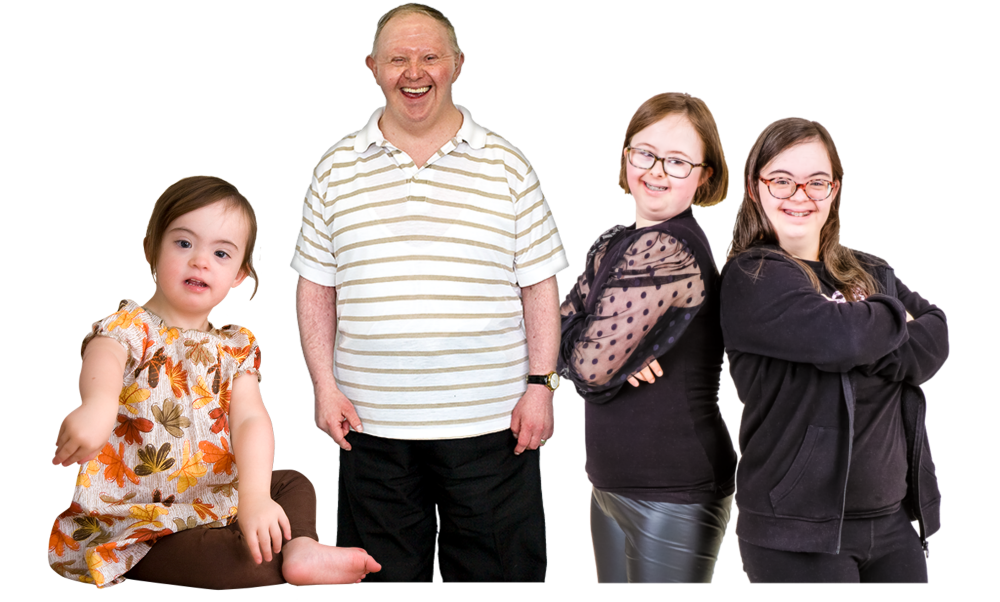 Down syndrome, also known as Down's syndrome, is a type of disability. People with Down syndrome may find it hard to learn new things and may need support. They may have more problems with their health too.
, you are very likely to have problems with your teeth and gums.
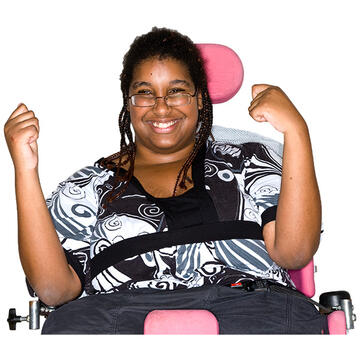
But if you have the right support, you can have healthy teeth and gums for a long time.
Why is it important to have healthy teeth and gums?
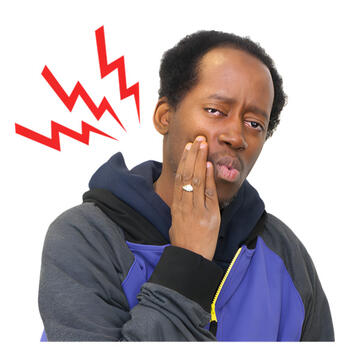
If you do not have healthy teeth and gums, your mouth might hurt.
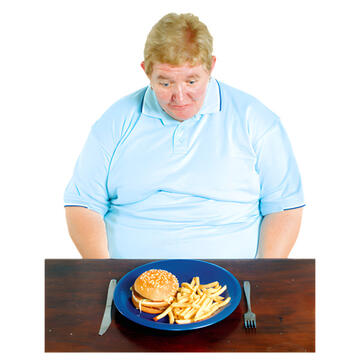
You might have problems eating and speaking.
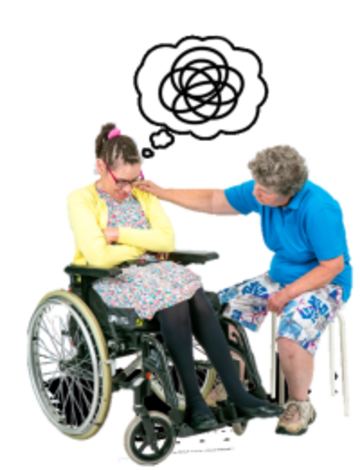
This might make you feel less confident and you might not like yourself so much.
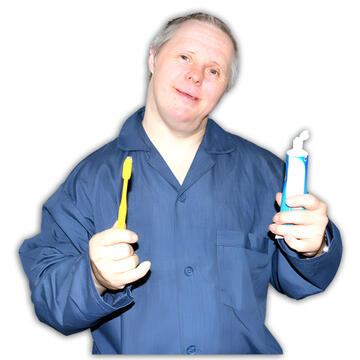
If you brush your teeth well, floss and go to the dentist regularly, it can help you to have healthy teeth and gums.
Why can it be difficult for people with a learning disability to have healthy teeth and gums?
Health conditions
Some health conditions like dry mouth mean that you are more likely to get tooth decay.
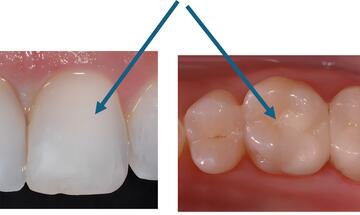
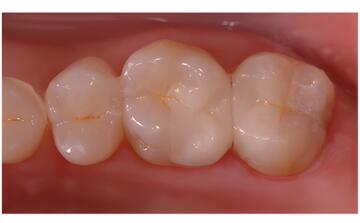
Tooth decay is when germs in your mouth make acids which start to attack the outside of your teeth.

Communication
Some people with a learning disability might find it difficult to let other people know if their teeth or gums hurt.
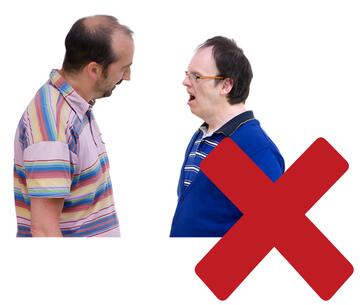
This might mean they do not get the help they need with their teeth and gums, or do not get the help at the right time.
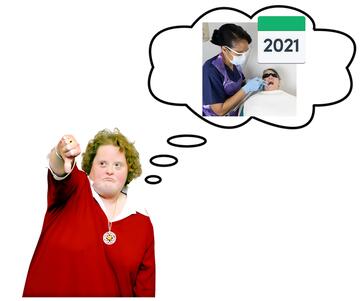
Fear of going to the dentist
Some people with a learning disability might have had a bad time at the dentist in the past.
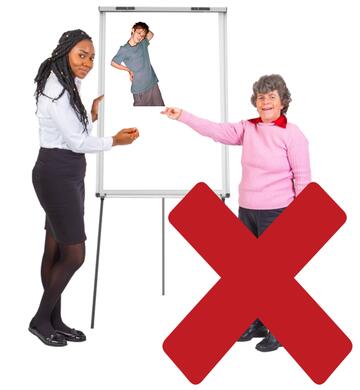
This might have been because:
- the staff did not have training about learning disability
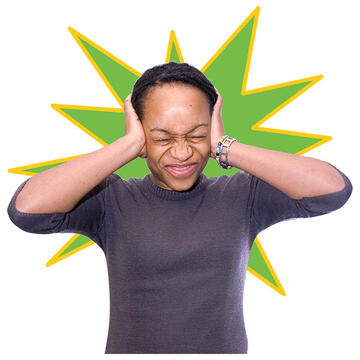
- the dental surgery was too bright or too noisy
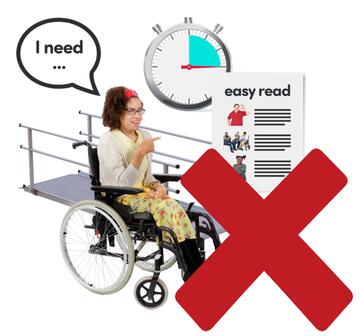
- the dental surgery did not make reasonable adjustments.
A reasonable adjustment is a small change that makes the dental surgery more
accessible
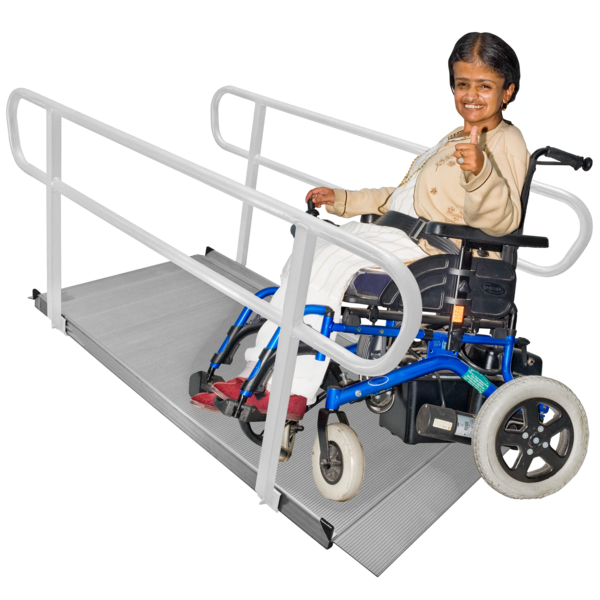 Accessible means something is easy for people to use or join in with. For example: Accessible writing means the writing is easy to read and understand.
for someone with a disability.
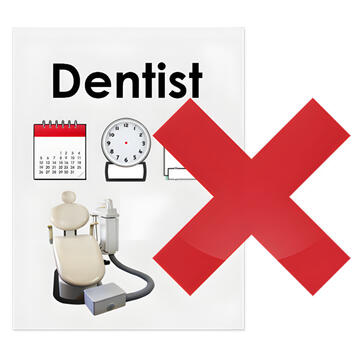
If someone had a bad time when they went to the dentist in the past, they might decide not to go to the dentist again.
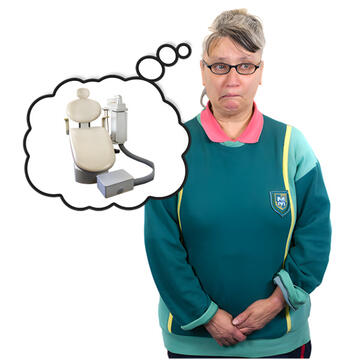
Or they might be very scared of going to the dentist.
A reasonable adjustment can make a visit to the dentist easier and less scary.
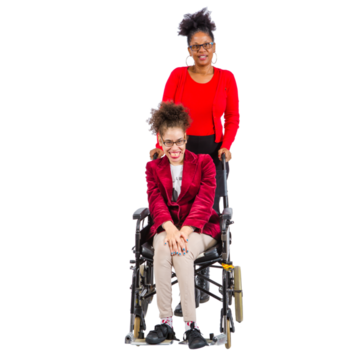
Getting the right support
If you need extra help to look after your teeth and gums, ask your
support worker
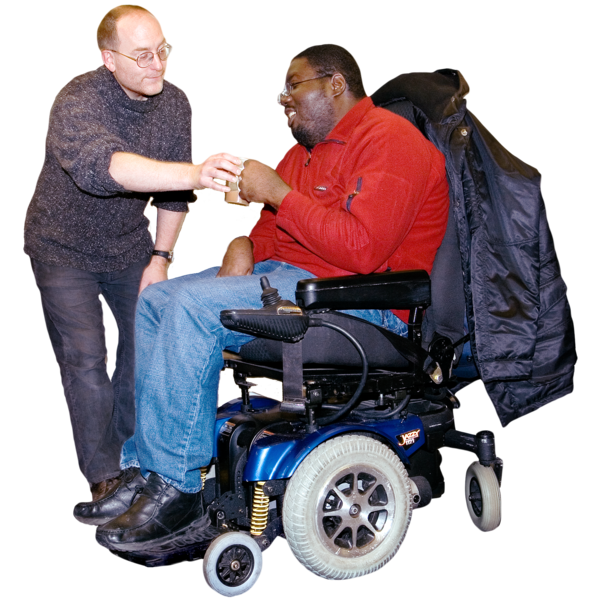 Support workers are people who are paid to give care and support to people who need it.
or someone you trust to help you.

You might need help with:
- brushing your teeth
- making appointments to go to the dentist
- feeling less scared about going to the dentist.
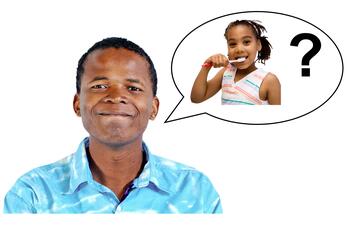
If you are worried about the teeth and gums of someone with a learning disability, ask the people who support them about how they help them to look after their teeth and gums.
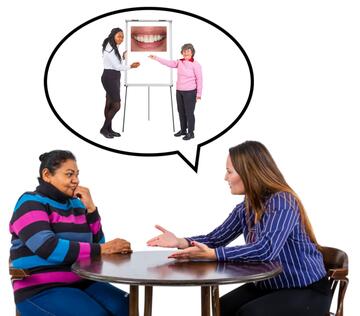
If you are a support worker who helps someone with a learning disability to look after their teeth and gums, ask your
manager
 A manager is a boss at work. They tell you what you need to do and give you support if you need it.
if there is any training you can do.
Reasonable adjustments at the dentist
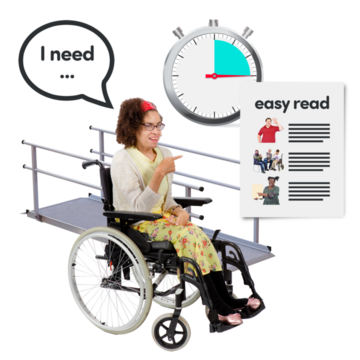
Dental surgeries have to make reasonable adjustments if people with a disability ask for them.
Reasonable adjustments are changes that places have to do by
law
 Laws are the rules that everyone in the country has to follow. If you don't follow the rules you can get in trouble with the police.
to help people with a disability.
Here are some examples of reasonable adjustments you might ask for:
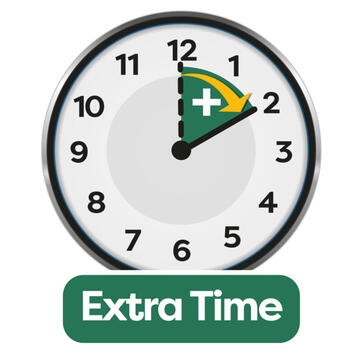
- a longer appointment
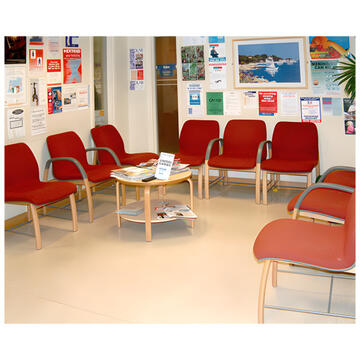
- an appointment when there will not be many people at the dental surgery

- a time when you can visit the dental surgery before your appointment so you can look around and meet the staff
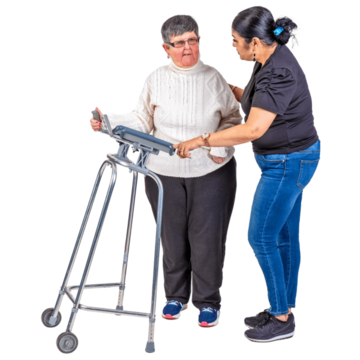
- someone you trust to come to the appointment with you
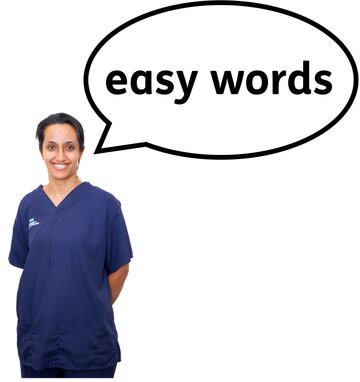
- staff to explain things more slowly or to use words that are easy to understand
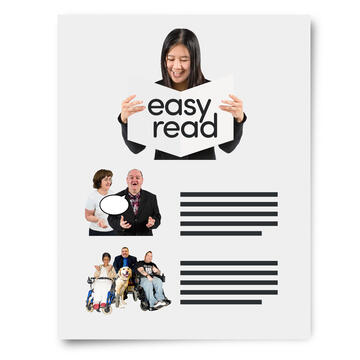
- information in easy read Easy Read is a way of making written information easier to understand. Pictures are usually added next to the writing.

- to be able to see the same dentist each time, or to ask for a dentist who you feel comfortable with.

Make sure you tell the dental surgery before your appointment what reasonable adjustments you would like.
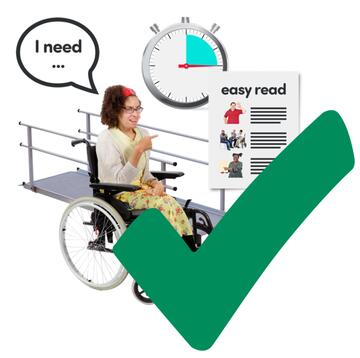
This will give them time to make the reasonable adjustments for you.
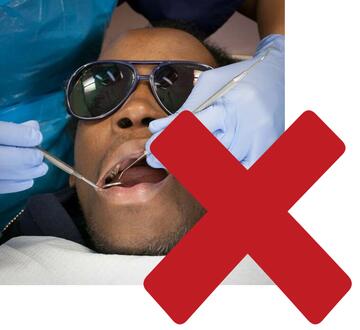
Some people with a learning disability might not be able to go to the dentist even if the dental surgery makes reasonable adjustments.
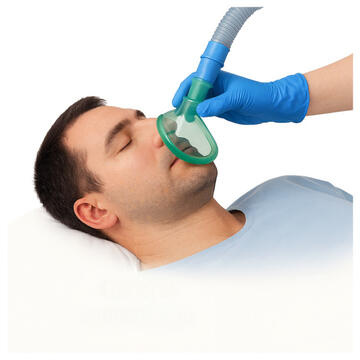
The dentist might say it would be a good idea to think about having medicine which makes you go to sleep so a dentist can work on your teeth and gums.

You can watch this video about Andrew's visit to the dentist and how he makes the visit easier.

Help
If you would like more advice and information about going to the dentist, contact our Learning Disability helpline:
- email [email protected]
- phone 0808 808 1111

First published 17/02/2026
Last updated 17/02/2026