
About the flu vaccine
Research shows that people with a learning disability A learning disability is to do with the way someone's brain works. It makes it harder for someone to learn, understand or do things. are at higher risk of becoming very unwell if they catch the flu.
This means being so unwell that they might have to go to hospital or even die.
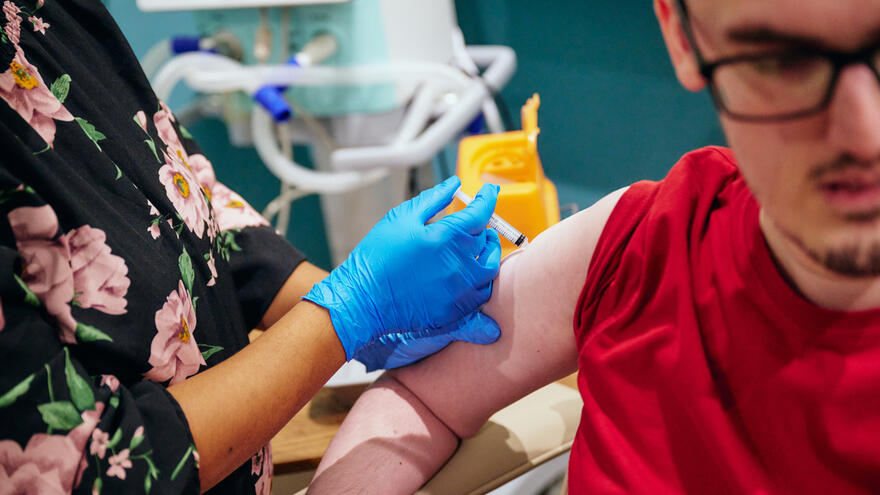
Flu vaccines help stop you getting very unwell if you catch the flu. They can also help stop you giving the flu to other people.
The flu vaccine is usually given as the flu jab, which is an injection, but for some people with very bad fear of needles, they may be able to have it as a nasal (nose) spray.
NHS flu vaccination video
This video explains the importance of the flu vaccination for people with a learning disability and autistic people with certain Certain means you are sure about something. health conditions; why it is important to have it every year, who is eligible for a free vaccine, and where you can get the vaccine. It also explains why providers of the vaccine need to make reasonable adjustments.
The video was made during the pandemic, but we think it is still very helpful.
Who can get a free flu vaccine?
- People with a learning disability aged 6 months and older
- Family carers for disabled people, if the person they support would be left without support if they got sick
- Frontline
social care
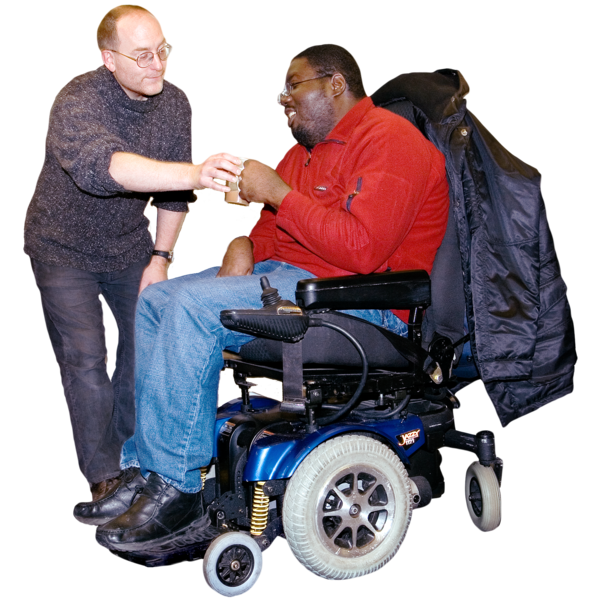 Social care means the services that give care and support to people who need it.
staff who work with people face to face.
Read the latest government guidance for patients, parents and carers.
Other groups who can get the free flu vaccine
- pregnant women
- all children aged 2 and above - up to teenagers in Year 11 of secondary school
- people who are more at risk from getting the flu, including people with a learning disability, aged 6 months+
- people over 65 yrs old
- people living in a residential care setting
- people who live with people with weak immune systems
- people experiencing homelessness
- frontline health and social care workers who work with people face to face.
Resources and Easy Reads about flu and vaccines
An NHS video for parents and carers
This NHS The NHS is the National Health Service. The NHS gives free healthcare to everyone in the UK and includes things like your GP (doctors) surgery and hospitals. video is for parents, families and carers of people with a learning disability.