
Coronavirus booster vaccine
Autumn 2025 COVID-19 vaccinations
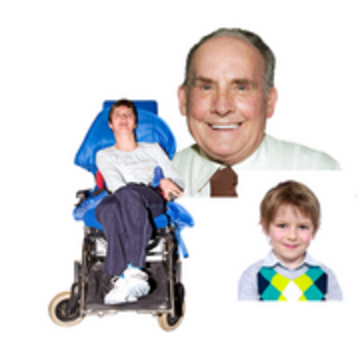
Who can have the 2025 autumn COVID-19 booster from the NHS?
You can have the 2025 autumn booster from the NHS if you are:
- 75 years or over
- living in a care home for older people
- over 6 months old and have a very weak immune system.

Your immune system is how your body fights off infections, like a cold or the flu.
People who have weak immune systems include people who:
- are taking some types of steroids for a long time. Steroids are a type of medication
- have some genetic conditions. Generic conditions are conditions you are born with
- are having treatment like chemotherapy or radiotherapy for cancer.
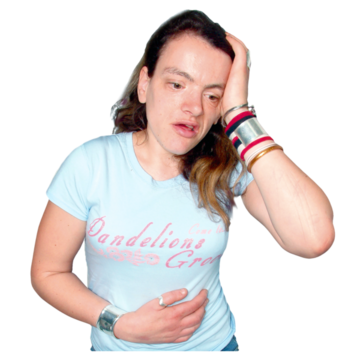
Signs you might have a very weak immune system can include:
- You might get sick a lot from infections
- You might get worse symptoms that other people
- Or it may take you a lot longer to get better.
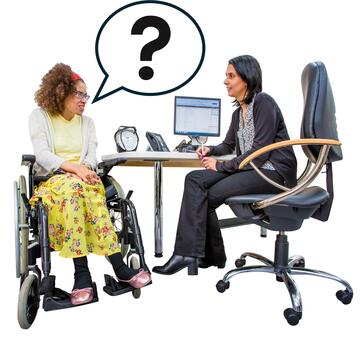
If you think you, or the person you support, has a very weak immune system, and you have not been invited for a COVID-19 vaccine A vaccine is medicine that helps your body to fight an infection in the future. this autumn, speak to your GP and find out if you, or the person you support, can have the COVID-19 vaccine.
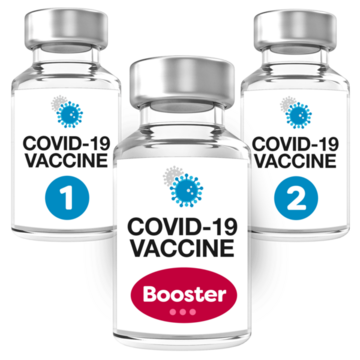
What is the latest COVID vaccine?
The autumn/winter 2025 COVID-19 (Coronavirus) vaccine is also sometimes called the 'autumn booster'.
This vaccine can be given to people who have never had a COVID-19 vaccine before, or people who have had them before as a booster.
A booster jab is an extra dose of a vaccine.

A vaccine is medicine that helps your body to fight an infection in the future.
Some vaccines do not work as well as when they are first injected into your body.
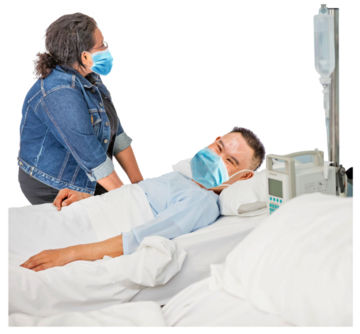
Booster jabs can help top up protection and teach your body how to fight the newer types of the COVID-19 (Coronavirus) virus.
The different types of the virus are sometimes called variants.
Famous variants have included Omicron and Delta.
Why have the Government changed who can have the vaccine?
The Government The Government are the people who run the country. They decide how much tax people should pay for things and how things like the National Health Service should work. think that COVID-19 (Coronavirus) is now a much milder illness for most people.
They have said that people in the UK have built up good protection from COVID-19 (Coronavirus) in their bodies now.
They have said that the vaccine does not work as well at stopping the virus from spreading.
For these reasons they have said that a much smaller group of people need to have the COVID-19 (Coronavirus) vaccine than before.
The Government think that most people with a learning disability A learning disability is to do with the way someone's brain works. It makes it harder for someone to learn, understand or do things. do not need to have the COVID-19 (Coronavirus) vaccine anymore.
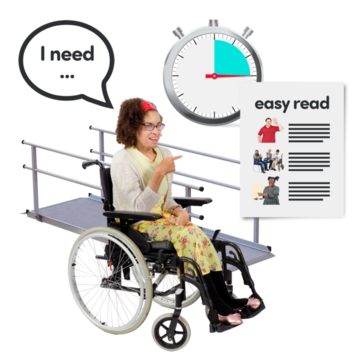
Reasonable adjustments
If you are having a vaccination, we have made an easy read Easy Read is a way of making written information easier to understand. Pictures are usually added next to the writing. about the vaccine reasonable adjustments you could ask for.
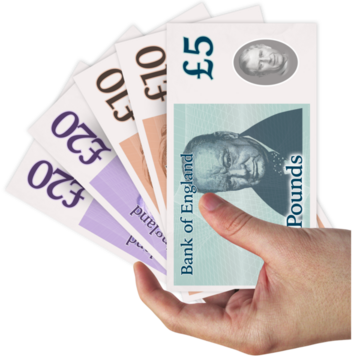
Paying to have a COVID-19 (Coronavirus) vaccine
This year, for the first time, anyone can have the autumn COVID-19 (Coronavirus) vaccine, if they pay for it.
Many pharmacies, including Boots, are offering the vaccine.
The price is between £85 and £100.

For help or more information about the COVID-19 (Coronavirus) vaccine contact the Mencap Learning Disability Helpline by:
- Phone: 0808 808 1111
- Email: [email protected]
- Online form.

Last updated 12.11.2025